



Introduction
A clean workplace is one of the most important factors influencing employee well-being, productivity, and overall business success. Regardless of the industry, maintaining a hygienic and organized work environment creates a positive impression on clients, visitors, and staff members. Modern businesses increasingly recognize that cleanliness is not merely a matter of appearance; it is a critical component of workplace health, operational efficiency, and employee satisfaction. When workspaces are maintained to a high standard, employees feel more comfortable, focused, and motivated throughout the day.
Workplaces experience constant activity, including employee movement, customer interactions, meetings, food consumption, and the handling of shared equipment. These activities contribute to the accumulation of dust, dirt, bacteria, and clutter that can negatively impact both health and productivity if left unmanaged. A comprehensive cleaning strategy helps organizations address these challenges while creating an environment that supports professional excellence and long-term business growth.
As competition continues to increase across industries, businesses must pay attention to every aspect of their operations that influences performance and reputation. Cleanliness remains one of the most visible indicators of professionalism, making it an essential investment rather than an optional expense. Understanding the importance of workplace cleanliness can help organizations make informed decisions that benefit employees, customers, and overall business objectives.
The Importance of Maintaining a Clean Workplace
A clean office environment contributes significantly to the daily experiences of employees and visitors. People spend a substantial portion of their lives at work, making the quality of that environment an important factor in physical health and emotional well-being. When workspaces are clean and organized, employees are generally better able to concentrate on tasks without unnecessary distractions.
Clean workplaces also help reduce the spread of germs and illnesses. Shared surfaces such as desks, keyboards, door handles, conference tables, and breakroom facilities can harbor bacteria and viruses that contribute to workplace sickness. Regular sanitation helps minimize these risks and supports a healthier workforce.
Beyond health considerations, cleanliness plays an important role in creating a positive company image. Visitors often form opinions about an organization within moments of entering its premises. A tidy and well-maintained workspace reflects professionalism, attention to detail, and organizational competence. These impressions can influence customer trust, client relationships, and business opportunities.
Implementing a structured office cleaning program ensures that cleanliness remains consistent and that all areas receive appropriate attention. This proactive approach helps businesses maintain high standards while supporting overall operational effectiveness.
How Clean Workspaces Improve Employee Productivity
Productivity is closely linked to workplace conditions. Employees perform best when they work in environments that are comfortable, organized, and free from unnecessary distractions. Cluttered or dirty surroundings can negatively affect concentration, increase stress levels, and reduce overall efficiency.
A clean workspace promotes mental clarity by eliminating visual distractions and creating a sense of order. Employees can focus more effectively on their responsibilities when desks, meeting rooms, and common areas are well maintained. Organized environments also make it easier to locate important documents, equipment, and supplies, reducing wasted time and frustration.
Air quality is another important factor affecting productivity. Dust accumulation, poor ventilation, and unclean surfaces can contribute to respiratory discomfort and allergies. Regular cleaning helps improve indoor air quality, creating a healthier environment that supports sustained focus and performance throughout the workday.Employee morale often improves in clean environments as well. Workers tend to take greater pride in their workplace when it is properly maintained, leading to increased engagement and job satisfaction. Businesses that prioritize cleanliness demonstrate respect for employee well-being, which can contribute to stronger workplace culture and higher retention rates.
Health Benefits of Professional Cleaning Services
Health considerations are among the most compelling reasons to invest in workplace cleaning. Modern offices contain numerous high-touch surfaces that can serve as transmission points for germs and pathogens. Without proper sanitation, illnesses can spread rapidly among employees, leading to increased absenteeism and reduced productivity.
Professional cleaning practices focus on disinfecting frequently touched surfaces while maintaining overall hygiene throughout the facility. Areas such as restrooms, kitchens, conference rooms, and reception spaces require special attention due to their frequent use. Consistent cleaning reduces the likelihood of contamination and supports healthier working conditions.
Indoor air quality also plays a significant role in employee health. Dust, allergens, and airborne particles can accumulate over time and contribute to respiratory issues. Regular vacuuming, dust removal, and ventilation maintenance help improve air quality and reduce discomfort for employees with allergies or sensitivities.
A well-executed office cleaning strategy can significantly reduce workplace health risks while creating an environment where employees feel safe and supported. Healthier employees are generally more productive, more engaged, and less likely to require time away from work due to illness.
Areas That Require Special Attention
While every part of a workplace benefits from regular cleaning, certain areas require more frequent and thorough attention due to their usage patterns and potential health risks.
Reception areas are often the first spaces visitors encounter. Maintaining cleanliness in these areas helps create positive first impressions and reflects the professionalism of the organization. Floors, seating, counters, and decorative elements should be kept clean and presentable at all times.
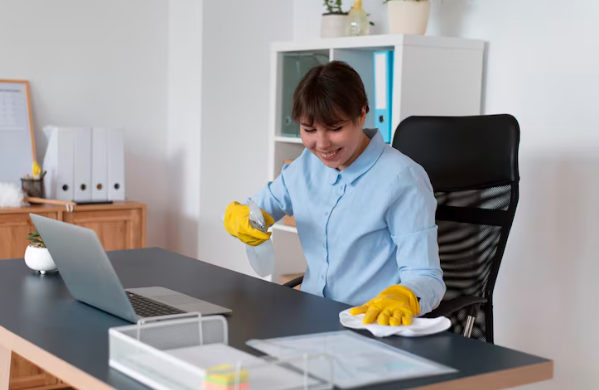
Workstations represent another critical area. Desks, keyboards, monitors, phones, and office equipment accumulate dust and bacteria through daily use. Regular cleaning helps maintain hygiene and extends the lifespan of office equipment.
Breakrooms and kitchens require particularly careful maintenance because food preparation and consumption occur in these spaces. Proper sanitation helps prevent contamination, unpleasant odors, and pest-related issues.
Restrooms demand the highest standards of cleanliness due to health and hygiene considerations. Frequent cleaning and disinfection help maintain sanitary conditions while promoting employee comfort and confidence.Meeting rooms, training spaces, and collaborative work areas should also be maintained regularly to ensure they remain welcoming and functional for employees and visitors alike.
The Role of Cleaning in Workplace Safety
Workplace safety extends beyond accident prevention and includes maintaining clean environments that reduce hazards and support employee well-being. Dirty or cluttered workplaces can create numerous safety risks that negatively affect daily operations.
Accumulated debris, spills, and poorly maintained floors increase the likelihood of slips, trips, and falls. Regular cleaning helps eliminate these hazards and contributes to safer working conditions. Organized storage practices also reduce the risk of accidents caused by misplaced equipment or obstructed pathways.
Electrical equipment can be affected by excessive dust accumulation, potentially leading to overheating or performance issues. Proper cleaning helps protect sensitive equipment and supports safe operation.
Emergency exits and evacuation routes should remain clear and accessible at all times. Consistent maintenance ensures that safety procedures can be carried out effectively if emergencies occur.A comprehensive office cleaning program supports workplace safety objectives by addressing both visible and hidden risks. Clean environments allow employees to focus on their responsibilities without unnecessary concerns about health or safety hazards.
Creating a Positive Impression on Clients and Visitors
Business success often depends on building trust and credibility with clients, partners, and visitors. Workplace appearance plays a significant role in shaping perceptions and influencing business relationships. Clean and organized facilities communicate professionalism, reliability, and attention to detail.
When clients enter a spotless reception area or attend meetings in well-maintained conference rooms, they are more likely to view the organization positively. These impressions can influence purchasing decisions, partnership opportunities, and long-term business relationships.
Conversely, neglected workspaces may create doubts about operational standards and overall professionalism. Even minor cleanliness issues can affect perceptions, particularly when visitors are evaluating potential service providers or business partners.Investing in workplace cleanliness demonstrates commitment to quality and excellence. It signals that the organization values its environment, employees, and customers, contributing to stronger relationships and enhanced reputation.
Sustainable Cleaning Practices in Modern Workplaces
Environmental responsibility has become an increasingly important consideration for businesses across all industries. Many organizations are adopting sustainable cleaning practices that reduce environmental impact while maintaining high standards of hygiene.
Eco-friendly cleaning products help minimize exposure to harsh chemicals and support healthier indoor environments. These products often provide effective cleaning performance while reducing environmental harm.
Waste reduction initiatives also contribute to sustainability goals. Recycling programs, responsible disposal practices, and efficient resource management help organizations reduce their environmental footprint.
Energy-efficient equipment and water conservation measures can further support sustainable workplace maintenance efforts. By integrating environmentally responsible practices into cleaning programs, businesses can align operational objectives with broader sustainability commitments.Employees and customers increasingly appreciate organizations that demonstrate environmental responsibility. Sustainable cleaning practices can therefore support both environmental goals and positive brand perception.
Common Cleaning Challenges and Solutions
Maintaining workplace cleanliness can present various challenges, particularly in busy environments with high levels of activity. Understanding these challenges helps organizations develop effective strategies for overcoming them.
One common issue is inconsistent cleaning schedules. Without structured routines, certain areas may receive inadequate attention while others are cleaned excessively. Establishing clear schedules and responsibilities helps ensure comprehensive coverage.
Employee participation can also influence cleanliness outcomes. Encouraging staff to maintain organized workspaces and follow basic hygiene practices supports overall cleaning efforts and promotes shared responsibility.
Budget constraints may sometimes limit maintenance activities. However, viewing cleanliness as an investment rather than an expense often helps organizations recognize its long-term value. Preventive maintenance and regular cleaning can reduce repair costs and extend the lifespan of workplace assets.Technology and equipment selection also affect cleaning effectiveness. Using appropriate tools and techniques improves efficiency while ensuring high-quality results.
Long-Term Benefits of Consistent Cleaning
The benefits of workplace cleanliness extend far beyond immediate appearance. Consistent maintenance contributes to healthier employees, improved productivity, enhanced safety, stronger client impressions, and better asset preservation. These advantages accumulate over time and support long-term organizational success.
Clean environments often experience lower absenteeism rates because employees are less likely to be exposed to harmful contaminants. Improved morale and workplace satisfaction can contribute to stronger employee retention and reduced recruitment costs.
Furniture, flooring, and equipment generally last longer when properly maintained. Regular cleaning helps prevent premature wear and reduces the need for costly replacements.Businesses that prioritize cleanliness often enjoy stronger reputations and greater customer confidence. These factors can support growth, competitiveness, and long-term profitability.A strategic office cleaning approach delivers value across multiple areas of operation, making it one of the most beneficial investments an organization can make.
Conclusion
Workplace cleanliness is a fundamental component of business success, employee well-being, and professional reputation. A clean and organized environment supports productivity, enhances safety, reduces health risks, and creates positive impressions for everyone who enters the facility. As businesses continue to evolve and adapt to changing expectations, maintaining high standards of cleanliness remains essential.
By implementing comprehensive cleaning practices, organizations can create healthier and more efficient workplaces that support long-term growth and operational excellence. From improving employee morale to strengthening customer confidence, the benefits of cleanliness extend throughout every aspect of business performance. Investing in professional maintenance and consistent hygiene practices is not simply about appearance—it is about creating an environment where people and businesses can thrive.