



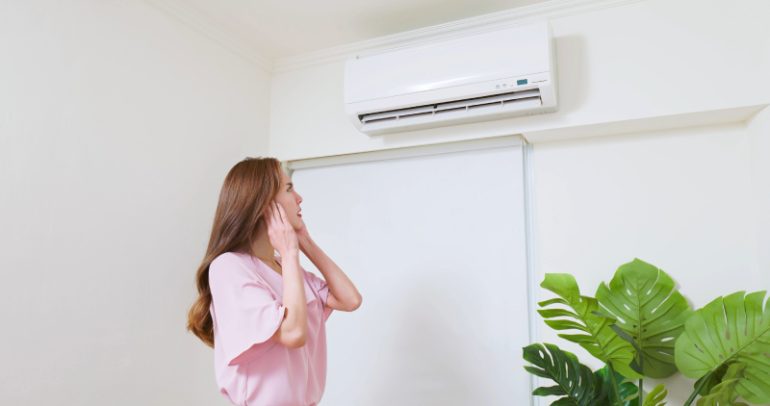
An air conditioning system is engineered to operate as a smooth, relatively quiet mechanical network, producing a consistent, gentle hum of air moving through your home’s ventilation vents. Over years of daily operation under intense subtropical heat loads, individual mechanical components inevitably experience normal wear, alignment shifts, or structural loosening. When an AC system begins to develop unusual sounds such as loud rattling, high-pitched squealing, or persistent clicking it is often an early warning sign of a mechanical issue. Ignoring these auditory changes can lead to severe component damage, expensive repairs, and sudden system shutdowns.
To identify potential mechanical faults early and prevent permanent equipment wear, tracking changing system noises is an essential habit. Homeowners can learn about ac making noise to understand what specific sounds indicate about their system’s internal health, ranging from loose fan blades to failing motor bearings. Gaining this diagnostic understanding allows you to call for professional service before a minor vibration turns into a major breakdown, completely protecting your home’s comfort and saving you money on emergency repairs.
Optimizing your system’s operational lifespan requires a calculated, proactive approach to maintenance. By replacing loose components early, you protect your compressor investment and ensure a quiet, efficient home environment.
Translating Common Air Conditioner Sounds into Actionable Fixes
Different mechanical issues produce distinct noise signatures that help certified technicians pinpoint internal system faults accurately.
High-Pitched Squealing or Screeching Sounds
A loud, high-pitched screeching sound coming from either the indoor air handler or the outdoor condenser typically suggests a serious issue within the belt-drive or fan motor bearings. In older systems, it often indicates a worn, slipping blower belt that needs immediate replacement; in modern direct-drive setups, it points to failing internal bearings inside the fan motor. Shut down the system immediately when this sound occurs to prevent the motor from seizing completely.
Intense Metal-on-Metal Clanging or Banging Noises
If your cooling system produces a harsh clanging or banging sound while running, it usually indicates a loose or broken component striking other parts inside the housing. This can be caused by a loose blower fan wheel hitting its metal casing, or an unbalance in the outdoor condenser fan blades due to storm debris. This direct metal contact can quickly destroy surrounding components, requiring an immediate operational shutdown.
Persistent Clicking Sounds Prior to System Starts
While a single click is normal when a thermostat signals the system to start a cooling cycle, continuous clicking from the outdoor unit indicates an electrical fault. This sound typically points to a failing dual run capacitor or a pitted contactor trying to engage but failing to send current to the compressor. Replacing these small electrical components early prevents major damage to the main compressor motor.
Key Benefits of Early Noise Diagnostic Assessments
Addressing unusual system sounds promptly delivers clear operational and financial rewards that protect your home investments.
- Prevents Secondary Equipment Damage: Fixing loose fan blades or replacing bad bearings early stops damage from spreading to high-value components like the compressor.
- Preserves Energy Efficiency Levels: Systems running with loose or unaligned parts experience extra mechanical resistance, drawing extra power and inflating utility bills.
- Extends General Equipment Lifespan: Resolving minor mechanical vibrations early lowers systemic wear, ensuring your system reaches its full functional lifespan.
Frequently Asked Questions
Why does my AC emit a loud buzzing sound when the compressor activates?
Loud buzzing sounds typically suggest a failing relay switch, loose wiring connections, or a compressor motor experiencing electrical resistance during start-ups.
Can a dirty air filter cause my cooling system to make a whistling noise?
Yes, a severely clogged or restricted filter limits airflow, forcing the system to pull air through tiny gaps and creating a high-pitched whistling sound.
What causes a continuous bubbling or hissing sound inside the AC lines?
Hissing or bubbling sounds are primary indicators of a refrigerant leak, suggesting that pressurized gas or liquid is escaping through a puncture in the copper coils.
Is a brief thumping sound normal when my air handler turns off?
A light thump can occur as the sheet metal vents flex from changing air pressure, but loud thumping suggests an unbalanced blower wheel assembly that needs adjustment.
How do HVAC technicians fix a noisy, vibrating indoor air handler unit?
Technicians tighten loose casing screws, balance the internal blower wheel, and install specialized rubber isolation pads to absorb mechanical vibrations cleanly.
Conclusion
Decoding unusual air conditioner sounds early is a vital strategy to prevent catastrophic mechanical failures and preserve your home’s indoor comfort. Trying to run a noisy cooling system without addressing the underlying mechanical issues can lead to expensive component damage and unexpected system shutdowns during peak summer heat waves.
Trusting an experienced local HVAC specialist allows you to secure accurate electrical audits, precise component balancing, and factory-fresh parts safely. Ultimately, a proactive commitment to noise diagnostics protects your mechanical capital, ensuring a quiet, highly efficient, and long-lasting cooling network for your home.