



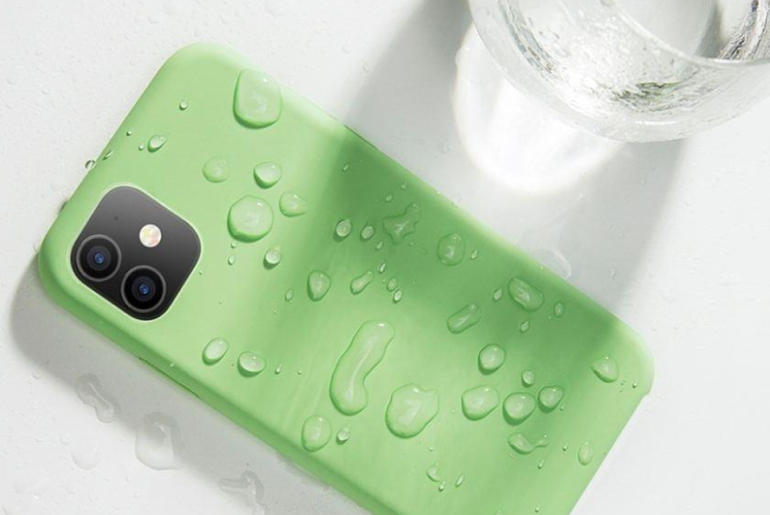
The phone case we hold in our hands every day may look small and simple, but it actually hides a delicate and complex manufacturing process. From the creative sketches drawn by designers, to the roaring machines in the factory, and finally to the finished product that reaches our hands, every step is critical. Whether it is a common plastic or silicone case, or the popular fashionable resin case, the path to its creation follows similar steps, each type has its own unique process highlights. Let’s see the whole process behind phone case manufacturing and learn how this everyday accessory is created from nothing to something.
Design and Prototyping
The birth of any phone case begins with design and prototype development. This is the foundation that determines its appearance and practicality. Phone case suppliers work closely with designers and manufacturers to ensure the case fits the precise dimensions of different phone models, with proper cutouts for the camera, buttons, and charging port, while also balancing aesthetics and protection needs to create a design that is both creative and functional.
Nowadays, designers no longer rely on simple hand drawings. Instead, they use 3D modeling software and computer-aided design (CAD) software to precisely outline every detail of the phone case. These professional tools can create detailed models that not only show the appearance but also simulate how well the case fits the phone and its protective performance. Once the design is finalized, a prototype sample is quickly produced. For regular phone cases, 3D printing technology is often used to make the initial model. For resin phone cases, a simple mold is created and a small amount of resin is poured to form the prototype.
After the prototype is made, a series of tests is carried out, such as checking the fit with the phone, the sensitivity of the buttons, and the smoothness of the edges. If any dimensional deviations or design issues are found, the design is adjusted promptly. Only when the prototype meets expectations will the process move to the next stage for mass production.
Choosing the Material According to Needs
After the design and prototype are confirmed, the next step is selecting the proper material. The material of a phone case determines its feel, protective performance, and appearance. Phone case manufacturers choose a suitable material based on the positioning, type, and required protection level of the phone case.
The common materials for phone cases on the market are
- Polycarbonate (PC) has high hardness and strong impact resistance, making it suitable for transparent hard cases.
- Silicone is soft and elastic, offering good drop protection and a fine feel.
- TPU (Thermoplastic Polyurethane) combines the softness of silicone with the hardness of PC, and is wear-resistant and resistant to yellowing.
- Leather and metal are mostly used for high-end phone cases, which offer excellent texture but at a higher cost.
In recent years, resin phone cases have become popular. The common resins are epoxy resin and polyurethane resin. Among them, epoxy resin is a popular choice for making phone cases because of its high strength and good durability. The biggest advantage of resin is its strong plasticity. It can be easily colored and decorated to create unique textures and patterns, which is why it is loved by users who seek personalization. In addition to the main material, auxiliary materials are also used during manufacturing, such as pigments and glitter for resin phone cases, or adhesives and release agents for regular phone cases.
Turning Materials into Phone Cases
Once the material is ready, the most important forming stage begins. Different materials use different processes. The common method is injection molding, while resin phone cases use a vacuum casting process.
For phone cases made of PC, silicone, or TPU, injection molding is the common method. First, the custom-made mold is cleaned and pretreated, impurities are removed, and a release agent is applied to prevent the material from sticking. Then, the molten material (plastic or silicone) is injected into the mold under high pressure, filling every cavity of the mold and precisely matching the designed shape of the phone case. After the material cools and solidifies naturally, the mold is opened, and the preliminary phone case blank is removed. This process is efficient and suitable for mass production. It is a mature method used for most phone cases on the market.
The forming of resin phone cases is more delicate and uses a casting process. The designed pattern is transferred to the mold using transfer technology. A release agent is then applied, and the mold is secured to prevent shifting during casting. The second step is mixing the resin, liquid resin, curing agent, and required pigments, glitter, or other additives thoroughly in the right proportion to ensure even color and no bubbles. Then, the mixed resin is slowly poured into the mold with careful operation to avoid bubbles that could affect the quality and appearance. The final step is curing, the mold is left to stand, and the curing time varies from a few hours to 48 hours, depending on the type of resin, until the resin is completely solidified.
Machining and Finishing
Whether it is an injection-molded phone case or a cast-resin phone case, when it is first removed from the mold, it is not yet a finished product. There may be burrs, excess material, unsmooth edges, or even small defects. These need to be removed through CNC machining and finishing processes.
Workers use professional cutting tools to remove excess material and burrs from the phone case around the button and camera holes, which require careful trimming to ensure they do not affect normal phone use. For resin phone cases, sand blasting and polishing are also performed to get a smoother surface finish. In addition, according to design requirements, textures, matte effects, or embedded metal decorations may be added at this stage to make the phone case more distinctive.
Printing and Customization
With the rise of personalization demands, many phone cases go through printing and customization steps to turn ordinary cases into unique ones. This stage uses specialized equipment and techniques to print patterns, logos, text, and other designs onto the surface of the phone case. Different materials and designs require different printing methods.
There are three common printing methods:
- UV printing is suitable for many materials, offering fast speed, bright colors, and patterns that do not easily come off.
- Sublimation printing is suitable for light-colored and polyester materials, achieving seamless printing with fine and textured patterns.
- Heat transfer printing is suitable for silicone and TPU materials and can handle complex pattern designs.
For resin phone cases, customization is even more flexible. In addition to printing, pigments and glitter can be added directly when mixing the resin, or even dried flowers and sequins can be embedded to create exclusive and unique styles.
Quality Control and Packaging
This is the final step in phone case manufacturing and the key to ensuring product quality. After each phone case is produced, it enters a strict quality control process and undergoes a comprehensive inspection.
The quality inspection includes checking whether the dimensions are accurate and whether the case fits the corresponding phone model perfectly; checking the surface for scratches, bubbles, color differences, or other defects, testing protective performance, such as drop resistance and wear resistance. For resin phone cases, it is also necessary to check whether curing is complete and whether the texture is even. Any phone case that does not meet quality standards will be removed, ensuring that every product that enters the market meets the requirements.
Once the quality is approved, the packaging stage begins. Packaging is not only for protecting the phone case but also an important part of product presentation. Manufacturers usually use custom paper boxes, protective sleeves, or liners. These can prevent damage during transportation, display the appearance of the phone case, and include product information, material, and compatible phone models. For some high-end phone cases, exquisite packaging is designed to enhance the premium feel, turning the phone case from a simple accessory into a small object that combines practicality and visual appeal.
From design concept to final packaging, the creation of a phone case goes through at least six or seven major steps. Whether it is a mass-produced ordinary phone case or a resin phone case with a strong handmade feel, every detail reflects rigorous craftsmanship and clever thinking. When we hold the phone case in our hands and feel its texture and appearance, we might also think about the hidden manufacturing story behind it. It is these careful details that make this small accessory the most intimate protector and decorator for our phones.