



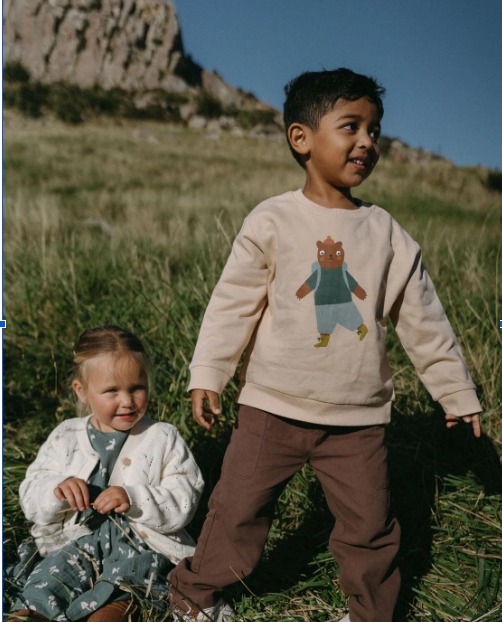
Raising twins, triplets, or other multiples comes with plenty of memorable moments, along with some practical wardrobe challenges. Parents need to manage enough clothing for several children while considering different sizes, growth rates, personal preferences, seasonal changes, and the constant cycle of laundry.
The good news is that dressing multiples does not mean buying two or three completely identical wardrobes. With thoughtful planning, versatile clothing, and a simple organisation system, parents can create wardrobes that are practical, manageable, and flexible while still giving every child room to develop their own sense of style.
The key is to focus on what each child actually needs rather than automatically multiplying every purchase. A well-planned wardrobe can make busy mornings easier, reduce unnecessary spending, and give children comfortable options for everyday activities.
Build Each Wardrobe Around Everyday Essentials
The best place to start is with the clothing children wear most often. Everyday basics such as comfortable tops, bottoms, pajamas, socks, underwear, and weather-appropriate layers should form the foundation of each child’s wardrobe.
Rather than buying large quantities of every style, choose versatile pieces that can be mixed and matched. A small collection of tops that works with several pairs of bottoms can create more outfit combinations than a wardrobe filled with items designed to be worn only one way.
Think about the family’s actual routine. Children who attend school, play outdoors regularly, participate in sports, or need specific clothing for particular activities may have different wardrobe requirements. Building around those real needs can prevent closets from filling with clothes that rarely get worn.
Keeping enough everyday essentials in rotation is also important. Multiples can create a large amount of laundry, so having a sensible number of frequently worn basics helps avoid the feeling that every available garment is in the washing machine at the same time.
Matching, Coordinating, or Individual Styles?
Matching outfits can be a fun part of raising twins or triplets. Coordinated clothing can look particularly appealing for family photographs, celebrations, holidays, or other special occasions. However, as children grow, their preferences may become increasingly different.
One child might enjoy bright colours while another prefers neutral tones. One may like patterns, while another chooses simple designs. These differences are a natural part of individual development and do not need to be ignored simply because children are twins or triplets.
There is also no need to choose between matching everything and never coordinating at all. Siblings can wear the same style in different colours, choose similar tones, or combine pieces with a shared overall look.
When you choose Yes Mila children’s clothing, you can look for versatile styles that make coordinating outfits easier while still allowing each child to express individual preferences.
For example, one child might wear a cream top with blue trousers, another a blue top with neutral trousers, and another a patterned piece that incorporates both colours. The outfits can look connected without requiring every child to wear exactly the same thing.
Give Each Child Their Own Wardrobe Space
Sharing a home does not mean every item of clothing needs to be stored together. Giving each child their own drawer, shelf, basket, or section of the wardrobe can make organisation much easier.
Even when twins or triplets are similar in size, a clear storage system helps everyone identify their own belongings. Labelled drawers, separate shelves, or simple visual markers can reduce confusion during busy mornings.
As children get older, having their own designated space can also encourage independence. They can learn where their clothing belongs, help put away clean laundry, and participate in choosing what to wear.
A shared wardrobe can still work for some families, particularly when children are young. The important thing is to establish a system that the household can maintain consistently. A complicated organisation method is not useful if nobody can realistically keep up with it.
The American Academy of Pediatrics offers guidance on supporting children’s development and independence through age-appropriate routines, which can be useful when involving children in everyday responsibilities.
Allow Individual Preferences
Twins and triplets may share many experiences, but they are still individuals. Clothing is one simple area where children can begin expressing their personal preferences.
As children grow, let them participate in age-appropriate decisions about what they wear. This does not mean giving unlimited choices. Offering two or three suitable options is often enough.
One child might choose a striped shirt while another prefers solid colours. One may like softer, looser clothing, while another prefers a different style. Paying attention to these preferences can help make getting dressed easier and reduce unnecessary disagreements.
Over time, parents often notice consistent differences between children who once wore almost identical outfits. Allowing room for those differences shows that individuality is valued alongside the special connection of being a multiple.
Plan for Different Growth Rates and Sizes
Multiples do not always grow at the same rate. Even children born on the same day can have different heights, body shapes, shoe sizes, and clothing requirements.
Avoid assuming that one child’s size automatically applies to the others. Keeping a simple record of each child’s current clothing and shoe sizes can make shopping more efficient, especially when purchasing online or preparing for a new season.
A little room for growth can be practical, but clothing should still fit comfortably enough for children to move, play, and participate in everyday activities. Extremely oversized garments can be uncomfortable and may be less useful than properly fitted clothes.
Checking what each child already has before shopping can also prevent mistakes. One child may need new trousers while another has several pairs that still fit. Reviewing individual wardrobes before placing an order helps parents buy according to actual needs.
Choose Versatile Pieces That Last Through Regular Wear
Buying clothing for several children can become expensive, so versatility matters. Pieces that work with multiple outfits and remain useful through regular everyday wear can provide better value than items designed for only one occasion.
For cooler weather, quality layering pieces that work for multiples are especially useful, since sweaters and other layers can be combined with different outfits throughout the season rather than requiring a dedicated piece for each child’s specific look.
For multiples, it can be particularly helpful to choose clothing that works across different parts of the family’s routine. A layer suitable for school, outings, and everyday play may be more useful than buying separate clothing for every situation.
The focus should be on selecting pieces that suit the child wearing them, fit comfortably, and continue to meet their needs through regular use.
Create a Manageable Laundry System
Laundry can quickly become one of the biggest wardrobe challenges in a household with twins or triplets. Establishing a simple, consistent system can save time and reduce confusion.
Some families sort clothing by child, while others prefer to sort by garment type. Either approach can work. The most important thing is choosing a method that fits the household’s routine.
For example, separate laundry baskets can make it easier to return clothing to the right child’s storage area. Alternatively, one central laundry system may work better if clothes are sorted while folding.
Keeping enough everyday clothing available is also important. Parents should not need to wash clothes every day simply because each child has only one or two suitable outfits left.
Easy-care fabrics and garments with straightforward washing instructions can make a significant difference when the household is doing frequent loads of laundry. Choosing clothing that fits naturally into the family’s existing laundry routine can reduce the time required to maintain each wardrobe.
Plan Seasonal Shopping Together
Seasonal changes can become expensive when purchases are multiplied across several children. Before shopping for a new season, take time to check what each child already owns.
Separate clothing into items that still fit, items that are no longer suitable for the coming season, and pieces that need to be replaced. This creates a clearer picture of genuine gaps in each wardrobe.
Make a list of what is actually needed before shopping. For example, one child may need a warm jacket, another may need new shoes, and another may only require a few additional everyday tops.
Prioritising essentials first can help families manage their budget. Additional items can be added gradually rather than purchasing an entire new wardrobe for every child at once.
Shopping with a list also reduces duplicate purchases and makes it easier to focus on useful, versatile clothing.
Consider Comfort Alongside Appearance
Coordinated outfits may look appealing, but comfort should remain a priority. Children are more likely to wear clothing willingly when it fits well and feels suitable for their everyday activities.
Pay attention to fabric, fit, waistbands, seams, tags, and layers. If one child consistently dislikes a particular feature, forcing the same style on all siblings may create unnecessary frustration.
Multiples do not need identical comfort preferences. A style that works perfectly for one child may not suit another.
Allowing small differences in clothing choices can make mornings easier while respecting each child’s individual needs.
Make Special Occasions Feel Individual
Special occasions are often when parents most enjoy dressing multiples in matching or coordinated outfits. Birthdays, holidays, family photographs, and celebrations can all be opportunities to create a connected look.
However, children can still feel individually recognised within a coordinated approach. One child might choose a favourite colour, another a preferred pattern, or each child might select a small detail that reflects their personality.
Twins and triplets may share a birthday, but each child has their own interests and preferences. Allowing them to make a small personal choice can help a shared celebration feel meaningful to everyone.
There is no single correct approach. Some children may genuinely enjoy matching outfits, while others may strongly prefer different styles. Listening to what works for the children is more important than following a particular tradition.
Involve Children in Wardrobe Organisation
As children become old enough, involving them in simple wardrobe routines can help them develop independence.
They might put clean clothes into drawers, place dirty items in a laundry basket, choose tomorrow’s outfit, or help identify clothing that no longer fits.
These responsibilities do not need to be complicated. Even small routines can help children become familiar with their belongings and understand how to care for them.
For families with multiples, predictable routines can be especially useful. When each child knows where their clothes belong and what they are expected to do, parents may spend less time resolving confusion over missing socks, misplaced tops, or mixed-up outfits.
The Child Mind Institute discusses the value of routines and age-appropriate responsibilities for children and provides useful ideas for gradually involving children in everyday household tasks.
Avoid Buying Three of Everything
One of the easiest mistakes when shopping for multiples is assuming every purchase must be multiplied by two or three.
In reality, each child’s needs may be different. Their sizes, preferences, activities, and existing wardrobes should guide purchasing decisions.
Before buying another item, ask whether each child genuinely needs it. If the answer is yes, purchase accordingly. If not, there may be no reason to create identical wardrobes simply for the sake of uniformity.
A thoughtful wardrobe is based on usefulness rather than numbers. Fewer well-chosen pieces can often be easier to organise and manage than a large collection of clothing that is rarely worn.
The Bottom Line
Dressing twins, triplets, and other multiples does not have to mean buying two or three of everything or dressing every child identically.
The most practical approach combines organisation with flexibility. Build each wardrobe around everyday essentials, choose versatile pieces, track individual sizes, plan seasonal shopping carefully, and create a manageable laundry system.
Matching and coordinating can be enjoyable, especially for special occasions, but individual preferences deserve equal attention. Giving each child choices and their own space for personal style can make clothing a positive part of everyday life.
With thoughtful planning, parents can create wardrobes that make busy family routines easier while helping every child feel comfortable, confident, and recognised as an individual.