



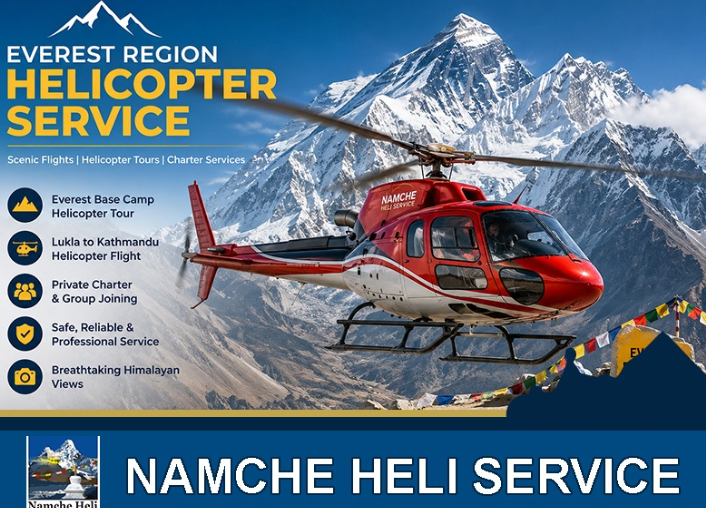
Reaching Everest Base Camp is one thing. Walking all the way back down through the Khumbu, day after day, on legs that are already tired, is a different story. That’s why so many trekkers now look at an Everest Base Camp Trek with Helicopter Return instead of the classic there-and-back itinerary. You still get the full walk-in experience — suspension bridges, Sherpa villages, the slow climb into thinner air — but once you’ve stood at Base Camp, or climbed Kala Patthar for that last view of Everest’s summit, a helicopter gets you back to Lukla or Kathmandu in a fraction of the time walking would take. The rough shape of the route: Kathmandu to Lukla, then Phakding, Namche Bazaar, Tengboche, Dingboche, Lobuche, Everest Base Camp — and the sky instead of the trail for the way down. It’s a good option, but not a simple one. Altitude, weather, helicopter limitations and luggage rules all play a part, and it helps to understand them before booking.
What Is the Everest Base Camp Trek with Helicopter Return?
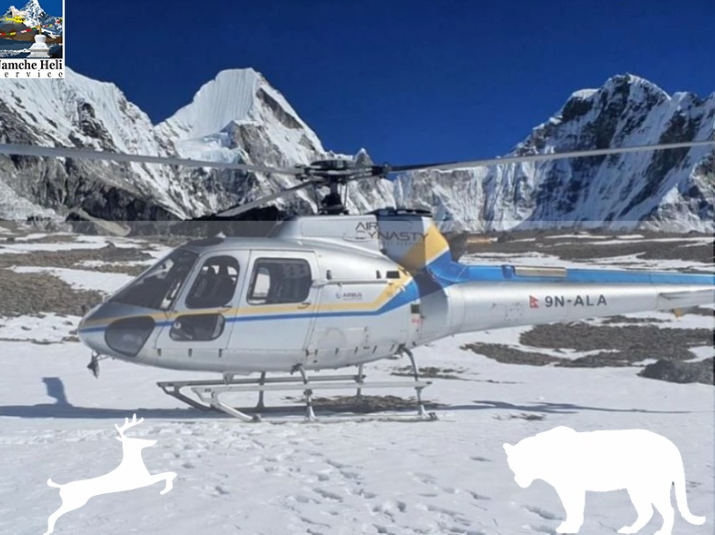
In plain terms, it’s a standard EBC trek — walking days, teahouses, acclimatization stops — with the long walk back cut out and replaced by a helicopter flight. You’re not skipping the mountain, just the second half of the walking.
How the trip works
You fly into Lukla like any other EBC trekker and start heading up the valley on foot. There’s no shortcut here; you still need the days around Namche and Dingboche to let your body adjust to the altitude, because that part of the trek isn’t optional, no matter how you plan to come down. Once you reach Everest Base Camp — and Kala Patthar too, if your itinerary includes it — a helicopter meets you somewhere in the region and flies you out, usually toward Lukla or sometimes straight to Kathmandu, depending on the operator, the aircraft, and what the weather is doing that morning. It’s worth being clear this isn’t a scenic helicopter ride over the mountains — it’s transport built around a trek you’ve already finished on foot.
Who is this trek best for?
This setup suits people who don’t have three-and-a-half weeks free but still want the real trekking experience going up, and anyone who’d rather skip the downhill grind — sore knees, repetitive terrain, the same villages passed in reverse. That said, you still need to be fit enough for several consecutive days of high-altitude walking. If avoiding the trekking altogether is really the goal, an Everest Base Camp helicopter tour — a much shorter aerial trip with little or no walking — is the more relevant product.
Everest Base Camp Trek with Helicopter Return Route
Kathmandu to Lukla
Almost every EBC trip starts with the short, often bumpy flight from Kathmandu to Lukla’s Tenzing-Hillary Airport. It’s spectacular on a clear morning, but mountain weather doesn’t care about your schedule, and delays aren’t unusual outside the calmer months. Build slack into your Kathmandu days rather than booking flights out the same evening you’re due back.
Lukla to Namche Bazaar
From Lukla, the trail runs through Phakding and Monjo before climbing steeply into Namche Bazaar, the unofficial capital of the Khumbu. This stretch marks your first real jump in altitude, and it’s where rushing starts to cost people — slow, steady walking sets the tone for the rest of the trek.
Namche to Everest Base Camp
Beyond Namche, the trail passes through Tengboche and its well-known monastery, then Dingboche, Lobuche, and Gorak Shep before reaching Everest Base Camp itself. Many itineraries also add Kala Patthar, a viewpoint that arguably gives better Everest views than Base Camp, since the mountain is partly hidden once you’re standing right beneath it.
Helicopter return
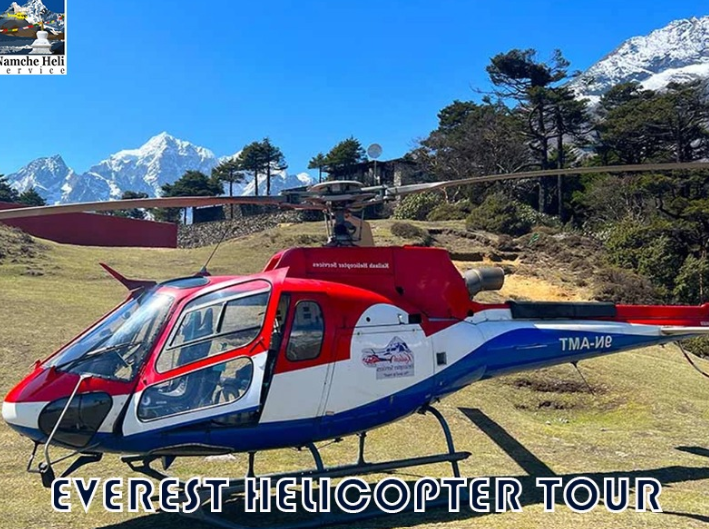
Exactly where the helicopter picks you up, and where it drops you, isn’t fixed. Weather, aviation regulations, aircraft capacity and the day’s operational conditions all shape the final plan, so treat the return as flexible until your operator confirms it closer to the date.
Suggested 11–12 Day Itinerary
This is a general structure, not a fixed schedule — operators vary the exact days and the helicopter timing.
| Day | Route / Activity | Main purpose |
| Day 1 | Kathmandu → Lukla → Phakding | Start trekking |
| Day 2 | Phakding → Namche Bazaar | Enter the Khumbu |
| Day 3 | Namche acclimatization | Rest and short hike |
| Day 4 | Namche → Tengboche | Gradual altitude gain |
| Day 5 | Tengboche → Dingboche | Move higher |
| Day 6 | Dingboche acclimatization | Altitude adaptation |
| Day 7 | Dingboche → Lobuche | High-altitude trekking |
| Day 8 | Lobuche → Gorak Shep → Everest Base Camp | Reach EBC |
| Day 9 | Kala Patthar → helicopter return | Views plus shortened return |
| Day 10 | Kathmandu / buffer arrangement | Weather flexibility |
| Days 11–12 | Buffer or itinerary adjustment | Covers flight or weather delays |
The acclimatization days aren’t decoration — cut them and you’re gambling with how your body handles the altitude later on. Itinerary length and the exact helicopter routing differ between operators, so treat this as a template for comparing quotes rather than a fixed plan.
Everest Base Camp Trek with Helicopter Return Cost
What normally affects the price?
There’s no single honest number here, because too many variables move the price up or down: trek duration, the helicopter sector, shared flight versus private charter, group size, and the standard trekking package cost — guide, porter, accommodation, meals, permits, Lukla flight, transfers, and insurance. Seasonal demand and weather-related changes can shift the price further.
What is usually included and excluded?
Most packages include your guide, porter, teahouse accommodation, permits, and the helicopter sector. Often excluded: personal gear, tips, alcoholic drinks, hot showers or Wi-Fi higher up, and insurance that specifically covers helicopter evacuation. Ask for a clear breakdown rather than one bundled figure — it’s the only way to compare quotes fairly. We’re not publishing a fixed price here, since costs shift with season and operator.
Everest Helicopter Tour vs Trek with Helicopter Return
These two get mixed up constantly, so it’s worth laying them side by side.
| Feature | Helicopter Tour | Trek + Helicopter Return |
| Main experience | Aerial sightseeing | Full trekking experience |
| Walking | Very limited | Several trekking days |
| Acclimatization | Limited | Built into trek |
| EBC walking experience | Depends on product | Yes |
| Time required | Shorter | Longer |
| Physical effort | Lower | Moderate to strenuous |
| Best for | Time-limited visitors | Trekkers wanting EBC |
An Everest helicopter tour is built for people short on time or unable to trek, giving mountain views without the walking days. A trek with helicopter return keeps the on-foot journey intact and only changes how you get back down.
What to Know About the Lukla to Kathmandu Helicopter Return
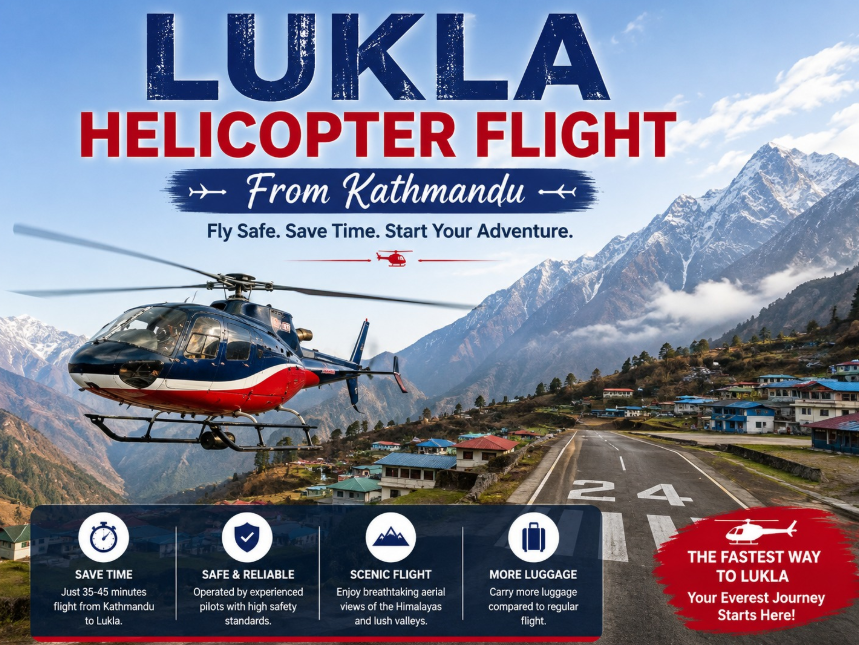
A Lukla to Kathmandu helicopter flight cuts out the return trek, and sometimes part of the Lukla flight too. But the exact routing depends on operational conditions on the day — weather in the Everest region shifts fast, and helicopters don’t fly in poor visibility or high wind. Don’t treat any helicopter flight as guaranteed down to the minute. Keep at least one buffer day before your international flight home, and ask your trekking company exactly where the pickup and transfer points will be.
Best Time for the Trek and Helicopter Return
Spring (March through May) and autumn (September through November) are generally the strongest windows for both trekking conditions and flying weather. Winter brings colder temperatures and tougher going on the higher sections. Monsoon season, roughly June through August, brings rain, cloud cover, muddier trails, and a higher chance of flight disruption. Worth separating two things people often lump together: good trekking weather isn’t automatically the same as reliable helicopter weather, so check both before locking in dates.
Altitude, Acclimatization & Physical Difficulty
Why altitude matters
The climb from Lukla up through Namche, Dingboche, and into the Everest Base Camp area gains a significant amount of elevation over a short distance, and altitude sickness doesn’t discriminate based on fitness level alone.
How to prepare
Walk slowly, stick to the acclimatization schedule, and drink more water than feels necessary. Avoid pushing ahead of the group just because you’re feeling strong on a given day. Tell your guide immediately about headaches, nausea, or unusual fatigue — easier to manage early. Worth repeating: the helicopter return doesn’t remove the need for proper acclimatization, because the trek itself still reaches high altitude on the way up.
What to Pack for EBC Trek with Helicopter Return
Keep it practical rather than exhaustive: layered clothing, a warm sleeping bag, sturdy trekking boots, a down jacket, gloves and a warm hat, sunglasses, sunscreen, water bottles, a headlamp, personal medicines, basic first-aid supplies, a power bank, your documents, and a comfortable daypack cover most of it. One point specific to this trip: check the helicopter’s baggage allowance before leaving Kathmandu, since weight limits on the return flight can affect what you’re able to carry.
Accommodation, Food and Teahouse Practicalities
Teahouses line the route, offering basic but functional rooms that get simpler the higher you climb. Food choices narrow too — expect dal bhat, noodles, and similar staples rather than a varied menu. Hot showers, charging, and Wi-Fi are often available but usually cost extra, and reliability drops the higher you go. Bring some snacks and a reusable water bottle, and confirm exactly what your package covers before you go.
Practical Booking Tips
Before booking, ask whether the helicopter return is shared or private, and get a straight answer on the exact drop-off point. Find out what happens if weather cancels the flight — is there a backup plan or extra trekking day built in? Check baggage arrangements, confirm permits and domestic flights are handled, and ask about emergency procedures at altitude. Make sure your travel insurance covers high-altitude trekking and helicopter-related costs, not just standard medical care. It pays to confirm the flight arrangement directly with the operator — some trekkers specifically check with providers like Namche Heli to pin down the return logistics. Keep one buffer day in Kathmandu before flying home.
Final Thoughts: Is the Helicopter Return Worth It?
For travelers who want the complete Everest Base Camp experience without spending several more days walking back the way they came, this option makes real sense. The biggest advantage is time — you get the mountain, the villages, the acclimatization climb, without repeating the return trek. The trade-offs are real too: added cost, weather dependence, baggage limits, and a return flight that isn’t always locked to the minute. Before booking, compare the itinerary, what’s actually included, how the helicopter arrangement works, and the backup plan if weather doesn’t cooperate — not just the headline price. Check current availability and confirm the details directly with your chosen operator before locking in your Everest Base Camp adventure.
Common Questions About Everest Base Camp Trek with Helicopter Return
1. How many days does the Everest Base Camp trek with helicopter return take?
Most itineraries run around 9 to 12 days, depending on how many acclimatization days are built in and how the operator structures the trek.
2. Is the helicopter return from Everest Base Camp guaranteed?
Not strictly. Weather, aviation regulations, and aircraft availability all factor in, so treat it as highly likely rather than a certainty, and build in a buffer day.
3. How much does the Everest Base Camp trek with helicopter return cost?
It varies with trek length, shared versus private helicopter, group size, and the standard of accommodation — there isn’t one universal figure across operators or seasons.
4. Can beginners do the EBC trek with helicopter return?
Previous high-altitude experience helps but isn’t essential. Good pacing, following the acclimatization schedule, and reasonable fitness matter more than prior mountaineering experience.
5. Is an Everest Helicopter Tour better than trekking to Everest Base Camp?
Depends what you’re after. A helicopter tour suits people short on time or unable to walk the trail; a trek with helicopter return suits those who want the on-the-ground experience of the Khumbu without the long walk back.
6. Can I take a Lukla to Kathmandu Helicopter after finishing the trek?
Often, yes, but routing depends on the day’s weather and operational conditions, so confirm with your operator rather than assuming it’s fixed.
Contact Details
Namche Heli Service
Namche Bazzar, Solukhumbu, Nepal
(Branch Office :Kathmandu Naya Bazar)
Phone +977-985-2850192 (WhatsApp)
Email: info@namcheheli.com
URL: www.namcheheli.com