



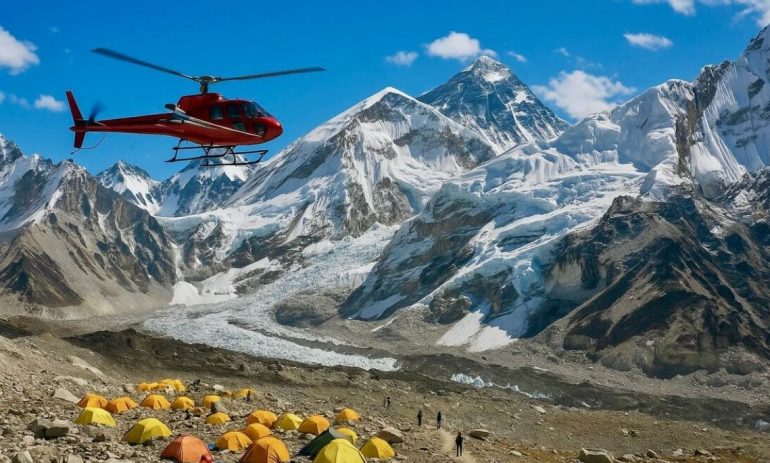
Why See Everest by Helicopter?
Not everyone who wants to stand in the shadow of the world’s highest mountain has three weeks and a pair of broken-in trekking boots to spare. That’s the honest starting point for most people who look into an Everest Base Camp Helicopter Tour — it’s not that they don’t want the full Khumbu experience, it’s that life, work, or their knees won’t allow for it. A helicopter tour solves a very specific problem: how do you get close to Everest without walking for days at altitude?
This is different from the short scenic flights that leave Kathmandu and loop past the mountains without ever getting near the ground. A proper Everest helicopter tour pushes further into the Khumbu, flies past some of the most recognizable peaks in the world, and — conditions permitting — brings you down into the Everest Base Camp area itself. It’s a compressed version of an experience that normally takes two weeks, and that compression is exactly why people search for a Helicopter Tour in Nepal in the first place.
Before booking, it helps to understand a few things: the route can shift depending on weather, landing isn’t guaranteed every single day, and altitude still matters even if you never take a trekking step. This guide walks through all of it plainly, without oversell.
What Is an Everest Base Camp Helicopter Tour?
At its core, this is a chartered or shared flight that departs from Kathmandu, heads northeast toward the Khumbu region, and gives passengers an aerial route through some of the highest terrain on the planet. Most itineraries include a stop somewhere near the Everest Base Camp or Kala Patthar area, often with a short break to step outside, take photos, and simply absorb the view before the return leg.
What makes this an Everest Base Camp helicopter tour rather than just “a helicopter ride” is that closeness to Base Camp — the whole appeal is proximity, not just distant mountain-spotting. That said, exact landing spots and flight paths aren’t fixed in stone. Airspace rules, weather patterns, and even the day’s traffic at smaller mountain airstrips can all shift where and how long you actually stay on the ground.
Everest Helicopter Tour Route: What You Actually See
Kathmandu to the Everest Region
The flight begins in the Kathmandu Valley, and within a matter of minutes the cityscape gives way to terraced hills, then to the forested ridgelines that mark the edge of the high Himalaya. It’s a quick transition — one moment you’re looking at rooftops, and the next you’re staring at snow.
Himalayan Mountain Views Along the Flight
As the helicopter pushes deeper into the Khumbu, the terrain sharpens. On a clear day, passengers get views toward Everest itself, along with neighboring giants like Lhotse, Nuptse, and the strikingly pointed Ama Dablam. Thamserku often shows up in the same stretch of sky. None of this is guaranteed on every single flight — cloud cover and haze are common in the mountains, and no operator can promise a completely unobstructed view of every peak, every time. What’s fairly consistent is the sense of scale; even partial visibility in this region tends to leave an impression.
Everest Base Camp and Kala Patthar Area
This is where people sometimes misunderstand what they’re booking. Seeing Everest Base Camp from the air, gliding above the Khumbu Glacier, is not quite the same as touching down at a specific viewpoint like Kala Patthar or a nearby landing zone. Depending on the day’s conditions, the helicopter may land closer to Base Camp itself or at an alternative high-altitude spot with a comparable view. Either way, this segment is usually the emotional peak of the trip — a few minutes on the ground, thin air, and the mountain right there in front of you.
Return to Kathmandu
The flight back isn’t just a repeat of the outbound leg. Light changes, angles change, and often the helicopter takes a slightly different path, so the return still offers something worth watching rather than feeling like a formality.
How Long Does an Everest Helicopter Tour Take?
Door-to-door, most travelers should plan for a morning that starts early — helicopters typically depart before sunrise or shortly after, since mountain weather tends to be calmest in the early hours and clouds tend to build up as the day goes on. The actual flying time varies by route and operator, and the time spent on the ground near Base Camp or Kala Patthar is usually brief, often just enough for photos and a moment to take it in.
It’s worth thinking about the whole morning rather than just the minutes in the air. Delays happen. Weather can push departure back by an hour, or occasionally longer, and travelers booked on shared flights should build in some slack rather than scheduling anything tight immediately afterward.
Best Time for an Everest Helicopter Tour in Nepal
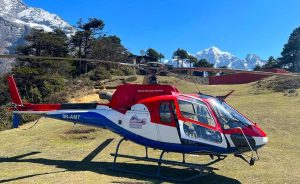
Spring, roughly March through May, is one of the busiest windows for a Helicopter Tour in Nepal, largely because it overlaps with the main trekking season and tends to offer reasonably good mountain visibility, though afternoon cloud buildup is still common. Autumn, September through November, is often considered similarly favorable, with generally stable weather patterns following the monsoon.
Winter brings colder temperatures but sometimes rewards travelers with unusually clear skies, since cold, dry air can mean less haze — though operational conditions and cold-weather aviation limits need to be factored in too. Monsoon season, roughly June through August, is the trickiest stretch: rain, cloud cover, and reduced visibility make flights far less predictable, and cancellations or reroutes are more common.
None of these seasons come with guarantees. The honest advice is to keep your schedule flexible around your flight date if you can, especially outside the shoulder seasons, since a rebooking for the next morning is a normal part of how these tours operate.
Everest Helicopter Tour Cost: What Affects the Price?
There’s no single fixed number that applies to every traveler, and anyone promising an exact price without knowing your dates and group size is skipping a few steps. What actually moves the price on an Everest Base Camp Helicopter Tour includes whether you’re joining a shared flight or booking a private charter, how many passengers are in your group, the season, and which operator you go with.
Landing arrangements matter too — a flight that includes a proper stop near Base Camp will typically cost more than one that only offers an aerial pass. Airport and operational charges, along with group size discounts on private charters, also shift the final number.
Rather than chasing the lowest headline price, it’s worth comparing what’s actually included. Does the quote cover airport transfers to and from your hotel? Are landing fees bundled in, or added separately? Is there a breakfast or snack included, and does the package mention permit or entry-related charges where they apply? Insurance requirements and the operator’s cancellation or weather-rescheduling policy deserve a close read too — a cheaper flight that leaves you stranded with no rebooking option isn’t actually cheaper.
Shared vs Private Everest Helicopter Tour: Which Makes More Sense?
Shared Helicopter Tour
A shared flight splits the cost among several passengers, which makes it the more accessible option for solo travelers or anyone trying to keep the budget down without giving up the experience entirely. The trade-off is a fixed schedule and less control over departure timing.
Private Charter
A private charter costs more overall but gives you flexibility — you can often negotiate departure windows, request specific routing preferences within operational limits, and avoid waiting around for other passengers to assemble. Families, couples celebrating something specific, and photographers who want more time or freedom to move around tend to lean this way.
Neither option is objectively better. It really comes down to budget, how much you value privacy and control, and whether you’re traveling with a group large enough to make a private charter cost-competitive per person.
Nepal Helicopter Service: What Should You Check Before Booking?
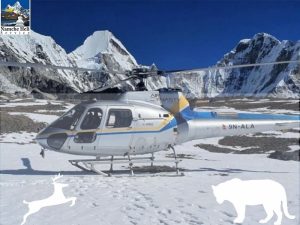
Choosing a Nepal helicopter service is where a lot of the actual risk in this trip gets managed, and it deserves more attention than most people give it. Start with the basics: what aircraft do they use, what’s the passenger capacity, and how experienced is the aviation crew? Ask directly about their weather cancellation policy — not a vague “we’ll figure it out” answer, but the specific terms for rebooking or refunds.
Emergency and contingency procedures are worth asking about too, along with clear weight and baggage restrictions, since these can affect who’s allowed to fly and what you can bring. Confirm landing arrangements in writing where possible, along with pickup and transfer details so you’re not scrambling on the morning of the flight. Insurance expectations should be spelled out clearly, and you should know exactly what happens — financially and logistically — if the flight simply can’t operate that day.
Some travelers researching options come across operator names like Namcheheli while comparing services online; it’s a reasonable example of the kind of Nepal-based helicopter brand that shows up in this space, and it illustrates why doing a bit of homework on any operator, rather than assuming all packages are identical, pays off. Not every company includes the same services for the same price, and asking direct questions before you pay is simply good practice.
Who Should Choose an Everest Helicopter Tour Instead of Trekking?
This option tends to suit travelers with limited vacation time who still want a genuine Everest experience rather than skipping the region altogether. It also appeals to older travelers who’d rather not take on a demanding multi-day trek at altitude, and to families looking for something memorable without committing two weeks to it. Visitors who are already in Nepal for other reasons — business, a shorter holiday, a stopover — often add a helicopter tour simply because they can’t dedicate the days a full trek requires.
That said, it’s worth being upfront about what you’re trading away. A helicopter flight gets you into the Everest landscape, but it doesn’t replicate the slow build of a trek through Sherpa villages, the acclimatization process, or the sense of having earned the view step by step. Both are valid ways to experience the mountain — they’re just different experiences, not a “fast” and “slow” version of the same one.
What to Expect at High Altitude
Even a short stop near Base Camp or Kala Patthar puts you at an elevation where the air is genuinely thin, and it’s easy to underestimate that because you never had to walk there. Expect cold temperatures, even in warmer seasons, and move slowly once you step off the helicopter — this isn’t the moment to jog around for the perfect photo angle. Staying hydrated helps, as does listening to whatever the crew tells you about timing and movement. Because the exposure window is short, most people handle it fine, but it’s not a place to push yourself physically, and treating it casually just because you didn’t trek there would be a mistake.
What to Wear and Bring for the Flight
Dress in warm layers, with a wind-resistant outer layer for the high-altitude stop specifically. Sunglasses help against the glare off snow and ice, and comfortable, sturdy shoes matter more than people expect, even for a short walk on uneven ground. Depending on the season, gloves and a hat are worth packing. Bring water, and make sure your camera or phone battery is charged before you leave the hotel — cold temperatures drain batteries faster than usual. If you take regular medication, keep it with you rather than in checked luggage. Kathmandu’s morning weather can feel mild, but the air near Base Camp is a different story entirely, so don’t judge what to pack by how the city feels at departure.
Helicopter Tour vs Everest Base Camp Trek: The Real Difference
The trek to Everest Base Camp usually takes around two weeks including acclimatization days, involves real physical effort day after day, and moves through Sherpa villages like Namche Bazaar and Tengboche that give the journey its cultural depth. A helicopter tour compresses all of that mountain exposure into a single morning, with none of the walking and none of the gradual altitude adjustment.
Cost structures differ too — trekking spreads expenses across guides, permits, teahouse stays, and time, while a helicopter tour concentrates cost into one flight. What you gain with the trek is a slower, more personal sense of achievement and much deeper contact with the region’s culture. What you gain with the helicopter is flexibility and a dramatically shorter time commitment. Framing this as “helicopter versus Everest Base Camp trek” misses the point slightly — it’s less about which is faster and more about which kind of experience you actually want.
How to Prepare for Your 2026 Everest Helicopter Tour
A few practical steps make a real difference. Pick a date with some built-in flexibility rather than a single fixed morning, since weather rescheduling is common. Confirm the exact itinerary and landing plan directly with your operator, and get a clear list of what’s included and excluded before you pay anything. Read the weather and cancellation terms properly, not just skim them. Follow baggage and weight instructions closely, since helicopters have tighter limits than most people expect. Arrive at your meeting point on time — mountain flights don’t wait the way domestic flights sometimes do. Keep your passport, any required documents, and essentials like medication in a bag you’re carrying yourself, not buried in checked luggage. And because 2026 conditions — both aviation regulations and mountain weather patterns — can shift, it’s worth confirming the operational details again close to your actual departure date rather than relying only on what you read months in advance.
Final Thoughts: Is an Everest Helicopter Tour Worth It in 2026?
For travelers who can’t spend two weeks trekking but still want a real, close-up encounter with Everest, a helicopter tour genuinely delivers on that promise. The key is choosing a reputable Nepal helicopter service, staying flexible around weather, understanding exactly where the flight goes and where it doesn’t, and comparing package inclusions rather than just the sticker price. There’s something particular about seeing that mountain from above — a different kind of view than any trekker gets, but no less real for it.
Frequently Asked Questions About Everest Helicopter Tours
Is an Everest Base Camp Helicopter Tour suitable for first-time visitors to Nepal?
Yes, generally. It doesn’t require prior trekking experience or physical training, and it offers a genuine Everest region experience within a single morning, which makes it a reasonable fit for travelers who are new to Nepal and want to see the mountains without a long commitment.
Can a helicopter land at Everest Base Camp?
Landings happen in the Base Camp area or at comparable high-altitude viewpoints like Kala Patthar, depending on the day’s weather and operational conditions. It’s best to think of it as landing near the Base Camp region rather than a guaranteed touchdown at one exact fixed spot every time.
What happens if the weather is bad?
Operators typically delay departure, reroute the flight, or reschedule to another morning. In some cases, if conditions don’t improve, the flight is cancelled and refunded or credited according to the operator’s specific policy — which is exactly why reading that policy beforehand matters.
Is an Everest Helicopter Tour better than trekking to Everest Base Camp?
Not better or worse, just different. The helicopter wins on time and physical ease; the trek wins on depth of cultural experience, acclimatization, and the sense of having earned the view. Which one suits you depends on what you’re actually looking for from the trip.
How should I choose a Nepal helicopter service?
Look past the price tag. Check the operator’s safety procedures, aircraft and crew experience, what’s actually included in the package, their cancellation and weather policy, and how responsive their customer support is before you book anything.
Contact Details
Namche Heli Service
Namche Bazzar, Solukhumbu, Nepal
(Branch Office :Kathmandu Naya Bazar)
Phone +977-985-2850192 (WhatsApp)
Email: info@namcheheli.com
URL: www.namcheheli.com