



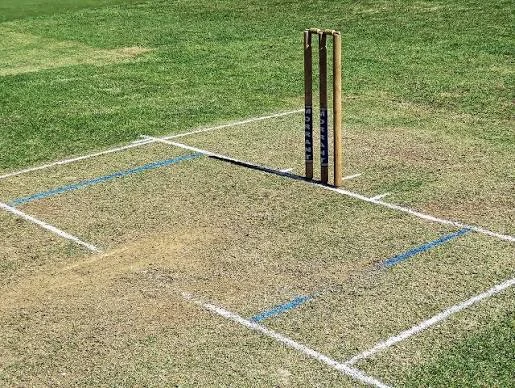
Cricket is a game of skill, strategy, and precision. While fans often focus on batting, bowling, and fielding performances, the markings on a cricket pitch play a crucial role in how the game is played and officiated. Among these markings, cricket creases and lines are some of the most important elements because they determine legal deliveries, run-outs, stumpings, no-balls, and much more.
Whether you’re a beginner trying to understand the game or a cricket enthusiast looking to learn more about pitch markings, this guide covers everything you need to know about cricket creases and lines, including their types, dimensions, rules, and significance.
What Are Cricket Creases?
In cricket, a crease is a line marked on the pitch that helps define the positions and boundaries for batsmen and bowlers. These lines are essential because many rules of the game depend on a player’s position relative to a crease.
Every cricket pitch contains multiple creases at both ends, and each serves a specific purpose.
Without these creases, umpires would find it difficult to judge:
- No-balls
- Run-outs
- Stumpings
- Legal bowling actions
- Batsmen’s safety zones
Did You Know :- How Many Creases Are There in Cricket? A Complete Detailed Guide
How Many Creases Are There in Cricket?
At each end of the pitch, there are three main creases:
- Bowling Crease
- Popping Crease
- Return Crease
Since these markings exist at both ends of the pitch, a cricket field effectively contains six crease markings in total.
These three creases work together to regulate the movement and positioning of both batsmen and bowlers.
The Bowling Crease
The bowling crease is the most central line on the pitch.
It is drawn through the stumps and serves as the reference point for other crease markings.
Dimensions
- Length: 8 feet 8 inches (2.64 meters)
- Positioned directly through the middle stump.
Importance
The bowling crease is important because:
- The stumps are placed on it.
- It serves as the base for return creases.
- It helps define legal bowling positions.
The bowling crease itself is not usually the deciding factor for no-ball decisions, but it acts as the foundation for the pitch layout.
The Popping Crease
The popping crease is arguably the most important crease in cricket.
It is located parallel to the bowling crease.
Dimensions
- Positioned 4 feet (1.22 meters) in front of the bowling crease.
- Extends beyond the return creases on both sides.
Why Is It Important?
The popping crease is used to determine:
- Run-outs
- Stumpings
- Safety of batsmen
- Legality of deliveries
A batsman is generally considered safe when some part of their bat or body is grounded behind the popping crease.
The Return Crease
The return crease consists of two lines drawn perpendicular to the bowling crease.
Dimensions
- Extends behind the bowling crease.
- Located at specific distances on either side of the stumps.
Importance
The return crease is extremely important for bowlers.
It determines whether:
- A bowler has delivered the ball legally.
- A delivery should be called a no-ball.
If a bowler’s back foot lands outside the return crease during delivery, the umpire may call a no-ball.
Understanding Cricket Pitch Lines
Apart from creases, several lines and markings appear on a cricket pitch.
These markings help officials maintain consistency and ensure fair play.
Main Pitch Markings
- Bowling crease
- Popping crease
- Return crease
- Protected area markings
- Practice area markings (in some grounds)
Each line serves a specific purpose and is regulated by the Laws of Cricket.
Why Are Creases Important in Cricket?
Cricket creases influence nearly every aspect of the game.
1. Determining Run-Outs
When a batsman is attempting a run, umpires check whether the bat or body is grounded behind the popping crease.
If not, the batsman can be declared run out.
2. Stumping Decisions
Wicketkeepers often remove the bails when a batsman steps outside the crease.
If the batsman is not grounded behind the popping crease, they can be stumped.
3. No-Ball Judgments
The return crease helps umpires determine whether the bowler delivered the ball legally.
Foot placement is critical.
4. Fair Competition
Creases ensure that both batsmen and bowlers operate within defined boundaries.
This creates consistency and fairness across all levels of cricket.
Cricket Creases and No-Ball Rules
One of the most common reasons a no-ball is called involves incorrect foot placement.
Front-Foot No-Ball
A bowler must land part of their front foot behind the popping crease.
If the entire foot crosses the line, the umpire calls a no-ball.
Back-Foot No-Ball
The back foot must remain within the return crease.
Stepping outside may result in another no-ball call.
Modern cricket often uses technology and television replays to confirm close decisions.
How Creases Affect Batting
Creases are just as important for batsmen as they are for bowlers.
Safety Zone
The popping crease acts as a safety zone for batsmen.
When running between wickets, players must ensure their bat or body reaches behind the crease.
Aggressive Batting
Many modern batsmen leave their crease to attack spinners.
This creates opportunities for wicketkeepers to attempt stumpings.
As a result, understanding crease awareness has become an important batting skill.
How Umpires Use Creases During Matches
Umpires constantly monitor crease positions.
They Use Creases To Judge:
- Run-outs
- Stumpings
- No-balls
- Dead-ball situations
- Fair deliveries
At the professional level, third umpires often review video footage to make accurate crease-related decisions.
Evolution of Cricket Creases
Cricket has changed significantly over the years, but crease markings have remained a fundamental part of the game.
Historical Development
Early cricket had simpler pitch markings.
As rules evolved:
- Standardized dimensions were introduced.
- International regulations were established.
- Umpiring consistency improved.
Today, crease measurements are governed by the Marylebone Cricket Club (MCC) Laws of Cricket.
Common Mistakes Beginners Make
New cricket fans often misunderstand how creases work.
Mistake 1: Confusing Bowling and Popping Creases
The bowling crease holds the stumps.
The popping crease determines safety for batsmen.
Mistake 2: Thinking Only the Bat Counts
A batsman can be safe if any part of their body or bat is grounded behind the crease.
Mistake 3: Ignoring the Return Crease
Many people focus only on the popping crease, but return creases are equally important for legal bowling actions.
Interesting Facts About Cricket Creases
- Every international cricket ground uses the same standard crease dimensions.
- Modern television broadcasts frequently zoom in on crease lines during reviews.
- Front-foot no-ball technology is now used in many international matches.
- Some famous cricket matches have been decided by extremely close run-out and stumping decisions involving the crease.
- The popping crease is one of the most frequently referenced lines in cricket laws.
Cricket Creases in Different Formats
The role of creases remains largely the same across:
- Test Cricket
- One Day Internationals (ODIs)
- T20 Internationals (T20Is)
- Franchise Leagues (IPL, BBL, PSL, etc.)
However, in shorter formats like T20 cricket, crease awareness becomes even more important because players take greater risks while running and attacking bowlers.
Also Read :- Diamond Duck in Cricket: Meaning, Rules, Examples, and Interesting Facts
Conclusion
Cricket creases and lines may seem like simple markings on the pitch, but they are fundamental to the sport. The bowling crease, popping crease, and return crease help regulate legal deliveries, determine dismissals, and maintain fairness in the game.
Whether it’s a dramatic run-out, a close stumping, or a crucial no-ball decision, creases are often at the center of cricket’s most important moments. Understanding these markings can significantly improve your appreciation of the game and help you follow matches with greater confidence.
For beginners and experienced fans alike, learning about cricket creases is an essential step toward understanding the finer details of one of the world’s most popular sports.