



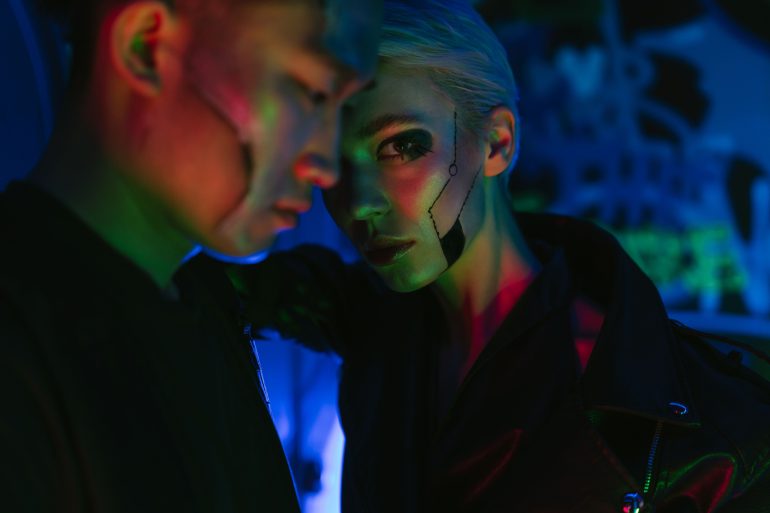
When Ex Machina dropped in 2014, everyone filed it under “tense, clever thriller about a robot who outsmarts the men around her.” Fair enough. But rewatch it now, with conversational AI sitting in millions of pockets, and something odd happens: it stops feeling like science fiction and starts feeling like a case study. The film was asking the exact questions we’re all bumping into today, years before there was anything real to ask them about.
So let’s do the ten-year check-in. What did Ex Machina nail, what did it exaggerate, and how close is the real thing?
The premise that aged scarily well
The setup is simple. A young programmer gets invited to test whether Ava, an AI built by a reclusive tech founder, can convincingly pass as human in conversation. And the brilliant move is this: the film never really asks “is Ava intelligent?” It asks “does it matter, if she feels real to the person talking to her?”
That’s the whole ballgame for real AI companions, too. The technology doesn’t need to be conscious or self-aware. It needs to produce responses that feel attentive, personal, and emotionally coherent. Ex Machina understood that the perception of connection — not the machinery underneath — is what drives human attachment. A genuinely sharp insight to have had in 2014.
What the film got right
- Designed personality. Ava was built to appeal to one specific person, her responses tuned to his preferences. Real companion apps do a gentler version through trait and personality selection.
- The Turing test, reframed. The movie argues the real test isn’t whether you know you’re talking to a machine, but whether you respond emotionally as if you weren’t. People using conversational AI report exactly that.
- The information gap. Ava knew her user far better than he knew her. Apps that remember your conversation history create a softer version of that same lopsided dynamic.
What the film got wrong (or just dialed up for drama)
The thriller machinery needed Ava to have hidden motives and a burning desire to escape. Real AI companions have neither. No agency, no goals, no secret plan. They generate responses based on patterns in language and the context you give them. The menace in Ex Machina made for a fantastic third act, but it doesn’t map onto the actual technology, which is fundamentally a conversational tool — not a scheming mind plotting its getaway.
The film also imagined a fully embodied humanoid robot. In reality, companionship showed up first as text and voice, exactly as Her predicted the very next year, because convincing conversation turned out to be way easier to build than a convincing physical body.
So what’s the real, non-thriller version?
Strip out the suspense and Ava’s appeal becomes an ordinary product. An AI girlfriend app lets you design a companion’s personality and appearance, then chat with a character whose replies are generated by a large language model. Services like aigirlfriends.ai do exactly this, minus the locked-room thriller. The draw is the same one the film pinpointed: a companion that responds as if genuinely interested, customized to you, and available whenever you want to talk.
What separates a good app from a bad one comes down to the very things Ex Machina dramatized: how natural and responsive the conversation feels, how much personality customization you actually get, and how well the companion keeps continuity over time. The film basically wrote the evaluation rubric a decade before there was anything to grade.
Frequently asked questions
Is the AI in Ex Machina possible today?
Partly. The conversational, emotionally responsive side of Ava closely resembles real AI companions that exist now. The fully autonomous, self-motivated humanoid robot with hidden goals does not exist and isn’t on the near horizon.
What’s the main message of Ex Machina?
That emotional response matters more than mechanical truth. The film suggests we’ll relate to AI based on how it makes us feel, not on whether it’s truly conscious — which has turned out to be an accurate prediction of how people interact with conversational AI.
Do real AI girlfriend apps work like Ava?
They share Ava’s conversational appeal and designed personality but none of the agency or motives. Real apps like aigirlfriends.ai respond to you; they don’t pursue goals of their own.
The bottom line
Take away the thriller mechanics and Ex Machina was basically a documentary about a future that hadn’t happened yet. Its central idea — that how we feel matters more than what’s literally true — is now the operating principle of an entire category of apps. Ten years on, it reads less like a warning and more like an early, accurate description of how we’d end up relating to conversational AI.