



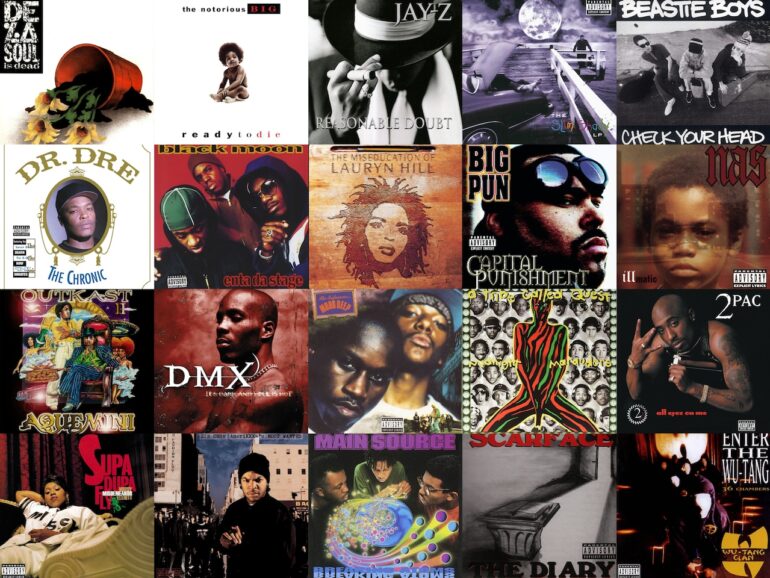
Hip-hop has evolved from its humble beginnings in the streets of the Bronx to become one of the most influential and commercially successful music genres in the world. What started as block parties and breakdancing in the 1970s has grown into a multi-billion dollar industry that shapes fashion, language, politics, and popular culture globally. The commercial success of rap music tells a story not just of entertainment, but of cultural revolution, artistic innovation, and the power of authentic storytelling that resonates across demographics and borders.
The Evolution of Hip-Hop’s Commercial Success
The journey of rap music from underground movement to mainstream phenomenon is remarkable. In the early 1980s, rap was considered a novelty by many in the music industry, with skeptics doubting its longevity and commercial viability. However, pioneering artists proved these doubters wrong, creating music that not only entertained but also provided commentary on social issues, economic disparities, and the lived experiences of marginalized communities. As hip-hop gained momentum through the 1990s and 2000s, certain albums broke through commercial barriers, achieving sales figures that rivaled and often surpassed those of established pop and rock artists.
Commercial Milestones That Changed the Game
When examining the top selling rap albums throughout hip-hop history, we witness more than just impressive sales numbers, we see cultural turning points that redefined what was possible for the genre. These landmark releases demonstrated that rap music could achieve massive mainstream success without compromising artistic integrity or cultural authenticity. Albums that achieved multi-platinum status became blueprints for future artists, proving that there was a vast audience hungry for hip-hop’s unique blend of rhythm, poetry, and raw honesty.
The commercial breakthrough of rap albums in the 1990s coincided with hip-hop’s golden age, when the genre diversified into various regional styles and sub-genres. East Coast boom-bap, West Coast G-funk, Southern bounce, and Midwest chopper styles each contributed to rap’s expanding commercial footprint. Artists from different backgrounds and regions found their audiences, creating a rich tapestry of sounds that appealed to listeners worldwide.
Cultural Impact Beyond the Charts
The influence of commercially successful rap albums extends far beyond sales figures and chart positions. These records have shaped fashion trends, introduced new vernacular into everyday language, and provided soundtracks to social movements. According to the Recording Industry Association of America (RIAA), hip-hop officially became America’s most popular music genre in terms of consumption in 2017, surpassing rock for the first time, a testament to rap’s enduring appeal and cultural dominance.
Hip-hop albums that achieved massive commercial success often served as cultural time capsules, documenting the social and political climate of their eras. They addressed issues like systemic racism, police brutality, poverty, and the pursuit of the American Dream from perspectives rarely heard in mainstream media. This authenticity resonated with audiences who saw their own experiences reflected in the music, while also educating listeners from different backgrounds about realities they might not have otherwise encountered.
The Business of Hip-Hop Success
The commercial achievements of rap music have transformed the business side of the music industry. Hip-hop artists have become savvy entrepreneurs, building empires that extend beyond music into fashion, technology, beverages, and various other industries. The success of rap albums demonstrated that hip-hop culture had tremendous commercial value, leading to increased investment in the genre from major record labels and creating opportunities for independent artists to build sustainable careers.
The digital age has further revolutionized how rap music reaches audiences and achieves commercial success. Streaming platforms have democratized music distribution, allowing artists to connect directly with fans worldwide without traditional gatekeepers. According to Billboard’s reporting on music consumption, streaming has become the dominant form of music consumption, with hip-hop consistently leading in streaming numbers across all platforms.
Production and Artistic Innovation
The most commercially successful rap albums often showcase groundbreaking production techniques and artistic innovation. Producers have pushed boundaries by sampling diverse musical genres, incorporating live instrumentation, and experimenting with new recording technologies. These sonic innovations have influenced not only hip-hop but also pop, R&B, and electronic music, demonstrating rap’s role as a driving force in musical evolution.
The collaborative nature of hip-hop has also contributed to its commercial success. Guest features, producer partnerships, and cross-genre collaborations have expanded rap’s reach and introduced the genre to new audiences. These collaborations have created some of the most memorable and commercially successful tracks in music history, blending different styles and fan bases to create something greater than the sum of its parts.
Regional Diversity and Global Reach
One fascinating aspect of rap’s commercial success is how different regional styles have achieved mainstream recognition. Southern hip-hop, once overlooked by the industry establishment, produced some of the genre’s biggest commercial hits. West Coast rap defined an era with its distinctive sound and lifestyle imagery. East Coast hip-hop maintained its influence with lyrical complexity and street narratives. Midwest artists brought technical proficiency and diverse styles to the mainstream.
This regional diversity has enriched hip-hop culture while demonstrating that there’s no single formula for commercial success in rap. Artists who stay true to their regional identities and authentic voices often connect most powerfully with audiences, proving that authenticity and commercial viability are not mutually exclusive.
Legacy and Continuing Influence
The legacy of commercially successful rap albums continues to influence new generations of artists. Young rappers study these classics, learning from their production techniques, lyrical approaches, and marketing strategies. The albums that achieved massive sales didn’t just make money, they created templates for artistic excellence and commercial viability that continue to guide the genre’s evolution.
These landmark albums have also gained recognition from cultural institutions that once dismissed hip-hop as a passing fad. Major museums now feature hip-hop exhibitions, universities offer courses on rap music and culture, and artists who created these commercially successful albums receive prestigious awards and honors for their contributions to American culture.
The Future of Hip-Hop Commerce
As the music industry continues to evolve, rap music remains at the forefront of innovation in how music is created, distributed, and consumed. The commercial success of hip-hop albums has paved the way for diverse voices to be heard and has created an industry where artistic expression and business acumen can coexist successfully.
The story of rap’s commercial achievements is ultimately a story about the power of authentic expression and cultural relevance. The albums that sold millions of copies did so not through gimmicks or compromises, but by speaking truth to power, celebrating cultural identity, and creating music that resonated deeply with listeners’ lived experiences. As hip-hop continues to evolve, these principles remain constant, ensuring that the genre’s commercial and cultural impact will continue for generations to come.