



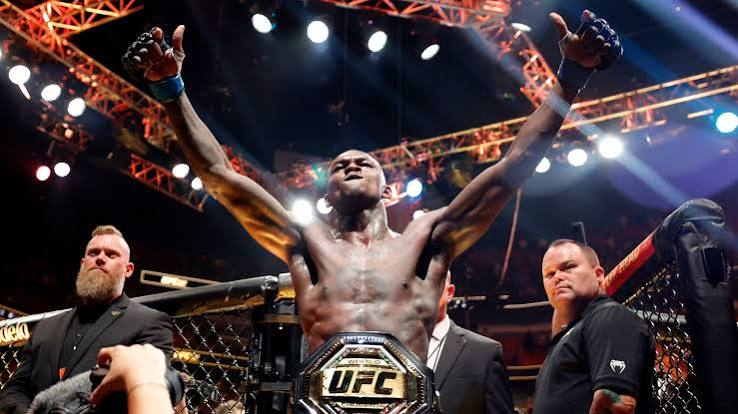
Somewhere around 2023 the centre of heavyweight boxing moved to Riyadh. Fury against Ngannou, Joshua against Ngannou, both Fury against Usyk fights, Beterbiev against Bivol: the biggest cards of the decade have been staged under Riyadh Season, the entertainment festival that runs through the Saudi winter, and the arenas built for them hold fights, WWE events and concerts back to back from October to March. Fans who used to fly to Las Vegas now fly to Riyadh, and the trip is easier than most of them expect. Here is how to do a fight weekend.
When and where
Riyadh Season runs from roughly October to March, when the weather is mild, and the big fights cluster in that window. Kingdom Arena, built for exactly this, and the ANB Arena at Boulevard City are the two venues that have hosted the marquee cards; both sit on the north side of the capital in the Boulevard Riyadh City entertainment district, which is also where the fan zones, the restaurants and most of the hotels fans use are. Fight dates are announced a few months out, and tickets sell through the official Riyadh Season channels; the ringside seats go to sponsors, but the upper tiers are priced for fans and sell fast once a card is confirmed.
The visa
The Saudi tourist eVisa covers 66 nationalities, runs for a year with stays of up to 90 days, and visa on arrival at Riyadh, Jeddah or Dammam works out slightly cheaper (about SAR 480) than applying online because it skips the platform fee. The list covers most of Europe, North America, Australia and East Asia. Apply through the official Visit Saudi platform if you want it sorted before you fly, or use the visa-on-arrival counter at King Khalid airport; both need the same eligibility, so check your nationality against the current list first, since countries have been added and, in a couple of cases, removed. Citizens of the other Gulf states enter on their ID with no visa. The visa includes the mandatory medical insurance, which is why it costs more than the fee alone suggests.
Getting there and around
King Khalid International is 35 kilometres north of the centre and close to the Boulevard district; a taxi or ride-hail into the city runs between SAR 60 and 120. Riyadh opened a six-line metro in late 2024, and the Blue Line covers the main north-south spine, but the arenas are best reached by car; allow an hour for traffic on fight night and book the return ride before the main event, not after. Buy a local SIM in arrivals (STC, Mobily and Zain all have counters; the prepaid data plans are cheap and quoted before 15 percent VAT), because every app you will use wants a local number.
The film-location detour
Saudi Arabia has become an action location in its own right, and two of the sites are reachable on a long weekend. Kandahar, the Gerard Butler picture, was shot largely in AlUla, the sandstone canyon country in the north-west that also holds Hegra, the Nabataean tomb city; it is a short flight from Riyadh and the landscape is the film’s third lead. Desert Warrior, the Anthony Mackie epic, was shot in the Tabuk region near the NEOM site. Neither is a day trip from a fight, but a fan with a spare three days has the choice between Las Vegas’s casinos and a canyon that Hollywood now uses instead of the Mojave.
The souvenir
Riyadh’s old gold market in Batha is where most visitors end up, usually on the last morning. Check the 21K gold rate in Saudi Arabia before you walk into a souq: 21K, hallmarked 875, is the Gulf standard, the metal price is national and identical in every shop, and the only number you can negotiate is the making charge. That last point is the whole game. The per-gram price of gold is fixed nationally each day from the world price at the riyal’s fixed rate against the dollar, so no shop is cheaper on the metal; what differs is the fee for the workmanship, which is lower in the old market than in a mall and lowest on simple pieces. Ask for weight, per-gram rate and making charge as three separate numbers, and you will pay what a local pays. A plain 21K chain or a small bar is the buy; anything intricate is paying for craft you did not come for.
| Item | Weekend budget, per person | Notes |
|---|---|---|
| Visa | About SAR 480 to 540 | Visa on arrival slightly cheaper than online; includes insurance |
| Fight ticket | Varies by card | Upper tiers priced for fans; buy the day the card is confirmed |
| Hotel, 3 nights | SAR 1,200 to 2,500 | Boulevard district fills on fight weekends; book early |
| Airport transfers | SAR 120 to 240 | Taxi or ride-hail, both ways |
| SIM and data | SAR 80 to 120 | Prepaid; prices quoted before 15 percent VAT |
| Getting around | SAR 150 to 300 | Ride-hail; allow extra on fight night |
| Food | SAR 100 to 200 a day | The Boulevard restaurants are pricier than the city’s |
| Gold souvenir | From about SAR 550 | One gram of 21K plus making charge plus VAT |
Three things fans get wrong
- Assuming Riyadh is Dubai. It is more conservative in dress and public behaviour; modest clothing is the norm for everyone, and the norm is real. Alcohol is not available.
- Booking the return ride after the main event. Thirty thousand people leave an arena at once; pre-book, or walk to a pickup point away from the venue.
- Buying gold by the piece rather than by the gram. The price is weight times the national rate plus the making charge; anyone quoting a single number for a piece is folding the making charge into it.
Visa rules and prices checked September 2026; fight dates and venues are announced by Riyadh Season each season.