



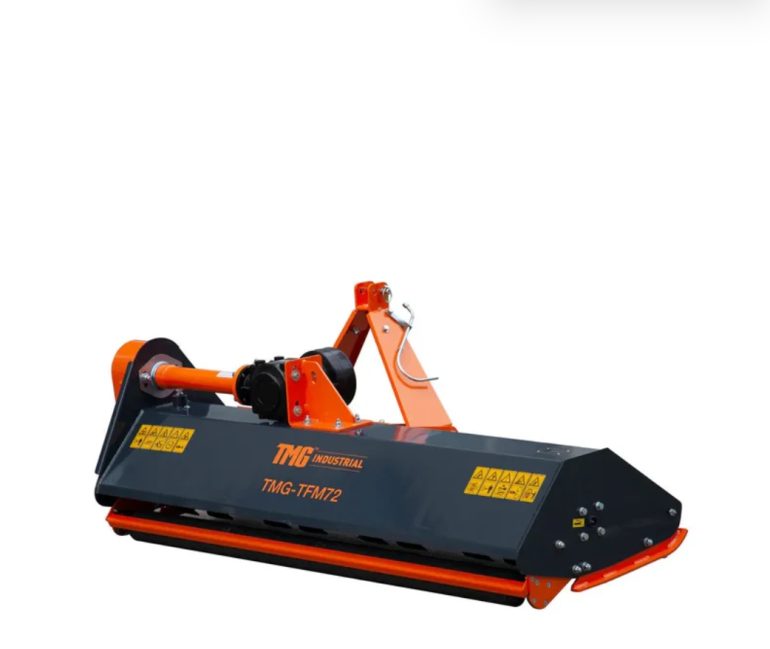
In the United States, land management plays a critical role across agriculture, municipal maintenance, and infrastructure upkeep. Grassland managers, equipment operators, and procurement professionals are tasked with maintaining large areas efficiently while meeting safety and environmental standards. Among the equipment used, the flail mower has become a widely adopted solution due to its versatility and controlled cutting performance. Understanding its operation and practical use is essential for informed decision making and safe implementation in the field with TMG Industrial equipment.
Overview of Flail Mower Technology and Applications
A flail mower operates by rotating a horizontal drum fitted with multiple small blades, known as flails. These blades strike vegetation at high speed, cutting and shredding material into fine mulch. This design differs from rotary mowers, which rely on fewer large blades and often produce uneven results in dense or irregular terrain.
Common Use Cases
- Roadside and highway vegetation control
- Pasture and field maintenance
- Orchard and vineyard floor management
- Brush clearing in uneven or debris-prone areas
The ability to handle grass, weeds, and light brush makes flail mowers suitable for diverse operational environments.
Importance of Efficiency, Safety, and Productivity
Efficiency in land management directly impacts labor costs and project timelines. Flail mowers contribute to productivity by reducing the need for multiple passes and minimizing post-cut cleanup due to their mulching action.
Safety is equally important. Compared to rotary mowers, flail mowers reduce the risk of thrown debris, which is a key concern in public or roadside environments. This makes them suitable for operations near traffic or populated areas.
Technical Requirements and Capability Considerations
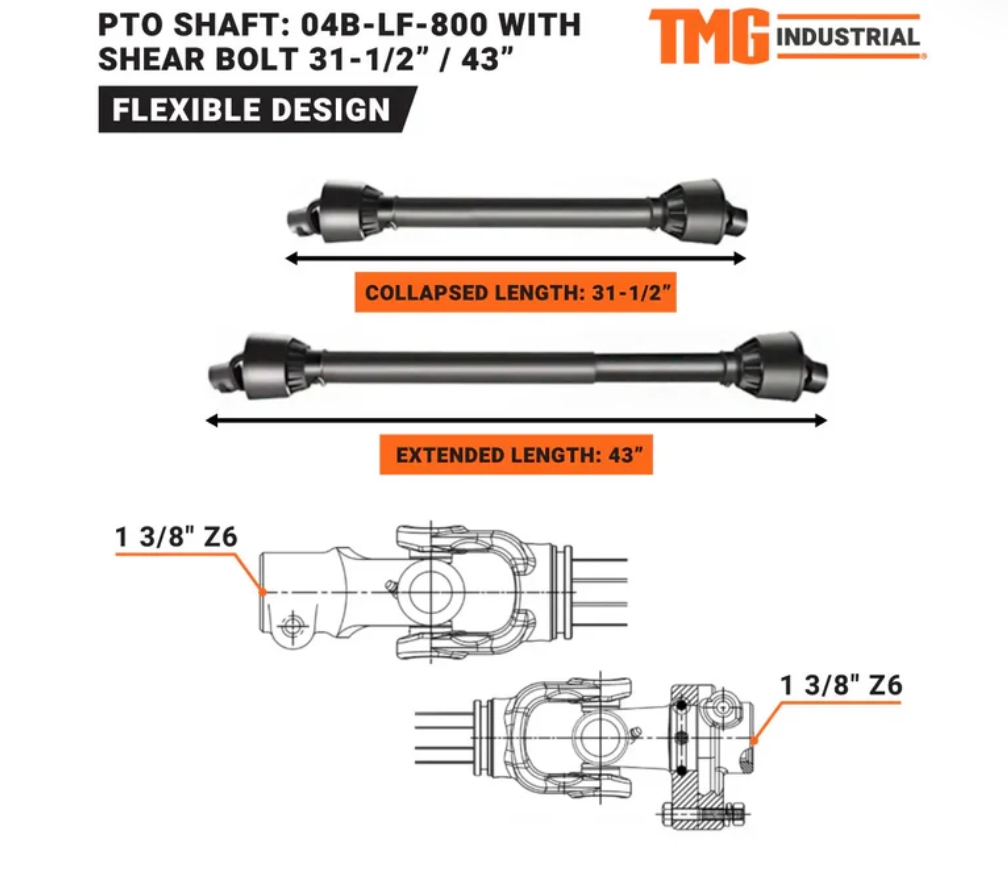
Selecting and operating a flail mower requires understanding equipment compatibility and performance requirements. Key factors include:
- Tractor horsepower rating and power take off compatibility
- Cutting width relative to operational area
- Blade type, such as hammer or Y-shaped blades
- Adjustable cutting height and rear roller configuration
Operators should match mower specifications with tractor capabilities to avoid mechanical strain and ensure consistent performance.
Factors Affecting Performance and Effectiveness
Several variables influence how effectively a flail mower performs in the field:
- Vegetation density and moisture content
- Ground conditions, including slope and uneven terrain
- Blade sharpness and maintenance frequency
- Travel speed and operator technique
Proper adjustment and regular inspection are necessary to maintain consistent cutting quality and reduce wear on components.
Safety Considerations and Best Practices
Safe operation of flail mowers requires adherence to established guidelines. Operators should receive proper training and follow equipment manuals closely.
- Inspect the mower before each use for loose or damaged parts
- Maintain safe distances from bystanders and structures
- Use appropriate personal protective equipment
- Disengage the power take off before performing maintenance
These practices reduce the risk of accidents and extend equipment lifespan.
Equipment Types, Tools, and Attachments
Flail mowers are available in various configurations to suit different applications. These include rear mounted units for tractors, offset models for roadside work, and heavy duty versions designed for brush clearing.
Additional tools and attachments may include:
- Hydraulic side shift mechanisms
- Interchangeable blade systems
- Reinforced housings for demanding environments
For reference, a typical mid range unit can be reviewed at the following resource: flail mower specification example.
Advantages and Limitations
Understanding both strengths and limitations is essential for proper equipment selection.
Advantages
- Improved safety due to reduced debris projection
- Even mulching and clean finish
- Adaptability to varied terrain and vegetation types
Limitations
- Higher initial cost compared to basic rotary mowers
- More complex maintenance due to multiple blades
- Reduced efficiency in very heavy woody material
Real World Applications
Municipal maintenance departments across the United States often use flail mowers for roadside vegetation control. In these environments, the reduced risk of thrown objects is critical for worker and public safety. Similarly, agricultural operators use flail mowers in orchards to manage crop residue and improve soil conditions through mulching.
Conclusion and Future Trends
Flail mowers have established a strong role in modern land management due to their balance of safety, efficiency, and adaptability. As environmental regulations and operational standards continue to evolve, equipment design is expected to focus on improved durability, reduced maintenance requirements, and integration with precision agriculture systems.
For professionals in grassland management and equipment procurement, understanding the principles and limitations of flail mowers supports better decision making and safer operations in the field.