



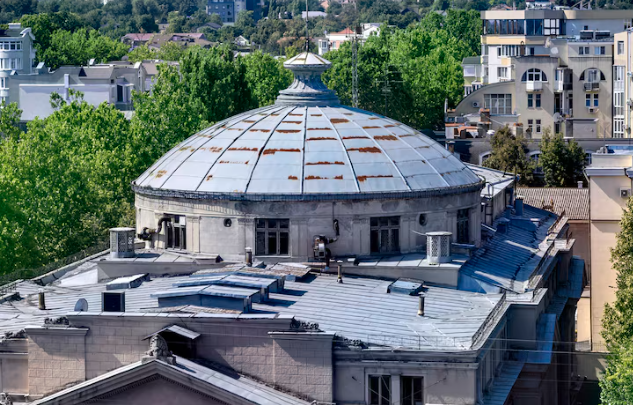
Introduction to Flat and Low-Slope Roofing
Flat and low-slope roofing systems are widely used in residential, commercial, and industrial construction due to their practicality, cost efficiency, and design flexibility. Unlike steeply pitched roofs, these systems feature a minimal incline that allows water to drain gradually while providing a usable surface area for various applications. Over the years, flat and low-slope roofing has become a preferred choice for modern architecture, especially in urban environments where space optimization and structural efficiency are important priorities.
These roofing systems are not truly “flat” in a literal sense; instead, they are engineered with a slight slope to facilitate drainage and prevent water accumulation. When properly designed and installed, they offer durability, energy efficiency, and ease of maintenance, making them a reliable solution for many building types.
Understanding the Structure and Function of Flat and Low-Slope Roofs
Flat and low-slope roofs are built using layered systems that work together to provide protection, insulation, and waterproofing. The basic structure typically includes a roof deck, vapor barrier, insulation layer, waterproof membrane, and protective surface layer. Each component plays a crucial role in ensuring the roof performs effectively under different environmental conditions.
The roof deck forms the base and provides structural support. Above it, insulation materials help regulate indoor temperature and improve energy efficiency. The waterproof membrane is one of the most critical elements, as it prevents water infiltration and protects the building from leaks. Finally, a protective layer shields the roof from UV radiation, weather damage, and physical wear.
Proper design is essential because even slight errors in slope calculation or drainage planning can lead to water pooling, which is one of the most common issues in these roofing systems.
Common Materials Used in Flat and Low-Slope Roofing
Several materials are used in flat and low-slope roofing systems, each offering different levels of durability, cost, and performance.
One of the most common materials is modified bitumen, which is known for its flexibility and resistance to temperature changes. It is often installed in multiple layers to enhance durability. Built-up roofing (BUR) systems are another traditional option that uses alternating layers of bitumen and reinforcing fabrics to create a strong, waterproof surface.
Single-ply membranes such as TPO (thermoplastic polyolefin), PVC (polyvinyl chloride), and EPDM (ethylene propylene diene monomer) have become increasingly popular due to their ease of installation and long lifespan. These materials are lightweight, energy-efficient, and highly resistant to weather damage.
Metal roofing systems are also used in low-slope applications, particularly in industrial buildings. They offer excellent durability and require minimal maintenance over time.
Each material has its own advantages, and the selection depends on climate conditions, budget, and building requirements.
Advantages of Flat and Low-Slope Roofing Systems
One of the primary advantages of flat and low-slope roofing is cost efficiency. These systems generally require fewer materials and less labor compared to steep-slope roofs, making them more affordable to install.
Another major benefit is the additional usable space they provide. Flat roofs can be used for HVAC installations, solar panels, rooftop gardens, or even recreational areas. This makes them highly valuable in commercial and urban residential settings where space is limited.
Maintenance is also easier on flat and low-slope roofs because the surface is more accessible. Technicians can walk on the roof safely to perform inspections, repairs, or cleaning without the need for specialized equipment.
Energy efficiency is another important advantage. Reflective roofing materials can reduce heat absorption, helping to lower cooling costs in hot climates. Combined with proper insulation, these systems contribute to improved indoor temperature regulation.
Challenges and Common Issues in Flat Roofing Systems
Despite their advantages, flat and low-slope roofing systems do come with certain challenges. One of the most common issues is water pooling. Because the slope is minimal, improper drainage can lead to standing water, which increases the risk of leaks and structural damage.
Membrane damage is another concern. Over time, exposure to UV rays, temperature fluctuations, and physical wear can cause cracks or punctures in the roofing material. If not addressed promptly, these issues can lead to water infiltration and insulation damage.
Thermal expansion and contraction can also affect roofing materials, especially in regions with extreme temperature variations. This can cause seams to weaken over time if the roof is not properly installed or maintained.
Regular inspections and timely maintenance are essential to prevent these problems from escalating.
Installation Process of Flat and Low-Slope Roofing
The installation of flat and low-slope roofing requires careful planning and skilled execution. The process begins with preparing the roof deck, ensuring it is clean, dry, and structurally sound.
Next, a vapor barrier is installed to prevent moisture from entering the insulation layer. Insulation boards are then placed to improve thermal performance and energy efficiency. After that, the waterproof membrane is applied using methods such as fully adhered, mechanically attached, or ballasted systems depending on the material used.
Sealing seams and edges is a critical step, as these areas are most vulnerable to leaks. Proper drainage systems, including internal drains or scuppers, are also installed to direct water away from the roof surface.
A well-installed flat roofing system can last for decades with proper maintenance.
Maintenance and Longevity of Flat and Low-Slope Roofs
Regular maintenance is essential to ensure the long-term performance of flat and low-slope roofing systems. Routine inspections help identify early signs of damage such as cracks, blisters, or standing water.
Cleaning debris from the roof surface and drainage systems prevents water buildup and reduces the risk of leaks. Small repairs, such as sealing minor cracks or replacing damaged membrane sections, can significantly extend the lifespan of the roof.
Most flat roofing systems can last between 15 to 30 years, depending on the material used and the level of maintenance performed. High-quality materials combined with proper care can further increase durability.
Preventive maintenance is always more cost-effective than major repairs or full roof replacement.
Energy Efficiency and Environmental Benefits
Flat and low-slope roofing systems contribute significantly to energy efficiency in buildings. Reflective roofing materials, often referred to as “cool roofs,” help reduce heat absorption by reflecting sunlight. This lowers indoor cooling requirements and reduces energy consumption.
In addition, these roofs are ideal for installing solar panels, making them a key component in renewable energy integration. Their large, unobstructed surface area provides optimal conditions for solar energy systems.
Green roofing systems, which involve vegetation layers installed on flat roofs, also offer environmental benefits. They improve insulation, reduce stormwater runoff, and enhance air quality in urban environments.
Technological Advancements in Modern Roofing Systems
Advancements in roofing technology have significantly improved the performance of flat and low-slope roofing systems. Modern membranes are more durable, flexible, and resistant to weathering than ever before.
Smart roofing systems equipped with moisture sensors can detect leaks early and alert property owners before major damage occurs. Infrared scanning technology is also used during inspections to identify hidden moisture beneath the roofing surface.
Improved adhesives and installation techniques have enhanced seam strength and reduced the risk of leaks. These innovations have made flat roofing systems more reliable and easier to maintain.
Cost Considerations in Flat and Low-Slope Roofing
The cost of installing and maintaining flat and low-slope roofing varies depending on materials, building size, and complexity of design. While initial installation costs are generally lower than pitched roofs, long-term maintenance must also be considered.
High-quality materials may require a higher upfront investment but often result in lower maintenance costs and longer lifespan. Energy-efficient roofing systems can also reduce utility expenses over time, providing additional financial benefits.
Labor costs depend on installation methods and accessibility of the roof. Regular maintenance expenses should be factored into the overall budget to ensure long-term performance.
Safety Considerations in Roofing Systems
Safety is a critical aspect of flat and low-slope roofing installation and maintenance. Because these roofs are easier to access, they are often used for equipment placement, which increases the importance of structural load assessment.
Proper safety measures, including fall protection systems and secure access points, are essential during installation and repair work. Waterproofing must be done carefully to prevent long-term structural damage that could compromise building safety.
Professional installation and maintenance are strongly recommended to ensure compliance with safety standards and building codes.
Conclusion: The Value of Flat and Low-Slope Roofing in Modern Construction
Flat and low-slope roofing systems offer a practical, efficient, and versatile solution for a wide range of building types. Their cost-effectiveness, usability, and compatibility with modern technologies make them a popular choice in both residential and commercial construction.
While they require proper design, installation, and maintenance to prevent common issues such as water pooling and membrane damage, their long-term benefits far outweigh the challenges. With advancements in materials, energy efficiency, and smart monitoring systems, flat and low-slope roofing continues to evolve as a reliable and sustainable roofing solution.
In modern architecture, these roofing systems are not just structural components but valuable assets that enhance functionality, energy performance, and overall building efficiency.