



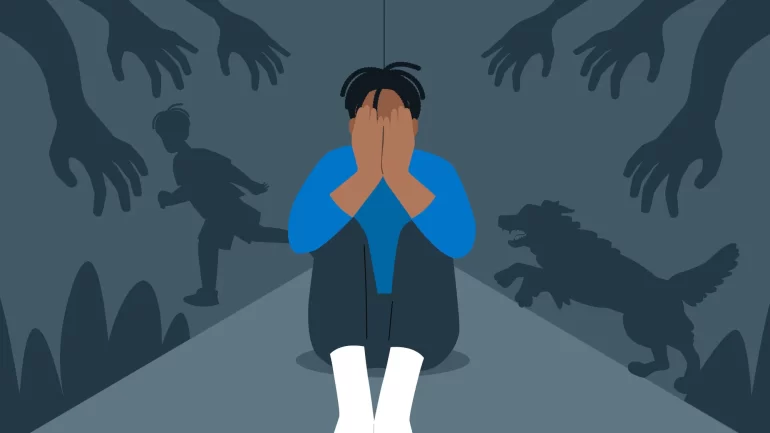
A night of entertainment often feels like the perfect way to unwind—whether it’s binge-watching action-packed series, diving into intense gaming sessions, or catching up on the latest blockbuster.
But what starts as relaxation can quietly turn into overstimulation, making it harder to fall asleep and stay asleep.
The challenge isn’t entertainment itself—it’s how and when we consume it. Striking the right balance between stimulation and rest is key to protecting your sleep quality without giving up the content you enjoy.
How High-Intensity Entertainment Affects Sleep?
1. Increased Alertness and Stress Response
Fast-paced scenes, suspenseful plots, and competitive gaming trigger your brain’s alert systems. This leads to elevated cortisol levels, keeping your body in a semi-stimulated state when it should be preparing for rest.
2. Dopamine and Mental Engagement
Entertainment is designed to keep you hooked. Cliffhangers, rapid scene changes, and constant rewards increase dopamine levels, making it difficult for your brain to “switch off” afterward.
3. Blue Light Exposure
Screens emit blue light that interferes with melatonin production—the hormone that regulates your sleep cycle. This can delay your ability to fall asleep, even if you feel tired.
4. Cognitive Carryover
After watching or playing something intense, your mind often keeps replaying scenes or scenarios. This mental activity prevents the calm state needed for deep, restorative sleep.
The Impact of Poor Sleep on Daily Life
When entertainment habits start affecting your sleep, the consequences show up quickly:
- Reduced concentration and slower thinking
- Increased irritability and stress levels
- Lower productivity and consistency
- Weakened physical recovery and immune response
Even small disruptions, when repeated nightly, can lead to long-term fatigue and burnout.
How to Balance Entertainment and Rest?
Set a Stimulation Cut-Off Time
Avoid high-intensity content at least 60–90 minutes before bed. This allows your brain to gradually transition into a relaxed state.
Shift Entertainment Earlier in the Evening
If you enjoy action movies or gaming, schedule them earlier rather than right before bedtime. This helps your body process the stimulation before sleep.
Choose Low-Stimulation Alternatives at Night
Replace intense content with calming options such as:
- Light-hearted shows or familiar series
- Reading non-thrilling material
- Listening to calm music or podcasts
Manage Screen Exposure
- Use blue light filters on devices
- Lower screen brightness at night
- Switch to warm lighting in your room
Avoid Binge-Watching Traps
Auto-play features and cliffhangers make it easy to watch more than planned. Set limits in advance and stick to them to protect your sleep schedule.
Building an Effective Night Routine
A structured wind-down routine helps signal your body that it’s time to rest. A simple approach includes:
- 10–15 minutes: quiet activities like reading or journaling
- 5–10 minutes: relaxation techniques such as deep breathing or stretching
- Environment adjustments: dim lights, reduce noise, and limit distractions
Consistency is key. Repeating the same routine each night trains your brain to associate these actions with sleep.
Can You Still Watch TV Before Bed?
Yes—but with adjustments. If you prefer watching something at night:
- Choose predictable, low-stress content
- Avoid genres like horror or thrillers
- Keep volume levels steady
- Limit viewing time
The goal is to reduce stimulation, not eliminate entertainment altogether.
Conclusion
Balancing entertainment and rest comes down to timing, awareness, and small habit changes. You don’t have to give up your favorite shows or games—you just need to create space between high stimulation and sleep.
By managing what you watch and when you watch it, you can enjoy your evenings while still getting the deep, restorative sleep your body needs to perform at its best.