


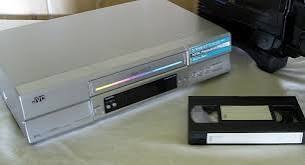
Action fandom has always been a community built around sharing. Bootleg tapes passed hand to hand, letterboxed imports ordered from catalogue ads, message boards arguing over which cut of a Hong Kong classic had the full finale intact. The instinct was never just to watch the film. It was to watch it with someone who cared as much as you did, and then to talk about the third-act fight for two hours afterwards.
That instinct has found a new home on live streaming, and it has produced some of the best genre criticism happening anywhere right now. It has also produced a familiar frustration: the people doing the best work on niche cinema are often the ones nobody can find.
The formats that actually took hold
Three formats have proven durable.
The reaction stream. Someone watches a film for the first time on camera while an audience that knows it by heart waits for specific moments. It sounds thin as a premise and it lives or dies entirely on the host. The good ones are not performing shock. They are noticing things, and the pleasure for the viewer is watching a real reaction land on a beat you have loved for twenty years.
The watch-along. The host runs a synchronised viewing with commentary, usually with a countdown so everyone presses play at the same time. This is the closest descendant of the old DVD commentary track, except the commentary is live and the chat is part of it. Martial arts cinema suits this format better than almost any genre, because so much of what makes a fight great is technical and invisible on a first pass. Somebody pointing out a hidden cut, a reused stunt performer or a change in camera speed genuinely improves the film for the audience.
The breakdown channel. Frame-by-frame analysis of fight choreography, stunt work and camera language. This is where former stunt performers, martial artists and editors have carved out real followings, because the expertise is unfakeable and the audience for it is starved.
There is a fourth category that matters less for discovery but a lot for community: the long, unstructured hangout stream where a host takes requests, digs through an obscure filmography and argues with chat about whether a particular direct-to-video title from 1997 has been unfairly dismissed. Nobody finds a channel through those. Everybody stays for them.
The rights problem nobody wants to talk about
Watch-alongs sit on awkward ground. Streaming a film to an audience is a straightforward copyright issue, and channels that have done it openly have been hit with strikes and takedowns. The workarounds are well known within the community: commentary-only audio with the viewer supplying their own copy, synchronised start times without showing the picture, or licensed watch-party features where a platform has actually secured rights for specific catalogues.
Anyone building a channel around genre cinema should decide early which side of that line they want to be on, because the alternative is building an audience on a foundation that can be removed by a single claim. Commentary-only is less immediately satisfying and considerably more survivable.
Why niche film channels are hard to find
Here is the structural issue. Live platforms sort channels by concurrent viewership within categories. If you stream a big current game, you are in a directory with hundreds of thousands of viewers browsing it, and even a low position on that list is in front of some traffic. If you stream martial arts film analysis, you are usually filed under a general talk category alongside an enormous volume of unrelated content, with no genre tag that a fan of Hong Kong action would ever think to browse.
So the audience exists, the content exists, and the sorting mechanism between them does not. That is the whole problem in one sentence, and it explains most of the frustration you hear from niche-cinema streamers who cannot understand why good work sits at zero viewers for months.
It also explains why a market has grown up around the gap. A range of paid services now sell metric inflation to small channels, and a viewer bot service will place a set number of viewers on a stream for a fee, on the logic that a channel showing activity ranks higher and gets seen by people scrolling a directory. The demand comes directly from the cold-start problem described above rather than from vanity.
The honest caveat: services of that kind run against the terms of service on every major streaming platform, and enforcement can mean stripped metrics, lost monetisation or a suspended account, so anyone weighing it up should understand they are risking the channel itself. For a genre channel where the entire value is a small, loyal, knowledgeable community, that is a meaningful thing to gamble.
What has actually worked for genre channels
The channels that have broken through in this space tend to share a few habits.
They treat the VOD as the product. The live stream is the recording session. The archived video, the clips and the cut-downs are what circulate. A ten-minute breakdown of a single fight sequence pulled from a three-hour stream will travel further than the stream ever did, and it points back at the channel. Genre fandom is heavily driven by clips because the good bits of action cinema are inherently clippable.
They schedule around the calendar. Anniversary screenings, new releases in a franchise, the death of a legendary performer, a restoration hitting a boutique label. Genre fandom has a real calendar, and being live and ready when a conversation is already happening is worth more than any amount of consistent posting into a quiet week.
They pick a lane narrow enough to be known for. “Action movies” is not a specialism. Eighties Filipino action productions, Japanese V-Cinema, the stunt teams of a particular era, a single director’s filmography: those are specialisms. Niche audiences are small but they are findable and they talk to each other, which is precisely what a broad audience does not do.
They collaborate constantly. Guesting on each other’s streams is the most reliable growth mechanism this corner of streaming has, and it costs nothing. Genre communities overlap heavily. A viewer who watches kung-fu breakdowns is very likely to watch spaghetti western breakdowns, and neither host loses anything by sharing.
They get the details right. This audience knows. Credit the stunt coordinator. Know which version you are watching and say so. Know when a performer did their own work and when they did not. Getting one of these wrong in front of an informed chat costs more credibility than a month of good streams earns.
The thing worth protecting
There is a version of this hobby that turns into metric-chasing, and it produces recognisable results: broader topics, safer picks, more reactions to whatever is currently popular, less of the obscure stuff that made the channel worth watching.
The reason genre fandom moved onto streaming so naturally is that the format rewards obsessive knowledge and real enthusiasm, which are exactly the two things the community already had in abundance. A host who has seen a film forty times and still notices something new is doing something no algorithm-optimised content strategy can replicate.
Small numbers are the normal condition of niche criticism and always have been. The fanzines that kept this genre’s history alive had circulations you could count. The people reading them went on to make films.
If you are running a channel like this, the honest advice is unglamorous: keep the archive tidy, cut the good bits into clips, turn up when the conversation is happening, and be the person in the room who actually knows the material. That last one is the only real advantage available, and unlike everything else in streaming, nobody can buy it.