



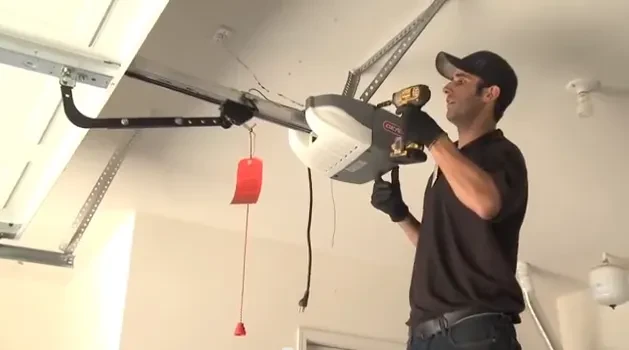
A reliable garage door opener is something most homeowners take for granted until it suddenly stops working. You press the remote, expecting the door to glide up smoothly, but instead, you hear a loud grinding noise, or worse, absolute silence. When your garage door motor starts acting up, you face a common dilemma: should you pay for a fix, or is it time to invest in a brand-new unit?
Making the right choice saves you time, prevents unexpected headaches, and keeps your home secure.
Common Garage Door Motor Issues
Garage door openers contain several moving mechanical and electrical parts. Over time, daily wear and tear can cause specific components to fail. Identifying the symptoms early can prevent total breakdown.
1. Unexpected Noises During Operation
While no motor is completely silent, sudden changes in noise levels signal trouble.
- Grinding sounds: Often indicate worn-out drive gears or drive belts.
- Rattling or banging: Points to loose internal hardware or a failing motor assembly.
- Squealing or straining: Suggests the motor is struggling under weight, often due to broken door springs rather than the motor itself.
2. Slower Than Usual Movement
If your garage door opens at a crawl or hesitates midway through its path, the motor might be losing power. Overworked capacitors, aging motor brushes, or friction within the rail assembly can force the opener to drag.
3. Intermittent or Non-Responsive Behavior
A motor that works fine one day and refuses to respond the next often suffers from wiring issues, a worn circuit board, or sensor interference. If fresh batteries in the remote control do not solve the problem, the fault likely lies within the receiver unit inside the motor housing.
4. The Motor Runs, But the Door Does Not Move
When you hear the motor running but the door remains completely still, the drive gear has likely stripped. Plastic drive gears are designed to wear out before the motor itself burns out, acting as a built-in safety measure.
Benefits of Timely Action
Addressing motor issues as soon as they arise offers clear operational and financial advantages:
- Lower Expenses: Fixing a minor issue early, such as replacing a worn gear or capacitor, prevents cascading failure that damages the motor unit permanently.
- Improved Home Security: A malfunctioning opener can fail to lock or close fully, leaving your garage and home vulnerable to intruders.
- Family Safety: Modern openers feature automatic reverse safety mechanisms. A failing motor can compromise these features, posing a hazard to children and pets.
- Extended Equipment Life: Proper care and prompt attention reduce strain on the entire door system, including tracks, cables, and springs.
Challenges in Diagnosing Opener Failures
Determining the root cause of a garage door failure is not always straightforward. Homeowners often face two main challenges during troubleshooting:
Misdiagnosing Spring Issues as Motor Problems
The motor does not lift the full weight of the garage door on its own. Torsion springs do most of the heavy lifting, while the motor simply directs the movement. When springs weaken or break, the motor must pull hundreds of extra pounds. This can make a perfectly healthy motor seem weak or broken. Always inspect the springs before assuming the motor has failed.
Complex Electronic Component Failures
Modern openers integrate circuit boards, wireless receivers, smart connectivity chips, and safety sensors. Isolating whether an issue stems from a faulty circuit board, a degraded wire, or signal interference requires specialised diagnostic tools.
When to Repair Your Garage Door Motor
In many situations, opting for professional garage door motor repair is the practical and economical choice. Repairs make sense when:
- The Opener Is Under 8 Years Old: Most quality garage door openers last between 10 and 15 years. If your unit is relatively young, replacing a worn component is usually worth the investment.
- The Fault Is Minor: Simple parts like drive gears, capacitors, safety sensors, or logic boards can be swapped out quickly without replacing the entire unit.
- The System Has Been Well Maintained: If you have serviced your garage door regularly, a single isolated component failure does not justify discarding the complete opener.
- The Brand Still Supports Parts: If replacement components are readily available from manufacturers, repairs remain simple and cost-effective.
When to Replace Your Garage Door Opener
There comes a point where repeatedly repairing an old motor costs more than buying a new one. Consider a full system upgrade under these circumstances:
- The Unit Exceeds 10 to 12 Years of Age: Older motors experience general mechanical fatigue. Once multiple parts start failing, continuous fixes become a money pit.
- Safety Features Are Outdated: Openers manufactured before the mid-1990s lack modern photo-eye safety sensors or rolling-code security technology. Upgrading ensures compliance with modern safety standards.
- Excessive Repair Costs: A simple rule of thumb: if a repair estimate costs more than 50% of a new opener setup, replacement provides far better long-term value.
- Frequent Breakdowns: If you find yourself scheduling repairs every few months, installing a new unit restores peace of mind and daily reliability.
- Need for Modern Features: Upgrading gives you access to battery backup systems, quiet belt-drive technology, soft start/stop operation, and remote smartphone monitoring.
If you are dealing with persistent mechanical issues or an outdated system, scheduling professional garage door repairs and motor placement ensures your entrance remains safe, smooth, and dependable.
Key Trends in Garage Door Motor Technology
Garage door openers have evolved significantly over the past decade. If you choose to replace your current unit, modern systems offer several noticeable upgrades:
Direct-Drive and Belt-Drive Quiet Systems
Traditional chain drives are notoriously loud. Modern belt drives use steel-reinforced rubber belts to operate smoothly and quietly. Direct-drive systems feature a motor that glides along the track itself, eliminating gears and chains entirely to minimise noise and mechanical wear.
Battery Backup Integration
Modern safety regulations in many regions now require or encourage built-in battery backup systems. These allow you to open and close your door during power outages, ensuring you are never locked out or trapped inside during emergencies.
Smart Connectivity and Security
Contemporary openers connect to home Wi-Fi networks, allowing real-time status alerts and remote access control via smartphone apps. Advanced rolling-code radio technology changes access codes with every press, preventing signal theft by prospective intruders.
Final Thoughts
Deciding whether to fix or upgrade your garage door motor comes down to the unit’s age, the frequency of issues, and total repair costs. While minor mechanical faults on newer units are simple to resolve with a quick part replacement, older units past their prime are better replaced with modern, energy-efficient models.