



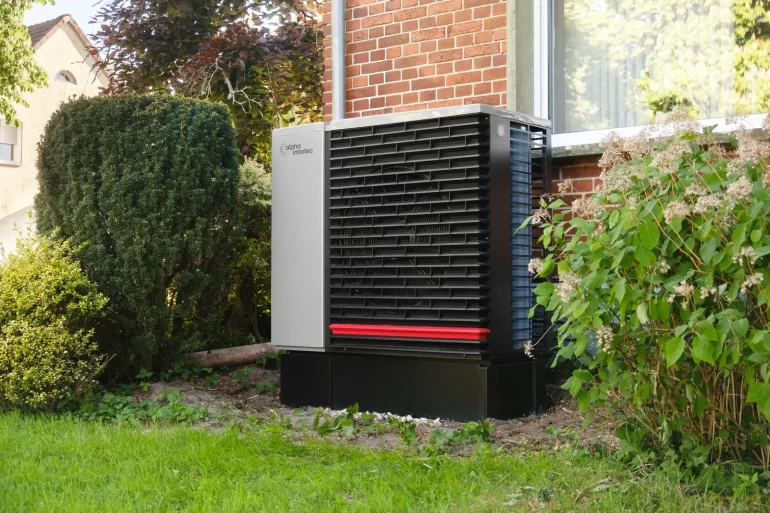
Heat pumps have earned a strong reputation as one of the most energy-efficient heating and cooling solutions available today. Homeowners across the globe are making the switch, drawn in by the promise of lower utility bills and reduced carbon footprints. Yet one question consistently surfaces before and after installation: how much electricity does a heat pump actually use? Understanding heat pump electricity consumption (wärmepumpe stromverbrauch) is not just a matter of curiosity—it directly shapes your energy budget, your comfort, and the long-term return on your investment.
The short answer is that electricity usage varies considerably from home to home. A standard residential heat pump typically consumes between 1,000 and 7,500 kilowatt-hours (kWh) per year, depending on climate, home size, system type, and how well it is maintained. That wide range reflects just how many variables are in play. This article breaks down each of those factors in clear, practical terms so you can better anticipate your costs and make smarter decisions about your system.
How Heat Pumps Use Electricity Differently Than Traditional Heaters
Traditional electric resistance heaters convert one unit of electricity directly into one unit of heat—a 1:1 ratio. Heat pumps work on an entirely different principle. Rather than generating heat, they move it. By extracting thermal energy from outdoor air, ground, or water and transferring it indoors, a heat pump can deliver two to five units of heat for every single unit of electricity consumed.
This efficiency ratio is measured by the Coefficient of Performance (COP). A COP of 3.5, for example, means the system delivers 3.5 kWh of heat for every 1 kWh of electricity used. According to the U.S. Department of Energy, modern air-source heat pumps can reduce electricity consumption for heating by approximately 50% compared to electric resistance heating systems. That efficiency advantage is the foundation of the heat pump’s appeal—but it is not fixed. Several real-world factors cause efficiency to rise and fall throughout the year.
What Factors Have the Greatest Impact on Heat Pump Energy Consumption?
Outdoor Temperature and Climate Zone
Temperature is the single most influential variable in heat pump electricity use. Air-source heat pumps extract heat from outdoor air, and as outdoor temperatures drop, the process becomes harder and less efficient. A system operating at 45°F (7°C) will perform at a higher COP than the same system working at 15°F (-9°C).
In mild climates, such as those found across the Pacific Northwest or parts of Western Europe, heat pumps maintain high efficiency year-round. In colder regions, efficiency dips during winter peaks, and supplemental electric resistance heating may activate—sharply increasing consumption for short periods. Modern cold-climate heat pumps are engineered to operate effectively at temperatures as low as -15°F (-26°C), but even these systems use more electricity as temperatures fall.
Home Insulation and Air Sealing Quality
A heat pump’s job is to maintain a target indoor temperature. Poor insulation means the system must work harder and run longer to compensate for heat loss. According to the U.S. Environmental Protection Agency (EPA), homeowners can save an average of 15% on heating and cooling costs—or around 11% on total energy costs—simply by air sealing and adding insulation.
A well-insulated, tightly sealed home reduces the load placed on the heat pump, lowering both runtime and electricity consumption. Before calculating projected energy use, it is worth auditing your home’s thermal envelope. Attic insulation, wall insulation, window quality, and draft sealing all contribute to how efficiently your heat pump performs.
Heat Pump Type and System Size
Not all heat pumps consume electricity at the same rate. The three most common types each have distinct consumption profiles:
Air-source heat pumps are the most widely installed. They are relatively affordable and perform well in moderate climates, though their COP declines in extreme cold.
Ground-source (geothermal) heat pumps draw from the earth’s stable subsurface temperature, typically between 45°F and 75°F (7°C–24°C) depending on location. Because the ground maintains a consistent temperature year-round, geothermal systems achieve higher and more stable efficiency—COP values commonly range from 3.0 to 5.0. The tradeoff is a significantly higher upfront installation cost.
Water-source heat pumps extract heat from a nearby body of water. Like geothermal systems, they benefit from a stable heat source, but they are only viable where an appropriate water source exists.
System sizing also matters. An oversized heat pump cycles on and off frequently without completing full heating or cooling cycles—a pattern known as short-cycling—which reduces efficiency and increases wear. An undersized system runs almost continuously, driving up electricity use without ever fully meeting demand. Proper sizing, based on a Manual J load calculation performed by a qualified technician, is essential.
Thermostat Settings and Usage Behavior
How a household uses its heat pump has a direct and measurable effect on electricity consumption. Setting the thermostat to 70°F (21°C) rather than 68°F (20°C) may seem minor, but maintaining higher indoor temperatures in colder climates requires the system to work harder against a larger temperature differential.
The practice of dramatically lowering the thermostat at night and then cranking it back up in the morning—common with gas furnaces—does not translate well to heat pumps. These systems operate most efficiently when maintaining a steady temperature rather than recovering from large swings. Smart thermostats programmed with gradual setbacks, rather than abrupt drops, help maintain efficiency without sacrificing comfort.
System Age and Maintenance History
A heat pump that has not been serviced regularly will not perform at rated efficiency. Dirty air filters restrict airflow and force the system to draw more electricity to move the same volume of air. Refrigerant leaks reduce the system’s ability to transfer heat effectively. Coil fouling, worn bearings, and degraded insulation on refrigerant lines all chip away at COP over time.
Annual professional maintenance—which typically includes coil cleaning, refrigerant level checks, and electrical component inspection—keeps the system running close to its designed efficiency. Filters should be checked monthly and replaced every one to three months depending on usage and household conditions.
How Much Electricity Does a Heat Pump Use Per Month?
Average monthly electricity consumption depends heavily on the factors discussed above, but some general benchmarks offer a useful starting point. A well-insulated 1,500 square foot home in a moderate climate might see a heat pump consume between 500 and 1,500 kWh per month during peak heating season. Larger homes, colder climates, or older systems can push that figure considerably higher.
The Seasonal Energy Efficiency Ratio (SEER) and Heating Seasonal Performance Factor (HSPF) ratings on heat pumps provide standardized efficiency measurements. A higher SEER rating (relevant in cooling mode) and a higher HSPF rating (relevant in heating mode) both indicate better energy efficiency. The U.S. Department of Energy’s minimum HSPF requirement for new heat pumps is 8.2, while high-efficiency models can reach 13 or above.
Frequently Asked Questions About Heat Pump Electricity Use
Does a heat pump use a lot of electricity compared to a gas furnace?
Heat pumps use electricity exclusively, while gas furnaces burn natural gas. On a cost-per-unit-of-heat basis, the comparison depends on local electricity and gas prices. In many regions, the heat pump’s superior efficiency offsets the higher cost per kWh of electricity compared to gas.
Does a heat pump use more electricity in winter or summer?
Most systems draw more electricity during the heating season, particularly when temperatures fall below the heat pump’s optimal operating range and supplemental heating activates.
Can solar panels offset heat pump electricity consumption?
Yes. Pairing a rooftop solar system with a heat pump is one of the most effective ways to reduce net energy costs. Homes with adequate sun exposure can significantly reduce or eliminate their grid electricity use for heating and cooling.
How does a dual-fuel system affect electricity consumption?
A dual-fuel system pairs a heat pump with a gas furnace backup. The heat pump handles most of the heating load, while the gas furnace takes over when outdoor temperatures fall below a set threshold. This approach can reduce electricity consumption during the coldest periods.
Making the Most of Your Heat Pump’s Efficiency
Reducing heat pump electricity consumption is not about sacrifice—it is about alignment. Matching the right system to your home’s size and climate, maintaining it consistently, and using it with an understanding of how it operates all compound into meaningful savings over time. A heat pump running in its efficiency sweet spot year after year will outperform even the most powerful traditional heating system on both cost and environmental impact. Small adjustments in how you manage your system today can translate into thousands of dollars saved across the lifetime of the equipment.