



Few things are as annoying as the persistent buzz of a house fly circling your kitchen. These tiny uninvited guests are more than just a nuisance — they carry bacteria, contaminate food, and can make even the cleanest home feel unhygienic. If you’ve ever wondered why house flies keep invading your space and how to get rid of them for good, you’re in the right place.
In this comprehensive guide, we’ll explore everything you need to know about house flies, why they’re attracted to your home, the health risks they pose, and — most importantly — proven strategies to clean your home from house flies and keep them out permanently.
What Are House Flies?
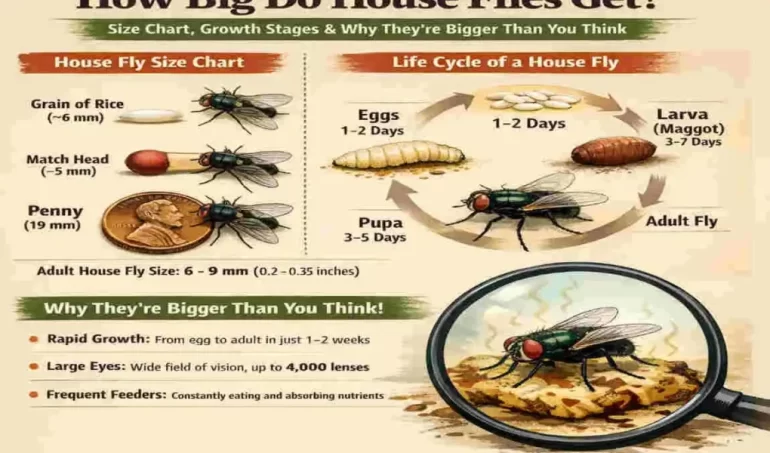
The common house fly, scientifically known as Musca domestica, is one of the most widespread insects on the planet. Found on every continent except Antarctica, these pests have been living alongside humans for thousands of years. An adult house fly is typically 6 to 7 millimetres long, grey in colour, and has four dark stripes running along its thorax.
House flies don’t bite, but that doesn’t make them harmless. They feed by landing on food or waste, regurgitating digestive enzymes onto the surface, and then sucking up the liquefied result. This feeding process is what makes them such effective carriers of disease.
Key facts about house flies:
- A single female house fly can lay up to 500 eggs in her lifetime.
- Eggs hatch into larvae (maggots) within 12 to 24 hours.
- The full life cycle from egg to adult takes just 7 to 10 days in warm conditions.
- An adult house fly lives for approximately 15 to 30 days.
- House flies can travel up to 8 kilometres from where they were born.
Their rapid reproduction rate means that a small problem can become a full-blown infestation in a matter of weeks if left unchecked.
Why Are House Flies Attracted to Your Home?
Understanding what draws house flies indoors is the first step toward eliminating them. House flies are attracted to your home for several specific reasons:
- Food Sources
House flies are drawn to almost any organic matter. Uncovered fruit bowls, leftover food on countertops, pet food dishes, and even crumbs on the floor act as open invitations. They are particularly attracted to sweet, fermenting, or decaying food.
- Waste and Rubbish
Overflowing bins, compost containers without lids, and food waste left in sinks provide ideal feeding and breeding grounds for house flies. The smell of decomposing organic matter is irresistible to them.
- Moisture
House flies need moisture to survive and breed. Leaky taps, standing water in plant trays, damp mops, and wet kitchen sponges all create environments that attract flies.
- Warmth
Flies are cold-blooded insects, meaning they’re more active in warm conditions. During the warmer months — particularly from late spring through early autumn — house flies seek the warmth and shelter of your home.
- Open Entry Points
Doors left ajar, windows without screens, gaps around pipes, and cracks in walls all serve as entry points. Even the brief moment you open a door to step outside is enough for a fly to slip in.
Health Risks Associated with House Flies
House flies are not just irritating — they are genuine health hazards. Because they breed and feed on faeces, rotting food, and garbage, they pick up pathogens on their legs and bodies that are then transferred to every surface they land on.
Diseases linked to house flies include:
- Salmonella — causing food poisoning with symptoms like diarrhoea, fever, and stomach cramps.
- E. coli — potentially leading to severe gastrointestinal illness.
- Cholera — a serious infection that causes extreme dehydration.
- Typhoid fever — a bacterial infection that can be life-threatening.
- Dysentery — an infection of the intestines resulting in bloody diarrhoea.
- Tuberculosis — though less common, flies have been shown to carry the bacteria.
Studies have found that a single house fly can carry over 1 million bacteria on its body. Every time a fly lands on your kitchen worktop, your plate of food, or your child’s highchair tray, it potentially deposits harmful microorganisms.
This is exactly why learning how to clean your home from house flies is not just about comfort — it’s about protecting your family’s health.
How to Clean Your Home from House Flies: A Step-by-Step Approach
Getting rid of house flies requires a combination of sanitation, exclusion, and targeted control methods. Here’s a thorough, practical guide:
Step 1: Deep Clean Your Kitchen
The kitchen is the number one hotspot for house flies. Start by:
- Wiping down all surfaces with a disinfectant cleaner, paying special attention to countertops, stovetops, and dining tables.
- Cleaning behind appliances like the cooker, fridge, and microwave where food debris accumulates unnoticed.
- Washing dishes immediately after meals rather than leaving them in the sink.
- Emptying and cleaning your kitchen bin daily, and using a bin with a tight-fitting lid.
- Scrubbing your sink and drain with a mixture of baking soda and vinegar to eliminate organic build-up that attracts flies.
Step 2: Manage Food Storage Properly
- Store all fruit in the refrigerator or in sealed containers rather than leaving it exposed on the counter.
- Keep bread, biscuits, and snacks in airtight containers.
- Cover pet food bowls when not in use and clean up any spilled pet food promptly.
- Ensure your pantry is clean and free of spilled grains, sugar, or flour.
Step 3: Address Moisture Issues
- Fix any leaky taps or pipes immediately — even a slow drip creates an attractive water source for flies.
- Empty plant saucers regularly and avoid overwatering indoor plants.
- Replace damp kitchen sponges and cloths frequently.
- Ensure your bathroom is well-ventilated to prevent excess moisture.
Step 4: Seal Entry Points
- Install fly screens on windows and doors, especially those you like to keep open during warmer months.
- Use door sweeps on exterior doors to close gaps at the bottom.
- Seal cracks and gaps around windows, pipes, and vents with caulk or weatherstripping.
- Consider using a magnetic fly screen door for easy access while keeping flies out.
Step 5: Manage Outdoor Waste
- Keep outdoor bins at a distance from doors and windows.
- Ensure all outdoor bins have secure, tight-fitting lids.
- Clean bins regularly with hot soapy water to remove residue.
- If you compost, use a sealed compost bin and turn the compost regularly to speed up decomposition.
Step 6: Clean Up After Pets
- Remove pet waste from the garden promptly, as it is a major breeding ground for house flies.
- Wash pet bedding regularly.
- Keep litter trays clean if you have indoor cats.
Natural and Chemical Methods to Repel and Eliminate House Flies
Once your home is clean, you can reinforce your efforts with these additional measures:
Natural Remedies:
- Apple cider vinegar trap — Fill a jar with apple cider vinegar, add a few drops of washing-up liquid, and cover with cling film poked with small holes. Flies are drawn in but can’t escape.
- Essential oils — Peppermint, eucalyptus, lavender, and lemongrass oils are natural fly repellents. Add a few drops to a spray bottle with water and spritz around windows and doors.
- Herbs and plants — Basil, mint, rosemary, and marigolds planted near doorways and windows naturally deter flies.
- Cloves and citrus — Push whole cloves into halved lemons or oranges and place them in rooms where flies are a problem.
Commercial Solutions:
- Fly paper strips — An old-fashioned but effective method. Hang them in areas with high fly activity.
- Electric fly zappers — UV light traps that attract and electrocute flies. Best used in garages, utility rooms, or covered outdoor areas.
- Fly sprays — Use pyrethrin-based sprays for a quick knockdown, but avoid spraying near food preparation areas.
- Residual insecticides — Applied around windows and door frames, these provide longer-lasting protection.
Preventing House Flies from Returning
Prevention is always better than cure. Once you’ve cleaned your home from house flies, maintain these habits to ensure they don’t return:
- Establish a regular cleaning schedule — Wipe down kitchen surfaces daily, mop floors weekly, and deep clean monthly.
- Take rubbish out every evening before going to bed.
- Keep windows and doors closed during peak fly activity hours (usually midday and early afternoon).
- Inspect your home seasonally for new gaps, cracks, or damaged screens that could allow entry.
- Act quickly — If you spot even one or two flies, take action immediately before they have a chance to breed.
When to Call a Professional
If you’ve followed all the steps above and still find yourself dealing with a persistent house fly problem, it may be time to call in professional pest control. A severe infestation — particularly one where you notice maggots or large clusters of flies — suggests a hidden breeding source that requires expert identification and treatment.
Professional pest controllers can identify entry points you may have missed, locate hidden breeding sites (such as inside wall cavities or beneath floorboards), and apply targeted treatments that are both safe and effective.
Conclusion
House flies are far more than a minor household annoyance. They are disease-carrying pests that thrive in unclean environments and reproduce at alarming rates. The good news is that with consistent effort — thorough cleaning, proper food storage, moisture control, sealed entry points, and smart use of natural and commercial repellents — you can clean your home from house flies and enjoy a healthier, more comfortable living space.
Keeping your home clean, well-maintained, and free from pests is part of a broader commitment to creating a comfortable and healthy living environment for your family.
If you’re looking for more expert advice on maintaining your home to the highest standard, Home Comfort Experts is an excellent resource worth bookmarking. Based in the UK, homecomfortexperts.co.uk provides a wealth of practical home improvement tips, plumbing advice, and kitchen décor ideas to help you keep every corner of your home in top condition. Whether you’re tackling a DIY plumbing repair, refreshing your kitchen design, or searching for home décor inspiration drawn from celebrity homes, Home Comfort Experts has you covered. They also offer valuable real estate information for those looking to buy, sell, or invest in property. From everyday maintenance to stunning interior design trends, Home Comfort Experts is your go-to destination for making your home the best it can be.
Stay proactive, keep your home clean, and those pesky house flies won’t stand a chance.