



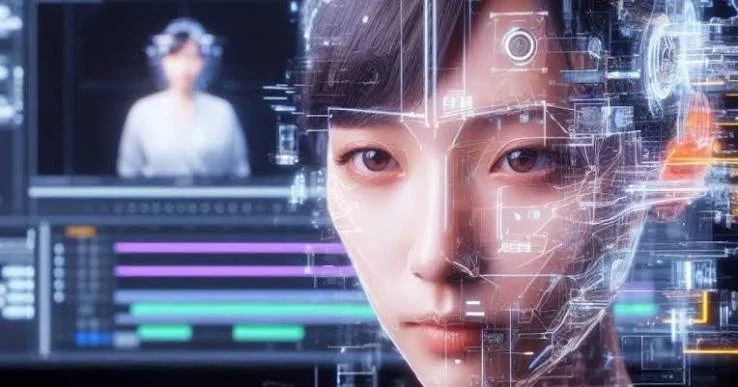
Action movies have always depended on strong visuals. A sharp trailer, a dramatic poster, a short promo clip, or a single memorable scene can build curiosity long before the full movie reaches an audience. For studios and independent creators, those marketing assets are no longer optional. They are part of how people discover films, characters, franchises, and entertainment brands.
In the past, creating those assets required larger production teams, long edit cycles, and expensive creative resources. Today, AI video tools are changing the early stages of creative planning. They are not replacing directors, editors, stunt teams, cinematographers, or performers. Instead, they are helping creative teams explore ideas faster, test visual directions earlier, and prepare stronger marketing concepts before full production begins.
Why Action Marketing Is Becoming More Visual
Action content has a unique challenge: it has to feel energetic before the audience knows the full story. A campaign may need to communicate speed, tension, danger, style, and character in only a few seconds. This is why trailers, teasers, motion posters, vertical clips, and short social edits have become so important.
A single action project may need multiple versions of the same creative idea. One version may work as a YouTube teaser, another as a vertical social clip, another as a paid ad, and another as a pitch visual for investors or collaborators. AI-assisted workflows can help teams test those variations without starting from scratch each time.
From Idea to Visual Concept Faster
The biggest advantage of AI video tools is speed at the concept stage. A filmmaker or marketer can begin with a simple creative brief: a chase scene, a dramatic character reveal, a futuristic city, a martial arts training sequence, or a product shown with cinematic movement. Instead of waiting for a full shoot or edit, teams can explore early visual directions and decide which ideas are worth developing further.
This is where AI video workflows from Keter Labs can support creative teams that need to move from campaign briefs and visual ideas into video-ready concepts. The goal is not to skip production quality. The goal is to make the planning stage more visual, more flexible, and easier to review.
Short-Form Clips Are Now Part of the Release Strategy
Movie marketing used to revolve around the official trailer, poster, press coverage, and release date. Those assets still matter, but audiences now discover entertainment through many smaller touchpoints. A behind-the-scenes clip, a short fight-scene preview, a character-focused teaser, or a visual concept clip can perform well across social platforms.
For action projects, short-form content can be especially powerful. Fast motion, dramatic lighting, sharp editing, and strong visual hooks can catch attention quickly. AI video tools can help teams explore different formats and creative directions before committing to a final campaign style.
Why Smaller Studios and Indie Creators Benefit
Large studios may have the budget to test many visual directions, but smaller teams often have to be more careful. Independent filmmakers, content creators, stunt performers, and niche entertainment brands may need proof-of-concept visuals before they can pitch, fund, or promote a project. AI-assisted creative workflows make this stage more accessible.
A creator can test whether a scene feels gritty, futuristic, realistic, comic-book inspired, or dramatic. A small marketing team can compare different visual ideas for a launch. A filmmaker can prepare mood boards, concept clips, and campaign directions before booking a major production step.
Human Taste Still Matters
AI tools are useful, but they do not replace creative judgment. Action storytelling still depends on pacing, emotion, character, choreography, sound, editing, and audience understanding. Generated visuals need to be reviewed carefully before they are used in public, paid, or client-facing campaigns.
Teams should check whether the concept fits the story, whether the motion style feels right, whether the visuals match the brand, and whether the asset is appropriate for the intended platform. AI can produce options, but humans decide which option has the right energy and meaning.
Connected Creative Workflows Matter
A video concept rarely exists alone. It may begin as an image, move into motion, become part of a poster, support a pitch deck, or turn into social campaign assets. This is why connected creative systems are becoming more useful than single-purpose tools.
Keter Labs AI creative tools are built around this kind of connected workflow, where teams can work across images, video, music, design assets, mockups, and creative production steps. For entertainment marketing, that can help keep ideas organized from early concept to campaign-ready assets.
Final Thoughts
AI video tools will not replace the impact of real stunt work, the emotion of a strong performance, or the eye of a skilled director. What they can do is make the early creative process faster, more visual, and easier to test.
For action movies and action-inspired content, that is a meaningful advantage. The genre depends on movement, tension, style, and memorable visuals. AI-supported workflows give creators more ways to explore those ideas before the final cut, while