



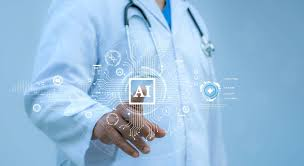
Artificial intelligence is no longer a futuristic concept in healthcare—it is already deeply embedded in the systems that support clinicians, administrators, and patients every day. While it rarely takes center stage in public discussions, AI is quietly transforming how care is delivered, documented, billed, and managed. In many ways, it has become the “silent hero” of modern healthcare, working behind the scenes to reduce burden, improve accuracy, and enhance patient outcomes.
From predictive diagnostics to automated billing workflows, AI is reshaping the foundation of healthcare operations. What makes this transformation especially powerful is that it is not replacing human expertise—it is amplifying it. Physicians can focus more on patients, administrators can reduce manual errors, and healthcare organizations can operate more efficiently than ever before.
The Invisible Shift: AI Moving from Support Tool to Core Infrastructure
For years, healthcare technology was seen as supportive infrastructure—electronic health records, billing systems, and scheduling tools that digitized existing processes. Today, AI has moved beyond simple digitization. It is now actively interpreting data, making predictions, and automating complex decision-making workflows.
One of the most significant changes is how AI handles structured and unstructured medical data. Clinical notes, lab reports, imaging results, and patient histories can now be analyzed in seconds. This enables faster diagnosis support, early risk identification, and more personalized treatment planning.
Healthcare platforms like those used in modern systems such as CureMD demonstrate how AI is being embedded into everyday clinical and administrative workflows without disrupting provider experience. Instead of forcing clinicians to adapt to technology, AI adapts to clinical behavior.
AI in Clinical Decision Support: Enhancing Accuracy and Speed
One of the most impactful applications of AI in healthcare is clinical decision support. These systems analyze patient data and provide real-time suggestions that help clinicians make more informed decisions.
For example:
- Identifying potential drug interactions
- Highlighting abnormal lab trends
- Predicting patient deterioration risks
- Suggesting preventive care measures
This does not replace physician judgment. Instead, it acts as a second layer of intelligence that reduces oversight and cognitive fatigue. In busy hospitals and private practices, where time is limited and patient loads are high, this support is invaluable.
AI-driven insights also reduce diagnostic delays, especially in complex cases where symptoms may not clearly point to a single condition. Over time, this leads to better outcomes and fewer medical errors.
Transforming Healthcare Administration Behind the Scenes
While clinical AI receives much attention, the real revolution is happening in administrative workflows. Healthcare administration is often where inefficiencies accumulate—billing errors, delayed approvals, documentation backlogs, and insurance complexities.
AI is addressing these issues at scale.
1. Automation of Routine Documentation
Natural language processing tools can now convert physician-patient conversations into structured clinical notes. This reduces the time doctors spend on documentation and improves accuracy.
2. Intelligent Scheduling Systems
AI can optimize appointment scheduling based on provider availability, patient urgency, and historical no-show patterns.
3. Revenue Cycle Optimization
AI plays a critical role in reducing claim denials and improving reimbursement timelines by detecting errors before submission.
Modern healthcare platforms increasingly integrate these capabilities into unified systems, ensuring that administrative tasks do not slow down clinical care delivery.
Care Coordination and the Rise of Intelligent Patient Management
One of the most overlooked but critical areas where AI is making an impact is care coordination. Patients with chronic conditions often require long-term, multi-provider care plans that involve constant communication between specialists, primary care providers, and support staff.
This is where modern Care Management Software powered by AI becomes essential.
These systems help:
- Track patient progress across multiple care settings
- Identify gaps in treatment plans
- Automate follow-ups and reminders
- Flag high-risk patients for early intervention
Instead of relying on manual tracking and fragmented communication, healthcare teams can now rely on AI-driven dashboards that provide a complete, real-time view of patient health.
This shift is especially important in managing chronic diseases such as diabetes, cardiovascular conditions, and respiratory illnesses, where consistent monitoring significantly impacts outcomes.
AI in Mental Health Services: Improving Access and Efficiency
Mental health care has historically faced challenges related to access, stigma, and administrative complexity. AI is helping reduce some of these barriers by streamlining operational processes and supporting clinicians in delivering more consistent care.
One of the most impactful improvements is in mental health billing services. Billing for behavioral health is often more complex than general medical billing due to varied session types, treatment plans, and insurance requirements.
AI-powered systems help by:
- Automating coding for therapy sessions
- Reducing claim rejections
- Ensuring compliance with payer rules
- Tracking reimbursement cycles in real time
Beyond billing, AI also supports mental health providers by identifying patterns in patient engagement and treatment adherence, helping clinicians adjust care plans more effectively.
This allows mental health professionals to spend less time on administrative burdens and more time focusing on patient care, which is critical in a field where human connection is central to outcomes.
Prior Authorization: One of Healthcare’s Most Complex Bottlenecks
Few administrative processes frustrate healthcare providers more than prior authorization. It is time-consuming, often inconsistent across payers, and a major cause of treatment delays.
AI is now being used to streamline prior authorization services by automating eligibility checks, form completion, and submission workflows.
AI systems can:
- Predict whether a procedure will be approved
- Pre-fill authorization forms using patient data
- Identify missing documentation before submission
- Track approval status in real time
This reduces delays in patient care and minimizes administrative workload for staff. In many cases, what once took days can now be completed in hours or even minutes.
The Role of Integrated Healthcare Platforms
One of the reasons AI is becoming so effective in healthcare is its integration into unified platforms rather than standalone tools. When clinical, administrative, and financial systems work together, AI can generate more accurate insights and automate workflows more effectively.
Healthcare technology ecosystems like CureMD demonstrate how AI can be embedded across multiple layers of healthcare operations—from electronic health records to revenue cycle management and care coordination. This integration ensures that data flows seamlessly across departments, reducing duplication and improving decision-making.
The real power of AI lies not in isolated features but in how it connects different aspects of healthcare delivery into a single intelligent system.
Challenges and Ethical Considerations
Despite its benefits, AI in healthcare is not without challenges. Data privacy, algorithm transparency, and bias in machine learning models are ongoing concerns.
Healthcare organizations must ensure:
- Patient data is securely stored and processed
- AI recommendations are explainable and auditable
- Algorithms are trained on diverse and representative datasets
- Clinicians retain final decision-making authority
AI should always support human judgment, not override it. Maintaining this balance is essential for safe and ethical adoption.
The Future: From Automation to True Intelligence
The next phase of AI in healthcare will move beyond automation into predictive and preventive care. Instead of reacting to illness, systems will anticipate it. Instead of managing data, AI will interpret health trends across populations.
We are moving toward a model where:
- Chronic diseases are predicted earlier
- Administrative burdens are nearly invisible
- Clinical workflows are fully optimized in real time
- Patients receive personalized care journeys
In this future, AI will not just support healthcare—it will actively shape it.
Conclusion
Artificial intelligence is quietly redefining healthcare from the inside out. It does not replace doctors, nurses, or administrators—it empowers them. By reducing administrative burden, improving diagnostic accuracy, and streamlining complex workflows, AI has become the silent hero of modern healthcare.
From Care Management Software that improves patient coordination, to innovations in mental health billing services and streamlined prior authorization services, AI is touching every corner of the healthcare ecosystem.
As these systems continue to evolve and integrate more deeply into platforms like CureMD and others, healthcare will become more efficient, more accessible, and ultimately more patient-centered than ever before.
About Author:
Nathan Bradshaw is a digital health and healthcare IT expert specializing in EHR, RCM, and practice management systems. With 10+ years of industry experience, he helps healthcare organizations bridge the gap between clinical care and technology. He regularly shares insights on AI in healthcare, operational efficiency, and the future of medical practice transformation.