



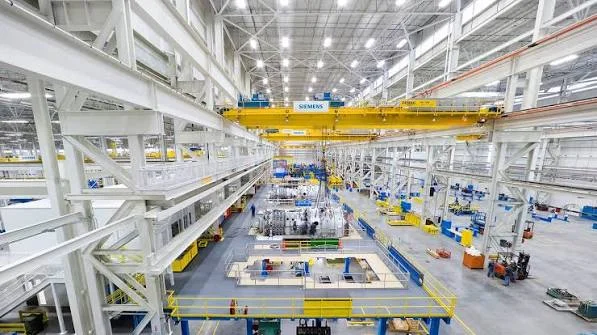
Modern automotive manufacturing is a highly coordinated process involving hundreds of individual tasks, specialised machinery, skilled workers, and carefully managed supply chains. From the arrival of raw materials to the final inspection of a completed vehicle, every stage must work together to keep production moving efficiently. Automotive plants are designed around consistency and precision, so a delay in one area can affect multiple stages further down the production line. Manufacturers therefore continually look for ways to improve productivity while maintaining quality, reliability, and safe working conditions.
From Components to Completed Vehicles
Automotive manufacturing begins long before a vehicle reaches the assembly line. Components such as metal panels, engines, electrical systems, glass, tyres, and interior parts must arrive at the facility according to carefully planned schedules. Large manufacturing plants can receive thousands of individual components every day, and these materials need to be inspected, sorted, stored, and delivered to the correct production areas at the appropriate time.
Efficient inventory management is essential to this process. Too much stock can take up valuable warehouse space and increase handling requirements, while insufficient components can interrupt production. Many automotive manufacturers now use digital inventory systems to track parts throughout the facility. Barcode scanners, automated storage systems, and real-time tracking provide teams with better visibility over incoming and outgoing materials, helping them maintain a steady flow of components.
The Role of the Assembly Line
The assembly line remains one of the defining features of automotive manufacturing. Rather than having individual workers build an entire vehicle from beginning to end, production is divided into specialised stages. Each station is responsible for specific tasks before the vehicle moves to the next part of the process. This approach allows employees to develop expertise in particular operations while helping manufacturers maintain consistent production times.
Modern assembly lines are also designed to be flexible. Many facilities can produce different vehicle models or configurations on the same line, allowing manufacturers to respond to changing customer demand without completely redesigning their production systems. Maintaining this flexibility requires careful scheduling and communication between departments, particularly when different models require different components or assembly procedures.
Automation and Robotics
Robotics have become an important part of modern automotive production. Automated systems can perform repetitive or highly precise tasks such as welding, painting, component placement, and material transportation. These machines can operate with consistent accuracy while reducing some of the physical demands associated with repetitive production work.
However, automation does not eliminate the need for people. Employees remain responsible for programming equipment, monitoring production systems, conducting inspections, performing maintenance, and handling tasks that require judgement or adaptability. The most effective facilities combine automation with human expertise, allowing technology to handle repetitive processes while workers focus on supervision, problem-solving, and quality control.
Managing Materials Efficiently
Moving components around a large automotive plant is a significant logistical challenge. Manufacturing facilities can contain extensive production floors with designated areas for raw materials, components, assembly stations, finished vehicles, and maintenance activities. Materials need to move between these locations without creating unnecessary congestion or interfering with production.
Forklifts, automated guided vehicles, conveyors, carts, and overhead systems are commonly used to transport products and components. Clearly defined routes and designated pedestrian areas help employees and equipment operate safely within the same facility. Production planners also consider the distance between storage areas and assembly stations when designing workflows, since reducing unnecessary movement can save time and make the working environment easier to navigate.
Worker Safety on the Production Floor
Automotive manufacturing involves a wide variety of workplace conditions. Employees may work around moving machinery, heavy components, electrical systems, tools, vehicles, and industrial equipment throughout their shifts. Safety procedures are therefore incorporated into everyday production activities rather than being treated as a separate responsibility.
Employees receive training covering equipment operation, emergency procedures, hazard awareness, and safe movement around production areas. Facilities may also use signs, barriers, floor markings, and controlled access zones to help employees understand where they can safely operate. For workers who spend much of their shift standing or walking around machinery and handling equipment, foot protection for industrial workers can form part of a broader approach to reducing everyday workplace risks.
Quality Control Throughout Production
Quality control is another important factor in keeping automotive production moving. Rather than waiting until a vehicle is completely assembled to identify problems, manufacturers conduct inspections throughout the production process. Employees and automated systems may inspect components for dimensions, alignment, surface defects, electrical performance, and other specifications.
Detecting problems early prevents defective components from progressing through multiple stages of production. This saves time and reduces the resources required to correct issues later in the process. Advanced cameras, sensors, and computerised inspection systems are increasingly used alongside human quality control teams, allowing manufacturers to identify even relatively small inconsistencies during production.
Maintenance Keeps Production Running
A modern automotive plant depends on thousands of pieces of equipment, from robotic arms and conveyor systems to specialised assembly tools. Even a relatively small mechanical problem can potentially interrupt an entire production line, making equipment maintenance an essential part of daily operations.
Preventive maintenance programmes allow technicians to inspect machinery regularly and replace worn components before they fail. Many facilities now also use predictive maintenance technologies to monitor equipment performance. Sensors can identify unusual vibration, temperature changes, or other indicators that a machine may require attention, allowing maintenance teams to address potential problems before they result in unexpected downtime.
Training and Employee Development
Technology continues to evolve, which means automotive workers must continually develop new skills. Employees may need training on automated machinery, digital production systems, quality control technologies, and updated safety procedures. Regular training helps workers remain comfortable with new equipment while ensuring they understand the correct procedures for operating within increasingly sophisticated manufacturing environments.
Cross-training can also provide greater flexibility. Workers who understand multiple production tasks can help cover different stations when staffing requirements change or unexpected issues occur. More importantly, training helps employees understand how their individual responsibilities affect the wider production process. A small delay or error at one station can potentially influence several other teams further down the line.
Improving Efficiency Through Data
Data plays an increasingly important role in modern automotive manufacturing. Production systems can collect information about output levels, equipment performance, quality issues, inventory movement, and downtime. Managers can analyse this information to identify bottlenecks and determine where improvements may be possible.
For example, if one production station consistently takes longer than others, teams can investigate whether equipment, staffing, layout, or workflow changes could improve performance. Real-time dashboards can also provide supervisors with immediate visibility into production conditions, allowing them to respond more quickly when problems occur rather than waiting for an issue to become more disruptive.
Sustainability and Modern Manufacturing
Automotive manufacturers are also placing greater emphasis on sustainability. Factories are introducing energy-efficient equipment, improved waste management systems, renewable energy sources, and processes designed to reduce material consumption. Efficient production can support sustainability goals because reducing unnecessary movement, downtime, and waste often lowers resource consumption at the same time.
Some manufacturers are also exploring ways to reuse production materials and improve recycling processes throughout their facilities. These initiatives demonstrate that productivity and environmental responsibility do not necessarily have to work against each other. Better resource management can often contribute to both lower operating costs and reduced environmental impact.
The Future of Automotive Manufacturing
Automotive manufacturing will continue to change as electric vehicles, connected technologies, automation, and artificial intelligence become more prominent. Electric vehicle production introduces different manufacturing requirements, particularly around batteries and electrical systems, while advanced robotics and software systems are creating new opportunities for manufacturers to improve precision and flexibility.
Despite these changes, people will remain an important part of the industry. Employees will continue to oversee production, solve unexpected problems, maintain equipment, and make decisions that automated systems cannot always handle independently. The future of automotive manufacturing is therefore likely to involve an increasingly close relationship between skilled workers, automated machinery, and data-driven production systems.
Conclusion
Keeping an automotive manufacturing plant running smoothly requires coordination across every stage of production. From inventory management and assembly to quality control, maintenance, and employee training, each element contributes to the overall efficiency of the facility. Modern technology has transformed many aspects of automotive production, but successful manufacturing still depends on effective processes and skilled people.
As automotive plants continue to adopt automation, data-driven systems, and new production technologies, manufacturers will need to balance efficiency with worker safety and operational reliability. By continuously improving their processes and investing in both technology and their workforce, automotive manufacturers can maintain consistent production while creating environments where employees and advanced systems can work effectively together.