



Maintaining good health can feel like another job when life is already packed with work, family responsibilities, commuting, exercise and social plans. Dental care is particularly easy to push down the list because, when nothing hurts, it can seem as though everything is fine.
The problem is that many dental concerns develop quietly. Cavities, gum inflammation and enamel wear may progress for some time before they cause enough discomfort to attract attention.
Protecting your teeth does not require an elaborate routine, however. A few consistent habits, combined with appropriate preventive care, can go a long way towards keeping your mouth healthy without turning dental care into another complicated task.
Make the Basics Non-Negotiable
The most useful dental habits are also some of the simplest.
Brushing twice a day with fluoride toothpaste remains an important part of controlling plaque and protecting tooth enamel. Cleaning between the teeth is equally important because toothbrush bristles cannot effectively reach every surface.
The goal is consistency rather than perfection.
Someone who follows a straightforward routine every morning and evening is generally doing more for their teeth than someone who occasionally tries a complicated collection of dental products but does not maintain the habit.
A practical routine may include:
- Brushing thoroughly twice a day.
- Cleaning between the teeth once a day.
- Drinking water regularly.
- Limiting frequent exposure to sugary drinks and snacks.
- Replacing worn toothbrushes or brush heads.
- Paying attention to new pain, sensitivity or bleeding.
These habits take relatively little time, yet they address several of the most common factors associated with tooth decay and gum problems.
Stop Treating Dental Visits as Emergency Appointments
One of the easiest habits to fall into is only thinking about a dentist when something begins to hurt.
That approach can turn relatively minor dental problems into more complicated ones.
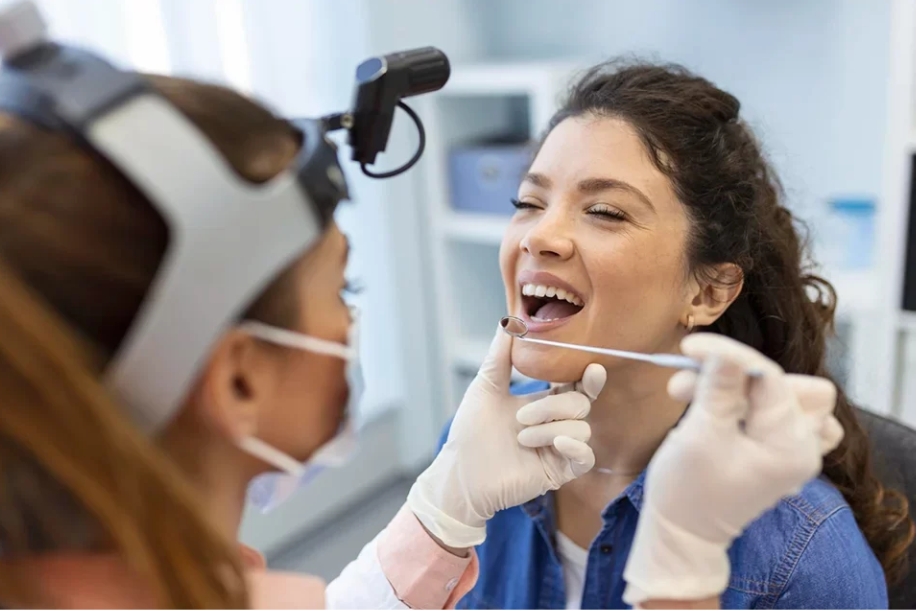
Routine examinations give dental professionals an opportunity to identify changes that patients may not be able to see or feel themselves. A small cavity, a deteriorating filling or early gum inflammation may be easier to address when it is found before significant symptoms appear.
Location and convenience can also influence whether people maintain those appointments. Someone living or working in the eastern part of Toronto, for example, may find it easier to stay consistent when they establish care with a nearby dentist in Scarborough rather than travelling across the city whenever an appointment is due.
The aim is not to visit a dentist constantly. It is to follow an appropriate schedule based on your own oral health and risk factors.
Do Not Underestimate Professional Cleaning
Brushing and flossing are extremely important, but they cannot accomplish everything.
Plaque can harden into tartar, also known as calculus. Once this occurs, it cannot normally be removed effectively with an ordinary toothbrush.
This is one reason professional dental cleanings remain an important part of preventive care. A dental hygienist can remove deposits from areas that are difficult to manage at home and assess how well a patient’s current hygiene routine is working.
Bright Smile Dental’s Scarborough cleaning service similarly describes cleaning as a way of removing hardened plaque that regular brushing cannot eliminate.
Professional cleaning should complement daily care rather than replace it. The strongest approach combines both.
Be Careful With Drinks You Sip All Day
Coffee often receives the blame for staining teeth, but from an oral health perspective, what is added to the drink and how frequently it is consumed can matter just as much.
A sweetened coffee consumed slowly throughout an entire morning repeatedly exposes the teeth to sugar. The same issue can occur with sports drinks, soft drinks, sweetened tea and energy drinks.
Each exposure gives bacteria in the mouth another opportunity to metabolize sugar and produce acids.
This does not mean that every sweet drink needs to disappear from your life. Changing the way you consume them can help.
Instead of sipping one continuously for several hours, try having it within a shorter period and drinking water afterwards. Water helps rinse away residual sugars and acids while supporting normal saliva production.
Frequent exposure is often the overlooked part of the equation.
Your Gym Routine Can Affect Your Teeth Too
Exercise is obviously beneficial for general health, but certain fitness habits deserve attention from a dental perspective.
Sports and energy drinks can contain substantial amounts of sugar or acid. Drinking them regularly when plain water would be sufficient can increase the teeth’s exposure to substances associated with enamel erosion and decay.
Dry mouth can also become an issue during intense exercise.
Saliva performs several useful functions, including helping neutralize acids and wash away food particles. Staying hydrated can therefore benefit the mouth as well as the rest of the body.
People participating in contact sports should consider dental protection too. A properly fitted mouthguard may reduce the likelihood or severity of injuries to teeth during activities where impacts and falls are possible.
Do Not Use Pain as Your Only Warning Sign
Tooth pain deserves attention, but it is not the only indication that something may require assessment.
Other changes worth noticing include:
- Bleeding gums that occur repeatedly.
- Increased tooth sensitivity.
- Persistent bad breath.
- A filling or crown that feels different.
- Pain while biting or chewing.
- Gum swelling or tenderness.
Sometimes these symptoms have relatively straightforward explanations. At other times they can indicate an underlying problem.
What matters is avoiding the habit of ignoring them for months because they are not severe enough to disrupt the day.
Dental issues tend to be easier to manage when investigated early.
Protect Your Teeth From Stress
Stress affects people in different ways, and one of those ways can involve the jaw.
Some people clench or grind their teeth, particularly while sleeping. The behaviour may occur without them realizing it until symptoms begin to appear.
Possible signs can include morning jaw soreness, headaches, worn tooth surfaces or teeth that become increasingly sensitive.
Anyone who suspects they may be grinding should mention it during a dental appointment. Depending on the situation, a dentist may examine the pattern of wear and discuss strategies for protecting the teeth.
Managing stress is valuable for many reasons, but protecting your teeth from repeated excessive force is one that is easy to overlook.
Healthy Teeth Make Eating Easier
Dental health is not separate from nutrition.
Strong, comfortable teeth allow people to chew a wide variety of foods. When a tooth becomes painful or damaged, people often begin adjusting their diet without even noticing.
They may avoid chewing on one side, skip hard vegetables, avoid certain proteins or choose softer foods because they are more comfortable.
Over time, untreated dental problems can therefore have practical consequences beyond the mouth.
If chewing suddenly feels different or a particular tooth consistently causes discomfort, it makes more sense to investigate the cause than continually change your eating habits to avoid it.
Cosmetic Goals Should Still Start With Oral Health
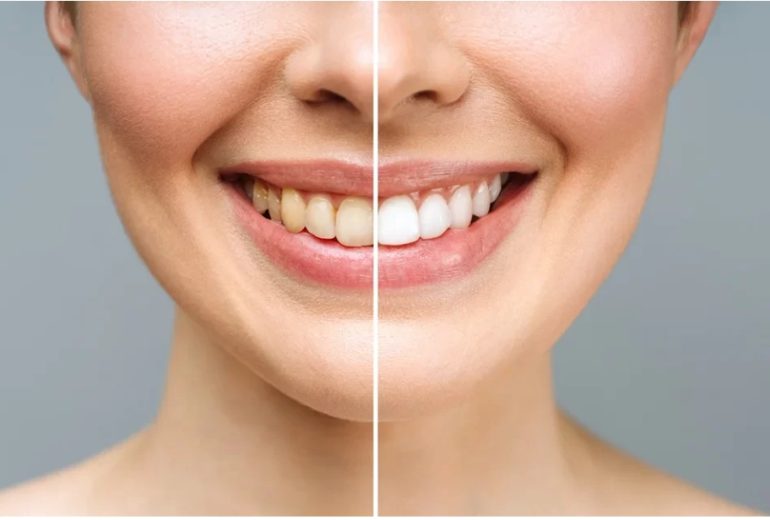
Interest in teeth whitening and other cosmetic dental treatments has grown considerably. A brighter or more even smile can certainly be important to someone’s confidence, but appearance should not replace health as the foundation of dental care.
Before pursuing cosmetic treatment, it can be useful to make sure that problems such as active decay or gum inflammation have been addressed.
Professional advice can also help patients distinguish between treatments that are appropriate for their teeth and approaches that may create unnecessary sensitivity or unrealistic expectations.
The objective should be improving a smile in a way that still respects long-term oral health.
Make Dental Care Fit Your Life
One of the reasons healthy habits fail is that people design routines that are unrealistic.
The same applies to oral care.
You do not need twenty different products or an hour-long morning routine. You need habits that are simple enough to maintain during busy weeks, holidays, travel and stressful periods.
Keep a toothbrush and floss where they are easy to reach. Book preventive appointments before they become urgent. Drink more water during the day. Pay attention when something changes.
Small decisions repeated consistently are often far more useful than dramatic efforts made only after a problem develops.
Prevention Is Usually Easier Than Catching Up
Adults are busy, and there will always be another deadline, appointment or responsibility competing for attention. That makes it tempting to treat oral health as something that can wait until life becomes quieter.
Life rarely becomes quieter.
A more realistic approach is to make basic dental care part of the routine you already have.
Brush and clean between your teeth consistently. Be sensible about sugar and acidic drinks. Protect your teeth during activities where injury is possible. Keep appropriate preventive appointments. Most importantly, do not wait for significant pain before paying attention to your mouth.
Healthy teeth are useful every day for eating, talking, smiling and simply getting through life comfortably. Maintaining them does not need to be complicated, but it does need to be consistent.