



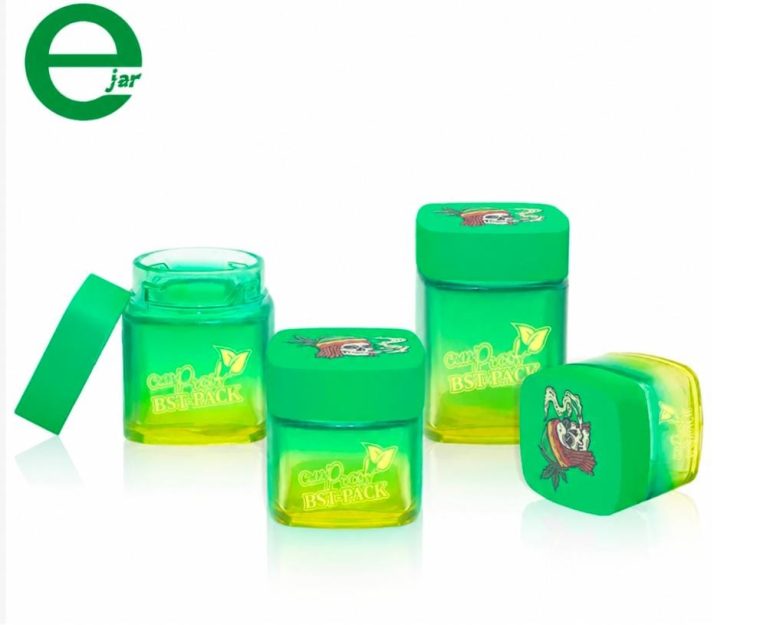
Over the past few years, the cannabis market has changed significantly. Product categories have expanded from relatively simple flower and pre-roll offerings to concentrates, edibles, and many more specialized formats. For brands, competition is no longer focused only on the product itself. Packaging, retail presentation, and supply efficiency are becoming increasingly important.
From an industry perspective, packaging is no longer just the final step before a product reaches the market. It now plays several roles at once, including compliance, protection, brand presentation, and supply chain management. This shift is pushing the cannabis packaging industry into a new stage of development.
1. Cannabis Packaging Is Entering a New Stage
In the early stages of the market, brands often focused first on basic packaging functions. These included whether the package was suitable for storage, whether it offered a child-resistant structure, and whether it could meet the regulatory requirements of the target market.
These factors are still important, but they are no longer the only considerations. Brands are now paying more attention to whether packaging can accommodate different SKUs, support retail presentation, and remain flexible between new product testing and later replenishment.
This means packaging is gradually evolving from a simple container into part of product development and supply chain planning. Many brands now begin considering package size, structure, and visual design before a product officially reaches the market.
2. More Product Categories Are Making Packaging More Complex
As product categories increase, a single brand may need to manage several packaging formats at the same time. Flower may be packed in glass or plastic jars, pre-rolls require tubes in different lengths, and concentrates often use small-capacity jars.
Each product has different requirements for capacity, opening style, and internal space. As a result, using one packaging format across an entire product line is becoming less practical.
This is also why weed packaging is becoming more systematic. Brands are no longer simply purchasing a jar or a tube. They are beginning to think about how different products can maintain a consistent brand identity while still meeting their individual functional needs.
3. Brands Are Looking for a Balance Between Standardization and Customization
Fully customized packaging can help a brand create stronger differentiation, but it can also bring higher MOQs, longer development cycles, and greater inventory pressure.
Standard packaging is easier to purchase and usually offers faster delivery. However, when many brands use the same basic structure, products can become harder to distinguish on the shelf.
For this reason, a more common approach is to keep a standard jar or tube structure while using different colors, lids, logos, labels, and surface finishes to create variation.
This approach is especially useful for brands with multiple SKUs. Keeping the base structure consistent can reduce purchasing complexity, while different visual treatments still give each product line its own identity.
4. Packaging Is Becoming Part of Retail Competition
Changes at the retail level are also driving packaging upgrades.
When more similar products appear on the shelf, the first thing consumers often notice is not the product itself, but the packaging around it. Color, shape, label design, and the opening experience can all influence a consumer’s first impression of a brand.
As a result, weed packaging is taking on a greater communication role. Packaging must not only tell consumers what is inside, but also help express the product’s positioning, whether that means premium, sustainable, youthful, or professional.
This does not mean packaging needs to become overly complex. In many cases, the most effective designs remain clear and practical while making brand elements easier to recognize.
5. Flexible Supply Is Becoming More Valuable
As the market moves faster, brands are also changing what they expect from packaging suppliers.
New product tests, seasonal launches, regional markets, and multiple SKUs often mean that brands do not want to commit to large packaging orders from the beginning. Many companies prefer to start with smaller runs and then increase order volumes based on actual sales performance.
This makes small-batch sampling, fast adjustments, reliable replenishment, and later-stage production capacity increasingly important.
From an industry perspective, suppliers such as EasyJars are responding to this shift by combining standard packaging options with appearance customization and scalable production support. For brands, this kind of flexibility can reduce inventory pressure while leaving more room to adjust new products.
6. The Next Competition May Be About Packaging Efficiency
In the future, competition in the cannabis packaging industry may not revolve only around price or the number of available products.
Brands are likely to pay more attention to whether packaging truly fits the product, supports brand presentation, meets compliance needs, and can be supplied reliably at different purchasing stages.
Standardization will continue to be an important way to control costs, while customization will remain a key tool for brand differentiation. The more important question will be how effectively brands can balance the two.
As the cannabis market continues to mature, packaging will increasingly connect product development, brand building, and supply chain efficiency. For brands, a packaging system that can quickly adapt to different SKUs and market changes may become an increasingly important foundation for future competition.