



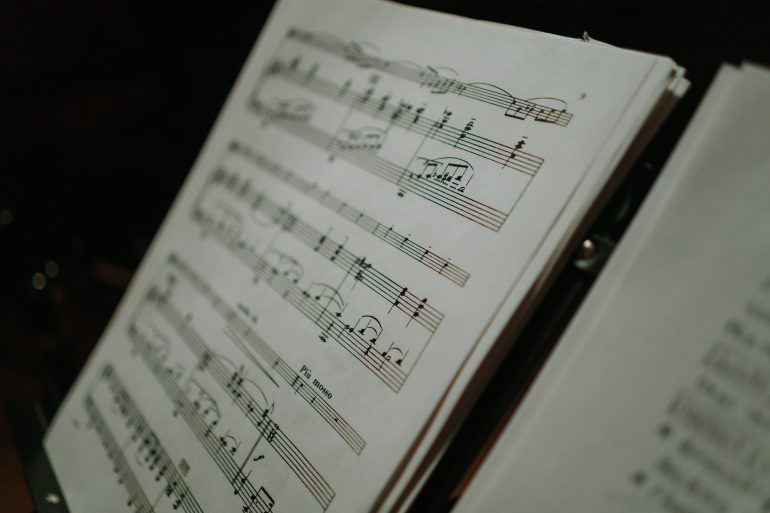
Something strange happens when a person creates something instead of simply consuming entertainment. Time slows slightly and attention becomes sharper. Even ordinary evenings begin feeling less repetitive after creative activities are added into daily routines.
Modern life keeps people mentally crowded almost constantly. Endless notifications compete for attention while streaming platforms fill every spare moment with content. Entertainment is available everywhere although emotional satisfaction is often missing afterward. Many people finish long scrolling sessions feeling drained instead of refreshed.
That exhaustion explains why creative entertainment is receiving renewed attention. Activities requiring participation are being chosen more often because passive entertainment no longer feels fulfilling all the time. Painting, photography, and writing create involvement instead of distraction. Focus becomes active and emotional energy shifts differently.
Creative hobbies also interrupt routines that feel too predictable. A small after-work activity can change the tone of an entire evening. Have quiet creative moments ever felt more restorative than hours spent online?
Entertainment becomes more meaningful when attention is fully present and not divided constantly between screens and notifications.
People Are Craving More Than Passive Entertainment
Passive entertainment asks very little from people. A screen is watched while attention drifts between messages, videos, and advertisements. Creative entertainment works differently because participation is required throughout the experience.
That difference explains why many adults are returning to hobbies they abandoned years ago. Stress levels remain high for many people and routines often feel emotionally repetitive. Activities requiring concentration create mental separation from daily pressure.
Music education is one example growing steadily among adults who want healthier routines and more meaningful leisure activities. After years spent balancing work responsibilities and digital overload, many people are now interested in finding music classes and lessons for adults, in particular, because learning an instrument creates focus, emotional release, and personal accomplishment at the same time.
Creative activities also provide something increasingly rare. Full attention is demanded naturally. Someone practicing piano after dinner experiences a different kind of mental engagement than someone endlessly watching short videos online. Another person attending a community art workshop may leave feeling calmer despite spending hours actively concentrating.
Mistakes become part of the process too. Progress happens gradually which creates stronger emotional investment. That patience feels refreshing in a culture obsessed with instant results and constant stimulation.
Would creative hobbies continue attracting adults if passive entertainment already felt emotionally satisfying? The growing popularity of community classes suggests otherwise.
Making Something Feels Different Than Watching Something
Creative entertainment creates emotional involvement because effort becomes part of the reward. Entertainment stops feeling disposable when something personal is produced from it.
Modern routines often encourage passive habits. Long workdays are followed by hours spent consuming content mindlessly. Creative hobbies interrupt that cycle because attention and participation are required continuously.
Several forms of creative entertainment are becoming especially popular:
- Pottery workshops
- Photography groups
- Community theater
- Creative writing classes
These activities encourage concentration while creating opportunities for interaction naturally. Shared effort changes the emotional experience completely.
For example, someone joining a beginner photography class may begin noticing details in daily surroundings that were ignored previously. Another person attending a local choir rehearsal may develop confidence gradually through consistent participation. Creativity changes observation and emotional awareness at the same time.
Personal expression also becomes important. Creative hobbies allow emotions and curiosity to be directed somewhere productive instead of remaining trapped inside stressful routines.
Entertainment feels more memorable when people participate actively instead of consuming endlessly.
Creative Activities Make Social Connection Feel Easier
Modern communication happens constantly although genuine connection often feels surprisingly limited. Group chats continue endlessly while meaningful interaction becomes harder to find.
Creative entertainment changes social dynamics because activities provide natural structure for interaction. Conversations develop more comfortably when attention is shared between people and the activity itself. Social pressure feels lower because focus is not placed entirely on performance.
Community based creative spaces are attracting more adults partly because loneliness remains widespread despite constant online communication. People want interaction that feels real and emotionally present.
For example, local painting workshops often become social routines for participants beyond the creative activity itself. Familiar faces and shared progress create comfort gradually. Another example may involve amateur theater groups where friendships develop naturally through rehearsals and collaborative effort.
Offline creative activities also encourage attention. Phones become less important when people are actively engaged in conversation and participation. Productivity increases. Have social gatherings ever felt emotionally disconnected because everyone remained focused on screens instead of each other?
Creative entertainment reminds people that meaningful connection usually develops through shared experiences and repeated interaction.
People Want Entertainment That Feels Meaningful Again
Entertainment habits are changing because emotional needs are changing too. Endless digital content no longer satisfies many people the way it once did. Passive entertainment fills time although deeper involvement is frequently missing afterward.
Creative hobbies provide meaning because attention, effort, and patience are required throughout the process. Entertainment becomes connected to growth, expression, and emotional focus instead of simple distraction.
Modern life creates constant mental noise and creative activities provide moments where attention becomes centered fully. Progress feels rewarding because improvement is earned slowly. Small accomplishments become emotionally memorable precisely because effort was required consistently.
People are not abandoning technology completely. Balance is simply becoming more important now because emotional exhaustion is being recognized more openly.
The bottom line? Creative entertainment improves daily life because active participation changes the way relaxation and focus are experienced. Entertainment becomes emotionally richer when attention is fully involved instead of scattered constantly across screens.
Modern routines often create mental fatigue through repetition and digital overload. Creative hobbies interrupt that cycle by encouraging concentration, self expression, and meaningful interaction. Emotional energy is restored differently when something personal is being created.
The growing interest in creative entertainment reflects something deeper than changing hobby trends. People want activities that make daily life feel more intentional, focused, and emotionally satisfying again.