



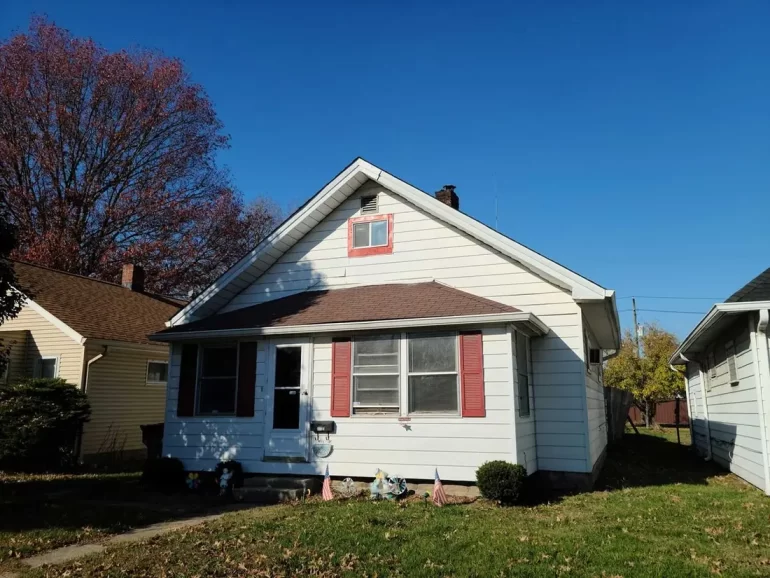
“Sell my house for cash in Charlotte, NC” used to sound like a red flag — a signal that something was wrong with the property or the seller. Today it’s a mainstream option that thousands of homeowners consider every year, whether they’re dealing with an inherited property, a job relocation, or a house that simply needs more work than they can afford. But most people who search that phrase don’t actually know what happens after they make the call. Here’s a clear look at what a cash home sale looks like from the first conversation to the closing table.
What “Selling for Cash” Actually Means
A cash sale means the buyer purchases the home outright, without financing it through a mortgage lender. Instead of relying on a bank to approve a loan, order an appraisal, and clear a list of conditions before closing, the buyer already has the funds available — usually because they’re an individual investor, a small investment company, or a house-flipping business rather than a family planning to move in themselves.
That single difference is what removes most of the delays baked into a traditional sale. There’s no lender underwriting file sitting on someone’s desk for three weeks, no appraisal contingency that can fall through if the home doesn’t appraise at the sale price, and no loan conditions that can collapse the deal two days before closing.
The Basic Steps in a Cash Sale
Cash sales tend to follow the same pattern no matter which company or investor is involved. First, the homeowner reaches out — usually through a phone call or a short form on a website — and shares basic details about the property and the situation prompting the sale. Second, the buyer schedules a walkthrough, either in person or sometimes virtually, to assess the home’s condition, layout, and any repairs it needs. Third, the buyer presents a cash offer, often within 24 to 48 hours of the walkthrough. Fourth, if the seller accepts, both sides sign a purchase agreement and the deal moves to a title company or closing attorney. Fifth, the title company confirms there are no liens or ownership issues, and the sale closes — commonly within 7 to 14 days, though a flexible closing date can usually be arranged if the seller needs more time.
Compare that to a traditional listing: photos, showings, open houses, offer negotiations, a financing contingency period that can run 30 to 45 days on its own, an appraisal, and a closing that’s frequently pushed back by lender delays. The cash process removes nearly every one of those steps.
How Cash Offers Differ From Financed Offers
A financed offer is conditional. It depends on the buyer’s loan being approved, the home appraising at or above the sale price, and the buyer’s own financial situation staying stable through underwriting. Any one of those can fall apart late in the process, sending the seller back to square one after weeks of waiting.
A cash offer generally isn’t conditional in the same way. Most reputable cash buyers will still want to verify the title is clear and that the property matches what was represented during the walkthrough, but there’s no lender in the loop who can reject the deal over an appraisal gap or a change in the buyer’s credit profile.
What You Give Up, and What You Gain
The honest trade-off is this: cash buyers typically offer less than a home might fetch on the open market, because they’re taking on the cost and risk of repairs, and because they need enough margin to resell or rent the property profitably. In exchange, the seller gets speed, certainty, and no obligation to spend money on repairs, cleaning, staging, or agent commissions before the sale.
For some homeowners, that math clearly favors a cash sale. A house that needs a new roof, has code violations, or comes with tenants who aren’t cooperating with showings can actually net a seller more money through a cash sale once repair costs, holding costs, and commissions are factored in — even though the sticker price of the offer looks lower on paper.
Who Typically Uses This Option
Cash sales tend to attract people in a handful of recurring situations: someone who inherited a house and doesn’t want to manage renovations from out of state, a landlord tired of dealing with a difficult tenant, a family going through a divorce who needs a clean, fast split of the proceeds, a homeowner facing foreclosure who needs to sell before the bank forecloses, or simply someone relocating for work who doesn’t have months to spare for a traditional listing.
It’s less common for someone to choose a cash sale purely to maximize price on a move-in-ready home in a hot neighborhood — in that scenario, a traditional listing with an agent usually nets more money, since there’s no urgent constraint pushing the seller toward speed over price.
Questions to Ask Before You Accept an Offer
Before signing anything, it’s worth asking a few direct questions: Can you show proof of funds? Are there any contingencies in this contract? Who pays closing costs? Can the closing date move if my plans change? And can I see reviews or references from people you’ve bought houses from before? A legitimate buyer will answer all of these without hesitation, and won’t pressure you to skip that step in the name of moving faster.
For homeowners across the Charlotte, North Carolina region weighing their options, working with an established local buyer like Travis Buys Homes can turn this process from theoretical into concrete — you can ask for a walkthrough of exactly how their offer and closing timeline works before you commit to anything.