



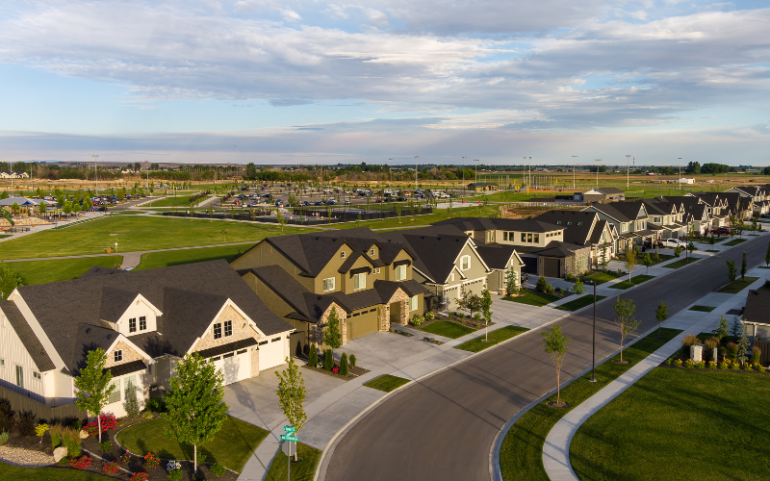
The Way People Choose Communities Has Changed
Homebuyers today often evaluate more than the layout of a house or the size of a backyard. Many are paying closer attention to how a neighborhood supports their daily lifestyle. This shift has increased interest in communities designed around convenience, recreation, wellness, and social interaction.
A master-planned neighborhood typically includes features that encourage residents to spend more time outdoors and engage with their surroundings. Walking trails, parks, gathering spaces, fitness areas, and recreational amenities are now viewed as part of everyday living rather than optional extras.
For many families, the appeal lies in having multiple activities and conveniences in close proximity to home. Parents appreciate neighborhoods where children can safely ride bikes, walk to parks, and participate in outdoor activities. Adults often value spaces that support exercise, relaxation, and opportunities to meet neighbors naturally.
As more buyers search for a new home community, developers have adapted by designing neighborhoods that focus on lifestyle alongside residential construction.
Community Design Influences Daily Routines
The physical layout of a neighborhood can shape how residents spend their time. Communities with connected sidewalks, trails, and green spaces encourage people to walk more often and remain active throughout the week.
In many older neighborhoods, recreation areas may feel disconnected from residential sections. Modern master-planned communities are designed differently. Amenities are typically integrated into the overall layout so residents can easily access parks, fitness centers, pools, and gathering areas without traveling far from home.
This approach creates a stronger connection between residents and their surroundings. People who regularly spend time outdoors in shared spaces are more likely to interact with neighbors and participate in community activities.
Families often notice these differences quickly after moving into a community designed around recreation and walkability. Evening walks, bike rides, and outdoor play become easier parts of the daily routine instead of occasional activities that require planning.
Recreation Amenities Support Active Living
Outdoor recreation has become one of the strongest selling points in residential development. Buyers searching for new construction homes frequently compare amenities before scheduling tours or visiting model homes.
Communities that offer trails, playgrounds, sports courts, pools, and fitness areas often attract residents seeking an active lifestyle. These amenities provide opportunities for exercise while also creating informal gathering places for neighbors.
Pickleball courts, for example, have become increasingly common in residential communities because they appeal to people of all ages. Families, retirees, and working professionals can all participate without extensive training or expensive equipment.
Fitness-focused amenities also encourage residents to maintain healthy habits. Many people are more likely to walk, exercise, or participate in outdoor activities when those opportunities are located close to home.
This convenience can influence how residents feel about their neighborhood over time. Communities that support recreation and outdoor living often create stronger emotional connections for homeowners.
Social Interaction Matters in Residential Communities
One challenge in many neighborhoods is that residents rarely interact beyond brief encounters. Master-planned communities often address this issue by creating shared spaces where people naturally gather.
Community events, recreation facilities, playgrounds, and outdoor seating areas all encourage social interaction without forcing formal participation. Residents may meet while walking trails, attending seasonal events, or spending time at recreational facilities.
These casual interactions help strengthen neighborhood relationships and create a greater sense of familiarity among residents. Families moving from other cities or states often appreciate communities where meeting people feels more natural.
Children also benefit from neighborhoods designed around outdoor activity and shared recreation spaces. Parks and sports areas create opportunities for friendships to develop within the community itself.
For many buyers, these social benefits are becoming nearly as important as the home itself. People increasingly want neighborhoods that feel active and connected rather than isolated.
Modern Buyers Continue to Prioritize Lifestyle
The demand for lifestyle-oriented neighborhoods continues to grow across Florida and other warm-weather states. Buyers relocating from colder regions often search for communities where outdoor recreation can remain part of everyday life year-round.
A thoughtfully designed new home community provides more than residential housing. It creates an environment where recreation, wellness, convenience, and social interaction become part of the overall living experience.
As developers continue to adapt to changing buyer preferences, master-planned communities are likely to remain highly attractive to families, retirees, and professionals seeking a more connected lifestyle.
Homebuyers searching for modern living opportunities in Parrish, FL, can explore how North River Ranch combines recreation, outdoor amenities, and neighborhood design to support active daily living.
What is a master-planned community?
A master-planned community is a large residential development designed with integrated amenities, such as parks, trails, recreation areas, and gathering spaces, that support everyday living.
Why do buyers prefer a new home community with amenities?
Many buyers value amenities because they support outdoor recreation, wellness, social interaction, and convenience close to home.
How do recreation amenities improve community living?
Recreation amenities encourage residents to spend more time outdoors, stay active, and interact with neighbors in shared spaces.
Are master-planned communities popular with families?
Yes. Families often prefer communities that provide parks, trails, playgrounds, and recreational activities that support an active lifestyle for both children and adults.