How Modern Kitchens Can Reduce Energy Consumption and Lower Utility Bills
Introduction
Modern kitchens are no longer designed only for convenience and appearance. As energy costs continue to rise, homeowners are increasingly looking for practical ways to reduce electricity usage and create more efficient living spaces. Since kitchens often contain multiple high-use appliances, small improvements in cooking habits, appliance choices, and kitchen design can make a noticeable difference over time.
Modern kitchens reduce energy consumption by combining advanced technology, efficient appliances, and smarter everyday practices that help minimize wasted power. Understanding how these changes work allows homeowners to make informed decisions that improve efficiency while supporting long-term savings and a more sustainable lifestyle.
Quick Energy-Saving Checklist for Modern Kitchens
Before making major upgrades, homeowners can reduce kitchen energy waste by following a few simple steps:
Choose energy-efficient appliances with better performance ratings.
Use cookware that matches the cooking surface size.
Maintain refrigerators, ovens, and other appliances regularly.
Reduce unnecessary standby power from unused devices.
Why Modern Kitchens Are More Energy Efficient Than Traditional Kitchens
Modern kitchens have become more energy efficient because appliance technology, kitchen design, and energy management systems have significantly improved. Traditional kitchens often relied on older appliances that consumed more electricity due to inefficient motors, limited temperature controls, and poor insulation. In contrast, modern kitchen equipment is designed to deliver better performance while using less energy during daily operation.
One of the biggest improvements is the development of smarter appliances that can adjust their operation based on actual usage. Refrigerators now use advanced cooling systems, ovens provide more accurate temperature control, and cooking appliances are designed to transfer heat more efficiently. These improvements reduce unnecessary energy loss and help homeowners manage electricity consumption more effectively.
Kitchen layouts have also evolved to support efficiency. Better appliance placement, improved lighting options, and modern ventilation systems can reduce wasted energy while making daily tasks easier. Instead of focusing only on appearance, energy-efficient kitchen designs consider how every component works together to create a more practical and sustainable space.
How Energy-Efficient Kitchen Appliances Help Reduce Electricity Usage
Kitchen appliances are among the largest contributors to household energy consumption, which makes efficiency an important consideration when upgrading or replacing equipment. Energy-efficient appliances are designed to complete everyday tasks while using less electricity compared with older models.
Refrigerators are a major focus because they operate continuously throughout the year. Features such as improved insulation, efficient compressors, and better temperature management help maintain cooling performance without unnecessary energy use. Simple practices, such as keeping refrigerator seals clean and avoiding frequent door opening, can further improve efficiency.
Cooking appliances also play an important role in reducing energy waste. Modern ovens and cooking systems often provide better heat distribution, faster cooking performance, and more accurate temperature control. These improvements allow food to cook effectively while minimizing wasted energy during operation.
Does Induction Cooking Increase Electricity Consumption? Understanding Energy Use
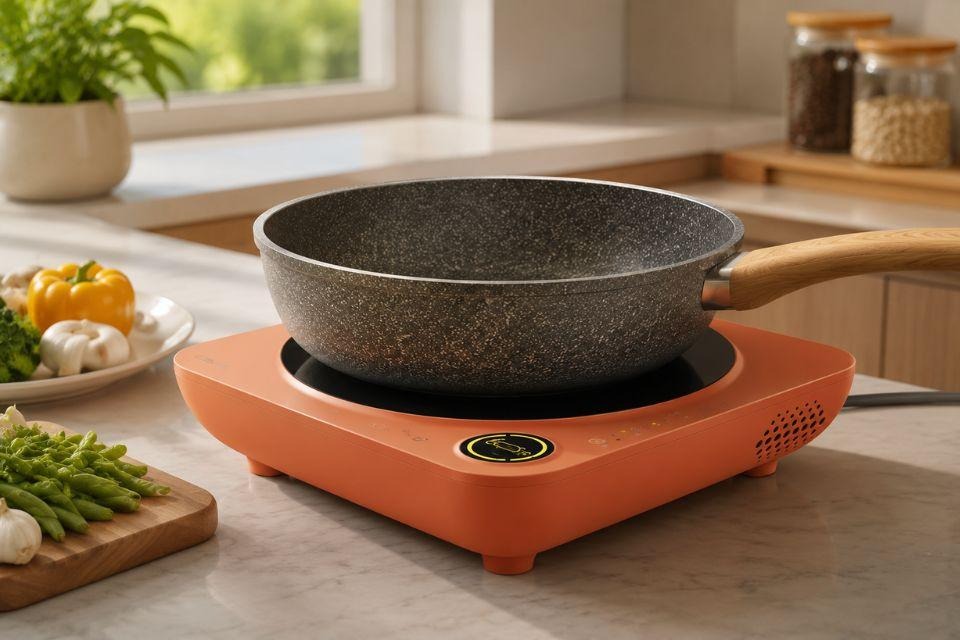
Induction cooking has become increasingly popular because of its fast performance and efficient heat transfer. Unlike traditional cooking methods that generate heat indirectly, induction technology uses electromagnetic energy to heat compatible cookware directly. This reduces heat loss and allows more energy to be transferred into the cooking process. Many homeowners researching this technology ask questions such as does induction stove consume more electricity compared with other cooking options.
Although induction cooktops use electricity, their efficiency can make them a practical choice for energy-conscious kitchens. Since heat is transferred directly to the cookware, less energy is wasted compared with some traditional electric cooking methods. However, actual electricity usage depends on cooking habits, cookware quality, cooking time, and the efficiency of the specific model. Using properly sized cookware and selecting appropriate heat settings can further improve performance. When combined with efficient appliances and smart cooking practices, induction technology can support a more energy-efficient modern kitchen.
Smart Kitchen Technology That Helps Lower Utility Bills
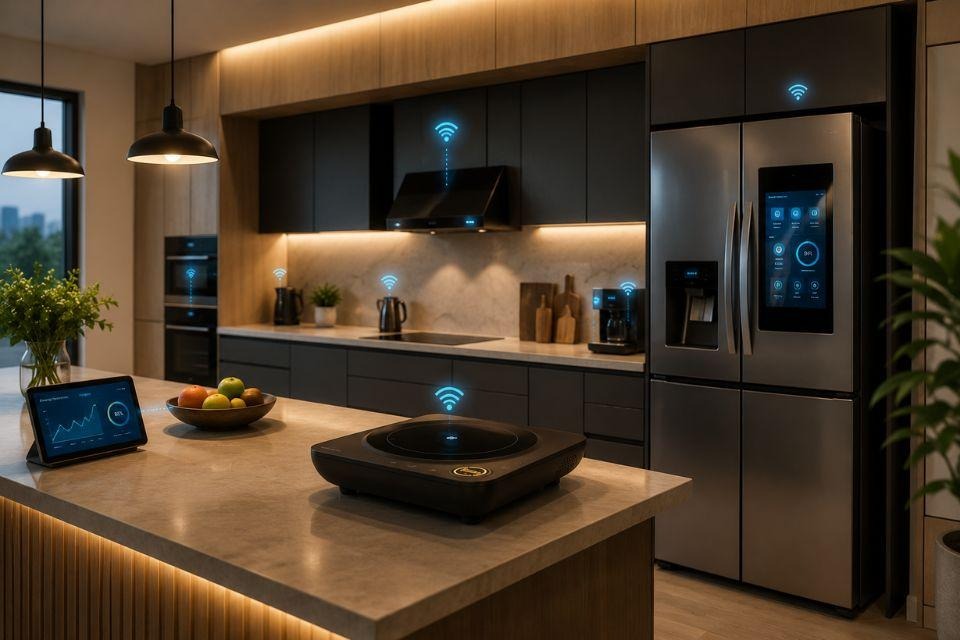
Modern kitchen technology is changing how homeowners manage electricity usage by providing better control, automation, and energy monitoring. Smart appliances can adjust performance based on usage patterns, helping reduce unnecessary power consumption during everyday activities. Features such as programmable settings, automatic shut-off functions, and energy tracking tools allow users to understand where energy is being used and make more efficient choices.
Smart refrigerators, ovens, and other connected devices can improve convenience while supporting better energy management. For example, some appliances can optimize cooling cycles, provide reminders for maintenance, or allow users to monitor operation through connected systems. Although technology alone cannot eliminate energy waste, it gives homeowners more information and control to create more efficient kitchen routines.
Everyday Cooking Habits That Reduce Kitchen Energy Consumption
Small changes in daily cooking habits can have a noticeable impact on kitchen energy consumption. Many homeowners focus only on buying efficient appliances, but how those appliances are used also affects overall electricity usage. Simple adjustments can help reduce wasted energy without making cooking more complicated.
Using cookware that matches the size of the cooking surface helps prevent unnecessary heat loss. Similarly, covering pots and pans while cooking can help food heat faster and reduce the time appliances need to operate. Planning meals together, such as cooking multiple items at the same time, can also improve oven efficiency by reducing repeated heating cycles.
Regular appliance care is another important factor. Cleaning oven interiors, maintaining refrigerator seals, and removing dust from ventilation areas help equipment operate more effectively. Additionally, avoiding unnecessary preheating, turning off appliances when they are no longer needed, and using residual heat when possible can contribute to lower electricity consumption over time.
How Kitchen Design Improvements Support Energy Efficiency
Energy efficiency is not only about appliances; kitchen design also influences how much electricity is used. A well-planned kitchen can reduce energy waste through better lighting, ventilation, and appliance placement. Natural lighting, for example, can reduce dependence on artificial lights during the day, while energy-efficient LED lighting provides better illumination with lower electricity usage.
Proper kitchen ventilation also plays an important role in maintaining comfort and efficiency. A well-designed ventilation system helps remove heat, moisture, and cooking odors while allowing appliances to operate more effectively. In addition, placing frequently used appliances in convenient locations can improve workflow and reduce unnecessary usage.
Modern kitchen design focuses on creating spaces that balance comfort, functionality, and sustainability. By combining efficient appliances, smart technology, and thoughtful layouts, homeowners can create kitchens that use energy more responsibly while supporting long-term household savings.
Common Kitchen Energy Mistakes That Increase Electricity Bills
Many homeowners unintentionally increase kitchen energy consumption through everyday habits. Leaving appliances running when they are not needed, ignoring regular maintenance, and using inefficient cooking practices can create unnecessary electricity waste. Overfilling refrigerators, opening doors frequently, and failing to check damaged seals can also make appliances work harder than necessary.
Another common mistake is choosing kitchen equipment based only on the purchase price rather than considering long-term energy performance. A lower-cost appliance may consume more electricity over time, increasing household expenses. Making informed decisions and adopting efficient habits can help reduce energy waste.
How Ciarra Gadgets Fits Into Modern Energy-Efficient Kitchens
Modern kitchens are increasingly designed around efficiency, convenience, and smarter energy management. As homeowners look for practical ways to improve their cooking spaces, technology-focused kitchen solutions are becoming an important part of this transition. Ciarra Gadgets represents how modern kitchen innovation is evolving by focusing on products that support easier cooking experiences, improved functionality, and more efficient everyday use.
Creating an energy-conscious kitchen is not only about purchasing advanced appliances but also about choosing solutions that match daily needs and encourage responsible usage. When efficient kitchen technology is combined with good habits, such as reducing unnecessary energy waste and maintaining appliances properly, homeowners can create a more balanced and practical cooking environment. The goal is to build kitchens that provide convenience while supporting smarter resource management.
Long-Term Benefits of an Energy-Efficient Kitchen
An energy-efficient kitchen can provide benefits that extend beyond immediate reductions in electricity usage. Efficient appliances are often designed to operate more effectively, which can help reduce unnecessary strain and improve long-term performance. By minimizing wasted energy, homeowners can create a more cost-conscious kitchen while also supporting environmentally responsible living.
Energy efficiency also contributes to better household management over time. Simple improvements, such as upgrading outdated appliances, improving lighting efficiency, and adopting smarter cooking practices, can gradually make a noticeable difference. Although individual changes may seem small, their combined impact can lead to a more sustainable and practical kitchen. Investing in efficiency allows homeowners to enjoy modern convenience while creating a space that uses resources more thoughtfully.
Conclusion
Modern kitchens can reduce energy consumption by combining efficient appliances, smart technology, thoughtful design, and better everyday habits. Energy efficiency does not depend on one single upgrade; instead, it comes from making informed decisions about how kitchen equipment is selected, maintained, and used.
Small changes, such as improving cooking methods, reducing unnecessary electricity use, and choosing appliances with better performance, can contribute to long-term benefits. As energy costs continue to change, creating a more efficient kitchen becomes a practical way to improve household management while supporting sustainability. By focusing on smarter choices rather than short-term solutions, homeowners can develop kitchens that are comfortable, functional, and better prepared for the future.
FAQ
How can modern kitchens reduce energy consumption?
Modern kitchens reduce energy consumption by using efficient appliances, smart technology, improved lighting, and better cooking practices. Energy-saving designs help minimize wasted electricity while maintaining convenience and performance.
Which kitchen appliances use the most electricity?
Refrigerators, ovens, dishwashers, and cooking appliances typically consume the most energy in a kitchen. Choosing efficient models and using them properly can help reduce overall electricity usage.
Does induction cooking use more electricity than traditional cooking methods?
Induction cooking uses electricity to transfer heat directly to cookware, reducing energy loss. Its efficiency depends on cooking habits, cookware compatibility, and the specific appliance model.
What are the easiest ways to lower kitchen electricity bills?
Simple steps include using energy-efficient appliances, regularly maintaining equipment, reducing standby power, using suitable cookware, and avoiding unnecessary operation of appliances.
Are energy-efficient kitchen appliances worth the investment?
Energy-efficient appliances can provide long-term value by reducing electricity consumption, improving performance, and lowering operating costs over time compared with older inefficient models.