



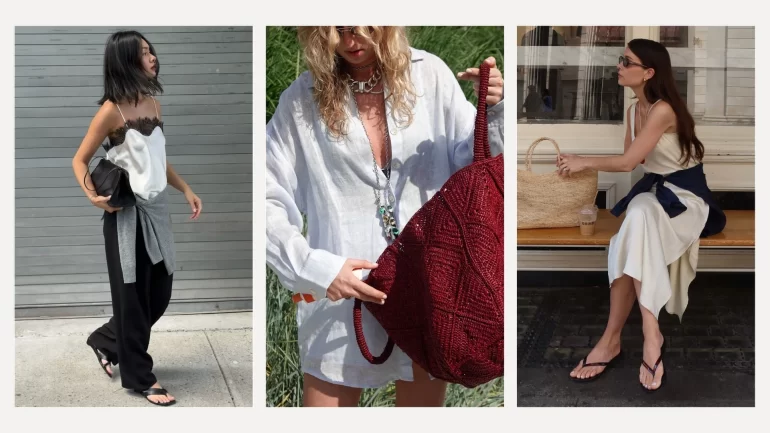
Building a summer wardrobe does not mean buying a completely new collection of clothes every year. A well-planned wardrobe is built around comfortable fabrics, versatile pieces, practical colors, and styles that can be combined in different ways. When your clothes work well together, creating an outfit becomes easier and more enjoyable.
Whether you are heading out for errands, meeting friends, attending a family gathering, or simply enjoying a warm day, the right summer wardrobe can help you stay comfortable while looking polished.
Start With Summer-Friendly Fabrics
The fabric of your clothing is one of the first things to consider when preparing for warmer weather. Heavy materials can feel uncomfortable when temperatures rise, so lightweight and breathable options are often more practical.
Cotton and lawn are popular choices for summer because they feel light and can work well for everyday clothing. Linen is another useful option, offering a naturally relaxed appearance that suits casual summer dressing.
When choosing summer fabrics, consider:
- Breathability
- Lightweight construction
- Comfort during extended wear
- Ease of care
- Suitability for the local climate
Selecting appropriate fabrics creates a comfortable foundation for the rest of your wardrobe.
Choose Versatile Everyday Tops
A selection of simple tops can provide numerous outfit possibilities. Look for pieces in colors and designs that can easily be combined with trousers, skirts, jeans, or other bottoms.
Neutral shades such as white, cream, beige, navy, and soft grey are particularly versatile. You can also include a few brighter colors or prints to introduce variety.
A basic top does not have to look boring. Small details such as interesting sleeves, subtle patterns, textured fabrics, or tasteful design elements can give a simple piece more character.
Invest in Comfortable Bottoms
The right bottoms can make everyday dressing much easier. During summer, relaxed trousers, lightweight pants, skirts, and comfortable jeans can all have a place in your wardrobe.
Choose styles according to your routine. If you spend a lot of time walking or running errands, prioritize comfort and ease of movement. For social occasions, you can select slightly more structured options.
Having several bottoms that coordinate with your existing tops means you can create many combinations without purchasing excessive clothing.
Explore Lightweight Coordinated Outfits
Matching outfits can be especially useful when you want a complete look without spending too much time deciding what to wear. Coordinated tops and bottoms already share complementary colors, patterns, or fabrics.
For those exploring an unstitched lawn collection, the variety of available colors, prints, and fabric options can provide inspiration for creating personalized summer outfits.
One of the biggest advantages of coordinated clothing is its flexibility. You can wear the complete combination for a polished appearance or separate the pieces and style them with other items. This helps you create multiple looks from a smaller wardrobe.
Build Around a Practical Color Palette
A coordinated color palette can make your wardrobe much easier to manage. Start with a few neutral shades and then add seasonal colors that reflect your personal preferences.
Soft pastels, light blues, greens, peach, and other refreshing shades can work beautifully for summer. However, there is no need to limit yourself to traditionally associated summer colors.
The goal is to choose colors that combine easily. When most of your wardrobe works together, you can create outfits quickly without worrying about whether every piece matches perfectly.
Add a Few Printed Pieces
Prints can bring personality to a summer wardrobe. Floral designs, stripes, geometric patterns, and other motifs can make an outfit more visually interesting.
If you are new to wearing prints, start with one statement piece. A patterned top can be paired with simple trousers, or a printed scarf can add character to a neutral outfit.
For a stronger look, you can experiment with coordinating patterns, but keeping the rest of the outfit relatively simple can help maintain balance.
Choose Comfortable Dresses
Dresses can be practical summer staples because they provide a complete outfit with minimal styling. Lightweight designs can be suitable for casual outings, lunches, family events, and other warm-weather occasions.
When choosing a summer dress, consider the fabric, length, design, and occasion. A simple everyday dress can be styled with flats and a practical handbag, while accessories and dressier footwear can make another design suitable for an evening event.
Choose styles that allow comfortable movement and suit your personal preferences.
Keep Footwear Practical
Summer footwear should combine comfort and versatility. Since warm-weather activities may involve walking and spending time outdoors, comfortable shoes can make a significant difference.
Consider keeping a few dependable options, such as:
- Comfortable sandals
- Casual sneakers
- Simple flats
- Loafers
- A dressier pair for special occasions
Choose footwear that complements multiple outfits. This allows you to create different looks without needing a large shoe collection.
Use Accessories to Refresh Outfits
Accessories can help you change the appearance of an outfit without purchasing new clothing. A simple outfit can look completely different with a different bag, scarf, jewelry, or pair of shoes.
For daytime looks, practical accessories can work well. A crossbody bag, simple watch, or lightweight scarf can add functionality while maintaining a relaxed appearance.
For social occasions, consider slightly more refined accessories. The key is to choose pieces that complement your clothing rather than competing with it.
Add Lightweight Layers
Although summer is warm, temperatures can change throughout the day. Indoor spaces may also be heavily air-conditioned, making a light layer useful.
A thin cardigan, overshirt, lightweight jacket, or scarf can easily be added when needed. Choose layers in versatile colors so they can work with several outfits.
Layering can also add visual interest. Combining different textures and lengths can make a simple outfit look more thoughtfully styled.
Organize Your Wardrobe by Occasion
Organizing your clothing according to how you wear it can make getting dressed faster. Keep everyday pieces easily accessible while separating clothing intended for formal or special occasions.
You might organize your wardrobe into categories such as:
- Everyday casual wear
- Smart-casual outfits
- Family and social gatherings
- Evening clothing
- Seasonal layers
This approach makes it easier to identify what you already own and avoid unnecessary purchases.
Focus on Quality and Care
A comfortable and stylish wardrobe is not only about choosing attractive clothes. Taking proper care of them is equally important.
Always follow the care instructions provided with each garment. Lightweight fabrics may require gentle washing, appropriate drying, or careful storage to maintain their appearance.
Keeping clothes clean, folded, and organized also makes it easier to see what you have and create outfits efficiently.
Conclusion
A successful summer wardrobe combines comfort, versatility, and personal style. Choose breathable fabrics, practical bottoms, adaptable tops, coordinated outfits, comfortable footwear, and useful accessories. Build around colors and pieces that work together, while adding prints and seasonal details for variety. With thoughtful choices, your summer wardrobe can remain stylish, comfortable, practical, and easy to manage.