



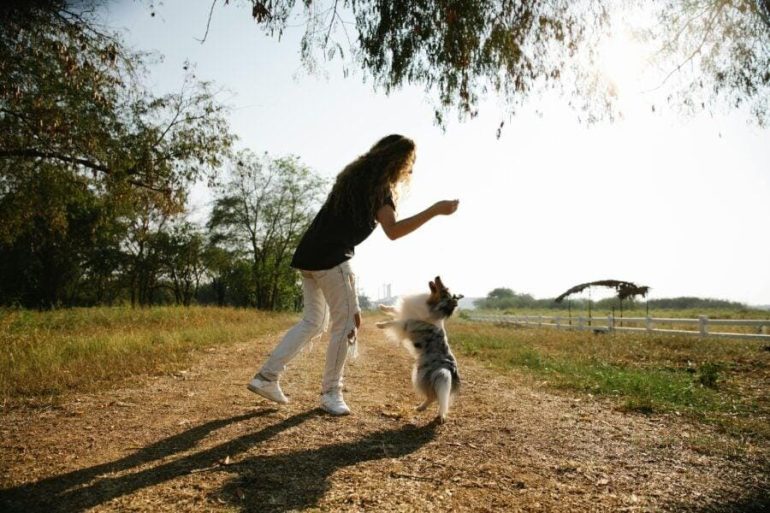
The bond formed by an individual dog and its owner is typically developed based on everyday events instead of big gestures. Dogs develop trust in their humans because they see their owners consistently providing safety and familiarity. In general, all dogs have different personalities, but the basic elements of a good bond are: creating a routine, communicating clearly and effectively, and experiencing many positive moments together.
Developing a strong, trusting bond is beneficial to both the dog and the owner. Owners who have created a haven for their dog experience increased confidence and greater ease in training and dealing with new situations. By understanding how your dog develops trust, you will be able to build a rewarding relationship for both you and your dog.
Trust Begins with Consistency
Dogs are creatures of habit. Once dogs become familiar with daily routines, they begin to anticipate what each part of the day will bring. The most common ways to build this type of stability include establishing set times for eating, walking, playing, sleeping, etc. This creates a sense of security for dogs. When dogs know what to expect from their environment, they use less of their mental resources trying to anticipate what could happen and use more to interact positively with their world.
Routine also includes rules within a home. For example, if there are some days when the behavior of sitting down is tolerated and other days it is not, then it is likely that your dog will get mixed up about which is acceptable and what is unacceptable. Having rules that are consistent makes it easier for your dog to determine what is acceptable behavior.
Learn to Understand Your Dogs Communication
Dogs communicate mainly through body language rather than vocalizations. Therefore, learning to read your dogs body language is key. Relaxed postures (soft eyes, loose tail) generally mean your dog feels comfortable. Stiffness, tucking of the tail, licking his lips, yawning or avoiding eye contact generally mean he is stressed or uncertain. Recognizing these cues gives you opportunities to respond before things escalate. And as your dog learns that you understand his nonverbal communications, he will grow to trust you.
Reading your dogs body language also enables you to avoid pushing him into interacting when he just wants to withdraw or take some time.
Spend Quality Time Together
Creating a bond doesn’t have to mean you’re always doing something. Even spending quiet time together can help build your relationship.
Many dogs love to lie next to their owners when they are working, watching TV, etc. Quiet time is building familiarity and provides an emotional sense of safety, just like playing with them.
A regular walk, petting (grooming) and calming interactions give you many chances to develop good connections every day.
Engage in Positive and Predictable Interactions
Because the dog learns best through calm, consistent and rewarding experiences, it’s easiest to teach a dog by using these principles. Using a calm voice, providing a consistent response to a dog’s behaviors and showing approval of behaviors that are desired will create positive associations. Dogs naturally feel more secure and trusting of those who react consistently.
On the flip side, harsh or unpredictable responses can decrease a dog’s trust in you as he no longer knows how you’ll react in different situations. Building confidence in a dog is generally easier than constantly trying to correct him.
Make Training Part of Everyday Life
Training isn’t just for giving your dog basic commands; it’s a chance to build trust through better communication and to understand each other.
Positive reinforcement from short, fun training sessions will help you get your dog to focus, learn how to solve some of the things he sees as obstacles (problems) and train them to be a team player. Building on what you have learned together creates confidence in the fact that working with the owner is going to result in rewards.
Consistently practicing simple training exercises is likely to enhance your bond with your dog much sooner than one or two long training sessions.
Respect Individual Personality
Dogs develop relationships with people in different ways. Some dogs need constant physical touch, while some are content to stay nearby without constant touching. Some breeds are naturally independent, while others want to be right next to you at all times.
Recognizing your dog’s personality type and allowing him the freedom to approach interactions at his own pace may result in a longer-lasting bond based on trust instead of false expectations.
Provide Mental and Physical Enrichment
Generally speaking, a dog that has been mentally stimulated and physically active during the course of a normal day is less stressed and emotionally stable. Daily walks, exposing your dog to new smells, providing your dog with toys to interact with and simple problem-solving activities will all contribute positively toward your dog’s overall wellbeing.
In addition to helping reduce boredom, enrichment can also help prevent frustration and unwanted behaviors caused by boredom, which ultimately can negatively affect the relationship between dog and owner.
A balance of physical and mental stimulation will provide the basis for maintaining both the emotional stability of your dog and promoting positive interactions between your dog and yourself.
Be Patient During Difficult Moments
Trust is created as time passes, particularly in dogs who experience many life-changing events, such as moving homes, or very little social interaction. It doesn’t take place immediately; some dogs may need more time for them to get used to a new routine, new people, or a completely new environment.
Patience and calmness will help to create a trusting bond by giving your dog the time needed to develop confidence. Mostly small increases, when done while providing a secure feeling instead of pressure, can create long-term bonds.
Everyday Care Builds Lasting Trust
Consistency in every aspect of everyday care builds a stronger connection to your dog. When we provide consistent care for our dogs, including feeding, grooming, walking and creating an environment that they find comfortable, this sends a message of dependability. This allows our dogs to begin to understand that their needs are being met on a consistent basis which creates a sense of security. Regular checkups at an animal hospital near me are part of that same consistency, reinforcing to your dog that their wellbeing is always being looked after.
The same applies to the majority of day to day activities that we perform. When these are performed in a patient and consistent manner, it provides us with opportunities to build trust with our dogs.
With each passing day, the number of positive experiences with our dogs that we create becomes the foundation of a lifelong bond.
Conclusion
Creating a solid relationship with your dog does not necessarily mean you are perfect; however, it means that you are consistent and patient. Establishing trust also occurs from engaging in enjoyable forms of play and respectfully communicating with one another.
By developing awareness regarding what type of positive day-to-day interactions your dog requires, and then establishing those types of interactions, you create a relationship that is based upon trust and mutual understanding.