



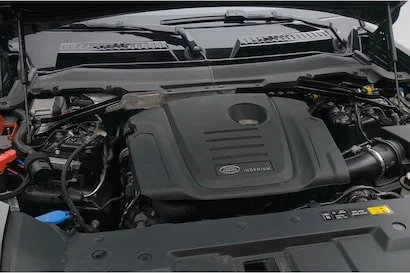
Buying a reconditioned engine can be a practical alternative to replacing an entire vehicle after serious engine failure.
For Jaguar, Land Rover and Range Rover owners, however, choosing the right replacement engine involves much more than finding the lowest advertised price.
Two engines described as “reconditioned” may have undergone very different levels of work.
One may have been completely stripped, measured, machined and rebuilt with replacement components. Another may have received only limited repairs before being offered for resale.
Understanding what you are actually buying can help reduce the risk of another expensive engine problem later.
What Is a Reconditioned Engine?
A reconditioned engine is generally an engine that has undergone repair or rebuilding work before being supplied for installation.
The exact process varies between engine specialists.
A thorough reconditioning process may involve:
- Complete engine dismantling
- Cleaning
- Inspection of internal components
- Measuring wear and tolerances
- Crankshaft inspection
- Cylinder inspection
- Machining where required
- Replacement bearings
- New seals and gaskets
- Replacement piston rings where required
- Timing component replacement
- Cylinder head inspection
- Reassembly
- Oil-pressure testing
- Compression testing
- Final quality checks
The more important question is therefore not simply whether an engine is described as reconditioned.
You should ask exactly what work has been completed.
Reconditioned Engine vs Used Engine
A used engine and a reconditioned engine are not necessarily the same thing.
A used engine is typically removed from another vehicle and sold largely in its existing condition.
It may have been tested before sale, but its internal components have not necessarily been rebuilt.
A reconditioned engine should have undergone a defined process of inspection and repair before being supplied.
This distinction matters because a used engine may still contain components that have already experienced significant wear.
The lower purchase price may look attractive, but buyers should consider mileage, history, testing and warranty before making a decision.
Reconditioned Engine vs Rebuilt Engine
The terms “reconditioned” and “rebuilt” are sometimes used differently by different suppliers.
In some cases, they may describe almost the same process.
Instead of focusing too heavily on the terminology, ask for a written rebuild specification.
This should explain:
- Which components were inspected
- Which components were replaced
- What machining was completed
- Whether the cylinder head was checked
- Whether the crankshaft was measured
- What testing was carried out
- What warranty is provided
A clear specification is far more useful than an attractive product description.
Why Engine Code Matching Matters
Jaguar, Land Rover and Range Rover models can be fitted with different engines depending on year, trim, fuel type and market specification.
Two vehicles that look almost identical may not necessarily use interchangeable engines.
The correct replacement should therefore be matched using information such as:
- Registration number
- VIN
- Model year
- Engine code
- Fuel type
- Power output
Buying the wrong engine can create unnecessary delays, additional labour and compatibility problems.
If you are based in East London, you can also view the local Jaguar and Land Rover engine specialist in Ilford on Google to check the business location and profile before arranging engine work.
Which Jaguar Models May Use Reconditioned Engines?
A range of Jaguar models may eventually require engine replacement or rebuilding.
These can include:
- Jaguar XE
- Jaguar XF
- Jaguar F-PACE
- Jaguar E-PACE
- Jaguar XJ
- Jaguar F-TYPE
Different generations may use different petrol and diesel engines.
Modern Jaguar models may use Ingenium powertrains, while other vehicles may use V6, V8 or supercharged engines.
Because the rebuild process can vary significantly between engine types, model-specific experience is important.
Reconditioned Land Rover Engines
Land Rover owners may also consider a reconditioned engine after major internal failure.
Common models include:
- Land Rover Defender
- Discovery 3
- Discovery 4
- Discovery 5
- Discovery Sport
- Freelander 2
Land Rover vehicles are often kept for many years, and replacing the engine may be financially sensible when the rest of the vehicle remains in good condition.
The decision should still be based on the total cost of the repair and the condition of the vehicle overall.
Reconditioned Range Rover Engines
Range Rover owners may face similar decisions after serious engine damage.
Models can include:
- Range Rover Sport
- Range Rover Vogue
- Range Rover Evoque
- Range Rover Velar
A reconditioned engine can provide an alternative to buying a brand-new engine or replacing the vehicle.
However, customers should be especially careful when comparing unusually cheap engine offers.
Major differences in rebuilding quality, included parts and warranty can explain large price differences.
What Should Be Replaced During Engine Reconditioning?
There is no universal list because the required work depends on the condition of the engine.
However, a professional engine specialist should inspect all critical internal components and replace worn or damaged items.
Possible replacement parts may include:
- Main bearings
- Big-end bearings
- Piston rings
- Seals
- Gaskets
- Timing components
- Oil seals
- Damaged pistons
- Valves
- Other internal components as required
Some parts may be reused if they remain within specification.
The key is that components should be measured and assessed rather than automatically assumed to be serviceable.
Why Machining Is Important
Engine rebuilding often requires precision machining.
Internal engine components operate within very small tolerances.
If a crankshaft, cylinder or cylinder head is worn or distorted, simply installing new bearings or gaskets may not solve the underlying problem.
Depending on the engine, machining work may include:
- Crankshaft polishing or grinding
- Cylinder honing
- Cylinder head resurfacing
- Valve seat work
- Other precision engineering
The exact work should depend on measured condition rather than a standard one-size-fits-all process.
What Testing Should Be Completed?
Testing is a critical part of any engine rebuild or reconditioning process.
Ask the supplier what checks are completed before and after installation.
Testing may include:
- Compression testing
- Oil-pressure testing
- Leak checks
- Cooling system checks
- Diagnostic scanning
- Running tests
- Post-installation inspection
A replacement engine that is installed without appropriate testing may leave unresolved issues elsewhere in the vehicle.
Check Why the Original Engine Failed
One of the most overlooked steps in engine replacement is identifying the cause of the original failure.
An engine may have failed because of another component or system.
Possible causes include:
- Oil starvation
- Cooling system failure
- Turbocharger failure
- Injector problems
- Fuel contamination
- Timing failure
- Previous poor-quality repairs
- Blocked oil passages
If the underlying cause remains unresolved, the replacement engine can also be damaged.
For example, installing another engine without checking a failed turbo or lubrication problem can put the replacement unit at risk.
Should the Turbo Be Checked?
Yes, particularly if the previous engine failure may have involved oil starvation, contamination or turbocharger damage.
A failing turbo can cause oil loss, smoke, reduced performance and other symptoms that overlap with internal engine problems.
If turbo debris or contamination has entered the intake or lubrication system, further cleaning and inspection may be needed before another engine is installed.
The engine specialist should consider the complete system rather than treating the engine as an isolated part.
Does the Warranty Matter?
A warranty is one of the most important parts of a replacement engine purchase.
Ask for the warranty terms in writing before authorising work.
Important points include:
- Warranty duration
- Mileage limit
- Parts covered
- Labour coverage
- Conditions of the warranty
- Servicing requirements
- Exclusions
A warranty that covers only the engine unit may leave the customer responsible for significant removal and refitting costs if a problem develops.
Do not assume that every warranty includes both parts and labour.
Supply Only or Supply and Fit?
Replacement engines may be offered as supply-only units or as a complete supply-and-fit service.
Supply only may be suitable when you already have a trusted garage that will install the engine.
However, using one specialist for supply and fitting can sometimes simplify responsibility if a problem occurs.
Before accepting a quotation, confirm whether it includes:
- Engine supply
- Removal of the existing engine
- Installation
- Fluids
- Filters
- Diagnostic testing
- Additional parts
- VAT
- Warranty
This makes it easier to compare total costs accurately.
Be Careful With Very Cheap Engine Prices
Low prices can be attractive, particularly when facing an unexpected engine failure.
However, an unusually cheap replacement engine may not always provide the best value.
The advertised price may exclude:
- Fitting
- VAT
- Fluids
- Additional components
- Turbo inspection
- Injectors
- Collection or recovery
- Diagnostic work
The engine itself may also have undergone a more limited rebuilding process.
Always compare like-for-like quotations.
Questions to Ask Before Buying a Reconditioned Engine
Before placing an order, ask the engine supplier the following questions.
Is this engine fully reconditioned?
Ask for a clear explanation of the process completed.
What parts have been replaced?
A reputable supplier should be able to explain which components were renewed.
Has the engine been machined?
Ask what engineering work has been performed where required.
Is the engine correct for my vehicle?
Has the engine been tested?
Has the engine been tested?
Request details of the testing process.
Is fitting included?
Do not assume an advertised engine price includes labour.
What warranty is provided?
Request the warranty terms before paying.
What happens if the engine develops a problem?
Understanding the claims process in advance can prevent disputes later.
When Is a Reconditioned Engine Worth Buying?
A reconditioned engine may make sense when:
- The vehicle is otherwise in good condition
- The original engine has severe internal damage
- A repair is no longer economical
- A brand-new engine would be too expensive
- A high-quality rebuilt replacement is available
- The engine comes with suitable testing and warranty
It may be less attractive if the vehicle also requires extensive gearbox, suspension, electrical or structural repairs.
The total condition of the car should always be considered.
How Long Can a Reconditioned Engine Last?
There is no guaranteed lifespan that applies to every reconditioned engine.
Longevity depends on:
- Quality of the rebuild
- Quality of components
- Correct machining
- Installation quality
- Oil specification
- Servicing
- Driving conditions
- Cooling system condition
- Associated vehicle faults
A properly rebuilt and maintained engine may provide substantial further service life, while a poor-quality rebuild can develop problems much sooner.
This is why the rebuilding process matters as much as the engine price.
Maintaining a Replacement Engine
After installing a reconditioned engine, maintenance remains important.
Follow the specialist’s recommendations regarding servicing and initial checks.
Good practices include:
- Using the correct engine oil
- Maintaining the correct oil level
- Checking coolant regularly
- Investigating leaks promptly
- Following servicing schedules
- Monitoring unusual noises
- Responding quickly to warning lights
If the supplier provides specific running-in or early service requirements, these should also be followed.
Final Thoughts
Choosing a reconditioned Jaguar, Land Rover or Range Rover engine should not be based on price alone.
The quality of the engine depends on what has been inspected, measured, machined, replaced and tested.
Before buying, confirm the exact engine code, request a written rebuild specification and understand the warranty.
It is also essential to identify why the original engine failed.
Correcting the underlying cause can be just as important as fitting the replacement engine itself.
A well-documented reconditioned engine from an experienced specialist can be a practical solution when the original engine is no longer economical to repair.
Frequently Asked Questions
Is a reconditioned engine better than a used engine?
A properly reconditioned engine has undergone inspection and rebuilding work, while a used engine is generally supplied in its existing condition. The quality of the reconditioning process should always be confirmed.
How do I know if a reconditioned engine is good?
Ask for details of the parts replaced, machining completed, testing process and warranty. A reputable supplier should be able to explain exactly what has been done.
Can I buy a reconditioned Jaguar engine?
Yes. Reconditioned and rebuilt engines are available for various Jaguar models, although compatibility must be confirmed using the exact engine specification.
Can Land Rover engines be reconditioned?
Many Land Rover engines can be professionally rebuilt or reconditioned depending on the extent of damage and condition of the original components.
Should I buy a used or reconditioned Range Rover engine?
The right option depends on budget, engine condition, testing and warranty. A reconditioned engine may provide greater reassurance when it has undergone a comprehensive professional rebuild.
Does a replacement engine need programming?
Some vehicles may require diagnostic procedures, adaptations or electronic configuration after installation. The exact requirements depend on the vehicle and engine system.
Should I replace the engine or the vehicle?
Compare the complete repair cost with the condition and market value of the vehicle. A replacement engine can make sense when the rest of the vehicle remains in good condition.