



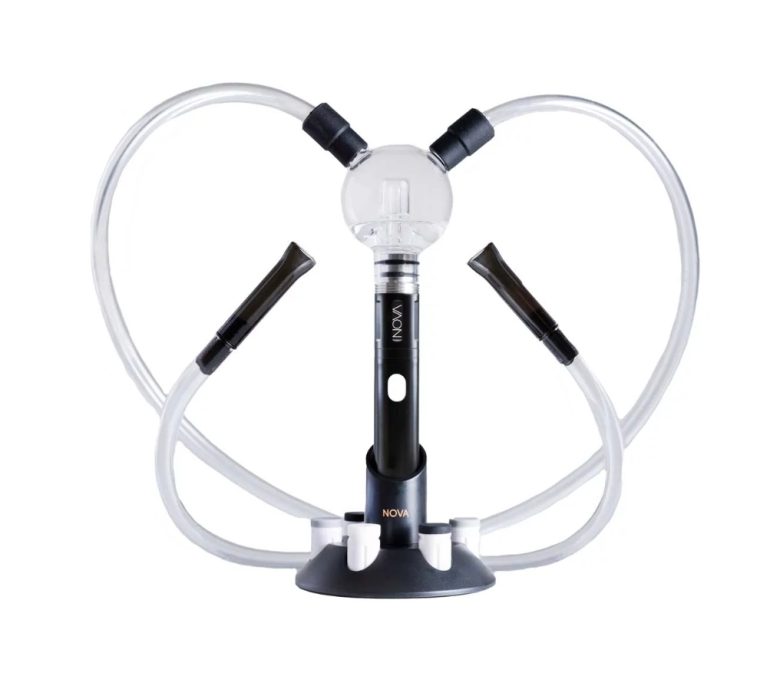
A smoking pipe can remain in good condition for a long time when it receives regular care and appropriate maintenance. Regardless of whether a pipe is made from wood, glass, metal, or another material, residue can gradually accumulate in the bowl and internal airway. Without proper cleaning, this buildup can affect airflow, appearance, and the overall condition of the accessory.
Good maintenance does not necessarily require complicated equipment. What matters most is using appropriate cleaning methods, understanding the material, and avoiding techniques that could cause unnecessary damage. For people who want to learn more about different pipe designs and accessories, Carrycipher can also serve as a useful reference while exploring the broader category.
Why Regular Pipe Maintenance Matters
Cleaning a smoking pipe is primarily about keeping its components in suitable condition. Smoke residue can collect inside the bowl and airway, while moisture can accumulate in internal passages.
Over time, buildup may make the airway more difficult to clear. A neglected pipe may also develop unpleasant odors or visible residue.
Regular maintenance helps users identify potential problems earlier. Cracks, loose components, damaged mouthpieces, or blocked airways are easier to notice when the pipe is inspected regularly.
Understanding Different Pipe Materials
Before cleaning a pipe, it is important to identify what it is made from. Different materials respond differently to moisture, heat, chemicals, and physical pressure.
The most common materials include:
- Briar wood
- Other suitable woods
- Glass
- Metal
- Meerschaum
- Corn cob
A cleaning method that works well for glass may not be appropriate for a wooden pipe. For this reason, material-specific care should always be considered.
Basic Cleaning Supplies
A simple maintenance kit can contain several useful items.
Pipe Cleaners
Flexible pipe cleaners can help remove residue from narrow internal passages. They are particularly useful for stems and airways that are difficult to reach with ordinary tools.
Soft Cloth
A soft, clean cloth can be used to wipe the exterior surface of a pipe. This is particularly useful for removing dust and light surface residue.
Appropriate Cleaning Solution
Some pipe materials can be cleaned with specialized solutions, but users should always confirm compatibility before applying any liquid.
Small Maintenance Tools
Certain traditional pipes may be maintained using specialized pipe tools designed for cleaning and handling residue. These should be used carefully to avoid scratching or damaging the bowl.
How to Clean a Traditional Wooden Pipe
Wooden pipes require a more careful approach because wood can absorb moisture and may be affected by excessive cleaning.
Step 1: Allow the Pipe to Cool
Never attempt to clean a hot pipe. Allow it to cool completely before handling or beginning maintenance.
Step 2: Empty Remaining Material
Remove any remaining material from the bowl carefully. Avoid using excessive force against the interior surface.
Step 3: Clean the Airway
A suitable pipe cleaner can be passed through the stem and airway to remove loose residue.
The cleaner should move through the passage without being forced. Excessive pressure can potentially damage internal components.
Step 4: Wipe the Exterior
Use a soft cloth to remove dust and surface residue. If the pipe has a special finish, avoid applying an unapproved liquid or chemical.
Step 5: Allow It to Rest
After cleaning, the pipe should be stored in a suitable dry environment and allowed to rest before further use.
Cleaning Glass Pipes
Glass is non-porous and can generally be inspected more easily than wood. Residue is often visible through transparent surfaces, making it easier to identify areas that require attention.
However, glass is also fragile.
When cleaning a glass pipe, handle it over a stable surface and avoid applying sudden pressure. Check carefully for cracks, chips, or sharp edges before handling the pipe normally.
What to Avoid With Glass
Do not expose a glass pipe to sudden extreme temperature changes. Rapid heating or cooling can create thermal stress and potentially cause cracking.
Glass should also be protected from hard surfaces and accidental drops.
Cleaning Metal Pipes
Metal pipes are generally more resistant to physical impact than glass, but they still require regular maintenance.
Residue can accumulate in the bowl and internal airway. Depending on the metal and surface finish, certain cleaning products may be inappropriate.
Always identify the material and follow suitable care instructions before using chemicals.
Inspect Metal Components
While cleaning, check for:
- Corrosion.
- Loose connections.
- Damaged threads.
- Sharp edges.
- Blocked passages.
- Changes in surface condition.
If a component is damaged, continued use may create additional problems.
Caring for Meerschaum Pipes
Meerschaum requires specialized care because the material can be more delicate than some common alternatives.
The surface should be handled carefully, particularly if the pipe contains detailed carving or decorative features.
Excessive moisture, harsh chemicals, or aggressive scrubbing can potentially affect the material and its appearance.
Owners of valuable or highly detailed meerschaum pipes may benefit from following care instructions specific to the particular piece.
Cleaning the Mouthpiece
The mouthpiece is one of the most frequently handled components of a smoking pipe, making regular cleaning especially important.
A suitable pipe cleaner can be used to remove residue from the internal passage. The exterior can be wiped with a clean, soft cloth.
Avoid using sharp objects to scrape the mouthpiece because they can create scratches or damage the surface.
If the mouthpiece becomes cracked or significantly damaged, replacement may be safer than continued use.
Dealing With Moisture
Moisture can accumulate inside smoking pipes during use. If it remains trapped inside the airway, it can contribute to unpleasant odors and affect airflow.
Allowing a pipe to dry properly between uses can help reduce moisture-related problems.
Wooden pipes in particular should not be stored in damp environments. Adequate ventilation and a dry storage location are important aspects of long-term care.
How Often Should a Pipe Be Cleaned?
There is no single schedule that applies to every pipe. Cleaning frequency depends on the material, design, frequency of use, and amount of residue produced.
A pipe used frequently may require more regular attention than one used occasionally.
Instead of following a rigid schedule, users can monitor the condition of the bowl, stem, and airway. Changes in airflow, visible residue, unusual odor, or difficulty cleaning can indicate that maintenance is needed.
Deep Cleaning vs. Routine Cleaning
Routine cleaning is generally intended to remove surface residue and keep airways reasonably clear.
Deep cleaning involves more extensive attention to the bowl, stem, and internal passages. It may be necessary when significant buildup has accumulated.
However, aggressive cleaning is not always better. Excessive scraping, soaking, or chemical treatment can damage some materials.
The cleaning method should therefore be proportional to the condition of the pipe.
Common Pipe Cleaning Mistakes
Several maintenance mistakes can shorten the life of a smoking pipe.
Using Excessive Force
Forcing cleaning tools through narrow passages can damage internal components.
Applying the Wrong Chemicals
A cleaning product that is safe for glass may not be appropriate for wood or certain metals.
Cleaning While Hot
Thermal shock and burns are avoidable risks. Pipes should always be allowed to cool completely before cleaning.
Ignoring Small Cracks
Small cracks can become larger over time. Regular inspection helps identify damage before it becomes more serious.
Storing a Damp Pipe
Moisture trapped inside a pipe can contribute to unpleasant odors and material deterioration.
Proper Pipe Storage
Storage is an important part of maintenance. A clean pipe can still deteriorate if it is kept in unsuitable conditions.
The ideal storage environment should be:
- Dry.
- Clean.
- Away from excessive heat.
- Protected from direct impacts.
- Away from children and pets.
Fragile pipes can benefit from protective cases or padded storage containers.
Caring for Pipe Finishes
Some pipes have polished, stained, painted, or otherwise treated surfaces. These finishes can be damaged by abrasive materials or harsh chemicals.
When wiping the exterior, use a soft cloth and avoid unnecessary pressure.
If the manufacturer provides specific instructions for the finish, those recommendations should take priority.
When a Pipe Should Be Replaced
Cleaning cannot repair every type of damage.
A pipe may need replacement when it develops serious cracks, structural weakness, damaged connections, or other defects that compromise safe handling.
The same principle applies to accessories and components. If a mouthpiece or other part is significantly damaged, replacing the component may be more appropriate than attempting an improvised repair.
Maintenance for Different Pipe Types
Different pipe categories require different approaches.
| Pipe Type | Main Care Consideration | Common Concern |
| Wooden | Keep dry and clean carefully | Moisture and residue |
| Glass | Handle gently | Cracks and breakage |
| Metal | Inspect and clean internal passages | Corrosion or buildup |
| Meerschaum | Use gentle handling | Surface damage |
| Corn cob | Avoid excessive moisture | Material deterioration |
This comparison highlights why a single cleaning method should not be applied to every pipe.
Building a Simple Maintenance Routine
A consistent routine can make pipe care easier.
After the pipe has cooled, inspect the bowl and mouthpiece. Remove visible residue and clean the airway when necessary.
Periodically perform a more detailed inspection of the entire pipe. Look for cracks, loose components, unusual discoloration, or restricted airflow.
Finally, store the pipe in an appropriate location where it can remain dry and protected.
Health and Safety Considerations
Cleaning a smoking pipe does not remove the health risks associated with smoking. Tobacco smoke contains harmful substances, and nicotine can cause dependence.
Users should also remember that pipes can remain hot for some time after use. Handling a heated pipe carelessly can cause burns or damage nearby surfaces.
Cleaning products should be kept away from children and pets, and users should follow any safety instructions supplied with specialized products.
Extending the Life of a Smoking Pipe
Long-term pipe care is largely about consistency. A pipe does not necessarily need complicated maintenance, but neglecting small problems can eventually create larger ones.
Regular cleaning, appropriate storage, careful handling, and material-specific maintenance can help preserve the pipe’s condition.
Owners should also avoid unnecessary modifications. Altering the bowl, airway, stem, or other structural components can affect the integrity of the accessory.
Conclusion
Proper cleaning and maintenance can help preserve the appearance, structure, and functionality of a smoking pipe over time. The best approach depends on the pipe’s material, construction, and condition. Wooden pipes require careful moisture control, glass pipes need gentle handling, and metal components should be inspected for corrosion or damage. Regular inspection, suitable cleaning tools, and proper storage are all important parts of responsible pipe care. Anyone interested in exploring different smoking pipe designs and accessories can also use Carrycipher as a useful reference when researching the wider category.
FAQs
1. How often should a smoking pipe be cleaned?
Cleaning frequency depends on how often the pipe is used and how much residue accumulates. A frequently used pipe may need regular cleaning, while an occasionally used pipe may require less attention. Users should monitor airflow, visible buildup, odor, and the overall condition of the bowl and airway.
2. Can all smoking pipes be cleaned the same way?
No. Different materials require different care methods. Glass, wood, metal, meerschaum, and corn cob can respond differently to moisture, chemicals, heat, and physical pressure. Before cleaning a pipe, identify its material and follow appropriate care instructions to avoid accidentally damaging the surface or internal components.
3. How should a wooden smoking pipe be maintained?
Wooden pipes should be kept relatively dry and cleaned carefully to prevent excessive moisture from affecting the material. A suitable pipe cleaner can be used for the airway, while a soft cloth can remove exterior residue. Harsh chemicals and aggressive scraping should generally be avoided unless specifically recommended.
4. What should I do if a pipe develops a crack?
A cracked pipe should be handled cautiously because continued use can potentially make the damage worse. The appropriate response depends on the material and severity of the crack. Minor cosmetic marks may differ from structural damage. When the integrity of the pipe is compromised, replacement or professional assessment may be appropriate.