



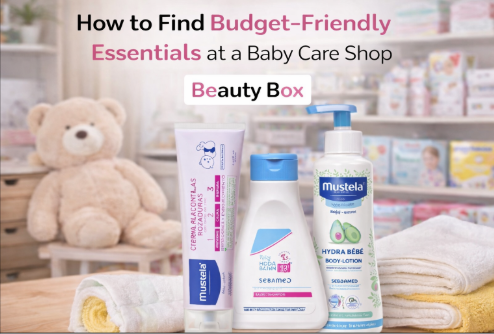
Shopping for baby products feels overwhelming. Shelves are filled with options, prices vary widely, and every product claims to be the best. Without a clear plan, you end up buying more than required or paying extra for things your baby does not need. Smart shopping is about control. You decide what goes into your cart based on usage, safety, and value. When you approach baby care shopping with a strategy, you cut unnecessary costs and still give your baby the care they need.
Build a Clear Shopping System Before You Enter the Store
Most overspending happens because you shop without a plan. You walk in, browse different sections, and end up picking extra items that look useful in the moment.
Start with a simple system. Identify what you already have at home and what needs replacement. Create a short list based on usage, not assumptions. When you follow a system, your decisions stay controlled and your spending becomes predictable.
You should also decide your budget before entering the store. This creates a limit and forces you to prioritize essentials over extras.
Know the Difference Between Essentials and Optional Items
Not every product in a baby care shop is necessary. Many items are designed to attract attention rather than solve real problems. Essentials are items you use daily. These include diapers, wipes, cleanser, lotion, feeding tools, and basic clothing. These products directly support hygiene and comfort.
Optional items include advanced grooming kits, multiple skincare variants, or specialized accessories that are not required in the early stage.
When you separate essentials from optional items, your spending reduces immediately. You focus only on what adds value to your baby’s routine.
Smart Ways to Control Spending While Shopping
Follow these practical steps when you are inside the store
- Pick products from your list first before exploring other sections
• Compare at least two brands before making a decision
• Check lower shelves for budget-friendly alternatives
• Avoid adding items to your cart without a clear purpose
• Stay within your pre-decided budget
These small actions help you stay disciplined and avoid unnecessary purchases.
Use Quantity Planning Instead of Guesswork
Buying based on guesswork leads to either overstocking or frequent repurchasing. Both increase your total cost.
Use a simple method to plan quantities
- Track how many diapers your baby uses daily
- Calculate weekly and monthly usage
- Apply the same method for wipes and skincare products
- Adjust based on your baby’s growth and changing needs
For example, if your baby uses 7 diapers daily, that equals around 210 diapers per month. This gives you a clear idea of how much to buy and when to restock.
Planning like this removes uncertainty and keeps your purchases efficient.
Reduce the Number of Products in Your Routine
A long list of products increases both cost and confusion. Many parents use separate products for similar purposes without realizing it. You can simplify your routine by choosing multi-purpose items. A single cleanser for hair and body, or one cream for both face and body, reduces the number of products you need.
Fewer products mean lower spending and a more manageable daily routine. It also reduces the chances of skin reactions caused by mixing too many formulations.
Timing Your Purchases Can Lower Costs
The timing of your purchase affects how much you spend. Many baby care shops offer discounts during specific periods.
You should watch for
- Seasonal sales
• Store promotions
• Bundle offers on daily essentials
Buying during these periods reduces your cost per product. Planning ahead helps you take advantage of these offers without rushing your decisions.
Understand How Packaging Influences Pricing
Packaging plays a major role in product pricing. Bright colors, premium designs, and extra features increase the cost without improving performance.
Focus on what is inside the product, not how it looks. Simple packaging often indicates a lower price with the same functionality. When you ignore visual appeal and focus on value, you make more practical decisions.
Track Your Spending to Improve Future Purchases
Tracking your spending helps you identify patterns and make better decisions. Keep a simple record of what you buy each month. Note how much you spend on diapers, wipes, skincare, and other essentials.
Over time, you will notice where your money goes. This allows you to adjust your buying habits and reduce unnecessary expenses. For example, if you notice frequent purchases of small packs, switching to larger packs may reduce cost.
Mistakes You Should Avoid While Shopping
Many parents repeat the same mistakes, which increases their expenses.
Avoid these
- Buying products without checking actual need
• Choosing based on brand name alone
• Ignoring product quantity and usage
• Stocking too much too early
• Changing products too often
Avoiding these mistakes improves both your budget and your baby’s care routine.
Build a Long-Term Buying Strategy
A long-term strategy helps you stay consistent and avoid sudden expenses.
Follow this approach
- Create a monthly shopping plan
- Restock essentials at fixed intervals
- Review your baby’s changing needs regularly
- Adjust your product list as required
This strategy ensures that you are always prepared without overspending.
Final Thoughts
Finding budget-friendly essentials at a baby care shop is about discipline and planning. When you focus on essentials, track your usage, and avoid unnecessary products, you gain full control over your spending.
Keep your routine simple, test products before buying in bulk, and make decisions based on value rather than appearance. These habits help you manage your budget while providing safe and consistent care for your baby. When you stay consistent with this approach, you reduce waste, save money, and create a stress-free shopping experience every time you visit a baby care shop. Shop at Beautybox and get your baby essentials at pocket friendly price.