



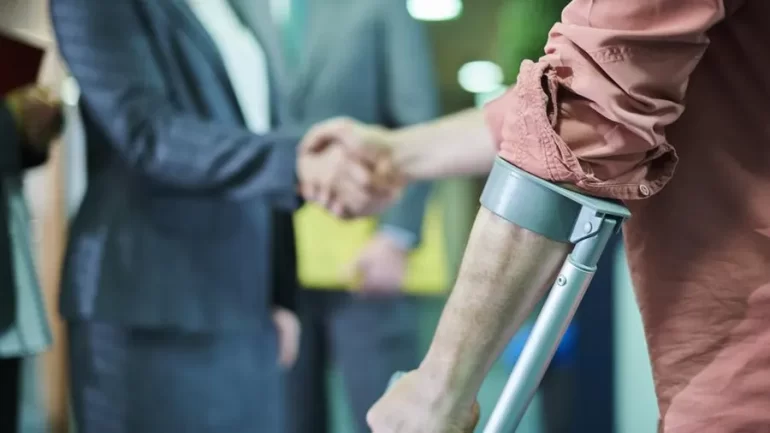
A personal injury has a way of interrupting your sense of self. Everything starts to feel fragile, and pain has a way of dictating your pace. Even when the worst of the injury is over, figuring out how to actually live again can feel harder than expected.
Contrary to what others might say, resuming life after a personal injury isn’t about going back to who you were before. It’s about rebuilding stability in your life and finding out what it looks like to live with the injury in the rearview mirror (as opposed to it constantly being right there with you).
Accept That “Normal” Has Changed
One of the biggest obstacles to moving on after an injury is the belief that recovery means returning to the exact version of life you had before. When that doesn’t happen quickly – or at all – frustration sets in. You may feel like you’re falling behind or not doing enough, even when you’re doing everything you can.
The truth is that injuries change people. Sometimes the change is temporary, while other times it’s permanent. Either way, measuring yourself against a past version of your life keeps you stuck. It creates constant comparison instead of progress. It’s better to accept that “normal” now looks different.
This acceptance doesn’t happen overnight. It shows up gradually, in moments where you choose to adapt instead of resist. Maybe you learn to pace yourself differently or you ask for help when you never had to before. It could look like letting go of activities that now cause pain and finding new ways to feel fulfilled. These shifts are a natural way of evolving to the circumstances.
Understand That Healing Is Physical, Emotional, and Practical
Many people underestimate how much a personal injury affects them beyond the physical pain. Even when your body begins to heal, the emotional and mental toll often lingers. Anxiety, irritability, sadness, or a sense of detachment are common reactions – not signs of weakness.
Your sense of safety may be shaken, and the confidence you have in your body may be seriously diminished. You might feel disconnected from the routines and roles that once defined who you were. All of that is a normal part of the process you’re going through. It’s also a story that you need to be able to tell when you get into the legal aspects of your case, so that you can get the proper compensation.
As Kinon Law Firm explains, “A good outcome isn’t just about covering medical bills and missed work. It’s about telling your story and showing how your life changed in ways that don’t always fit neatly into a spreadsheet. Maybe you can’t play with your kids without pain. Maybe you’re facing surgeries you didn’t plan for. These details matter and shouldn’t get lost in the process.”
Recognizing the full scope of what you’re dealing with allows you to address it honestly and start to rebuild your life in a proactive way. Nobody talks about these types of things much, but they’re important for setting your frame of mind and moving forward.
Rebuild Your Life Through Structure
After an injury, there’s often an urge to “push through” and get back to normal as quickly as possible. While motivation can be helpful, pressure usually backfires in ways that you never intended. In fact, pushing too hard too fast often leads to setbacks that prolong recovery and deepen frustration.
Structure works so much better. Creating predictable routines helps restore a sense of control that injuries often take away. This might mean setting consistent wake times, scheduling rest intentionally, or breaking tasks into manageable pieces. You get to decide what that looks like.
Progress after an injury is rarely linear. Some days will feel productive, while others will feel like steps backward. This kind of structure allows you to keep moving forward even when motivation dips. It shifts the focus from how fast you’re recovering to how sustainably you’re rebuilding your life.
Let Support In Without Letting Guilt Take Over
A lot of injured people struggle with accepting help. You’re probably accustomed to being fully independent and may feel uncomfortable relying on others for fear of being a burden. But isolation makes recovery harder, not easier. Support is part of how people heal.
Leaning on others doesn’t mean you’ve lost independence. It just means you’re responding realistically to a challenging situation. Accepting help with transportation, childcare, household tasks, or emotional support creates space for your body and mind to recover properly.
Focus on Long-Term Stability
Resuming life after a personal injury isn’t about checking boxes or hitting milestones on a timeline. Instead, it’s about creating a life that works now. That often means prioritizing long-term stability over short-term relief.
You may need to make choices that protect your health even when they slow things down. And you might have to say no more often. These decisions can be difficult, especially if you’re used to pushing yourself, but they build a foundation for the rest of your life.