



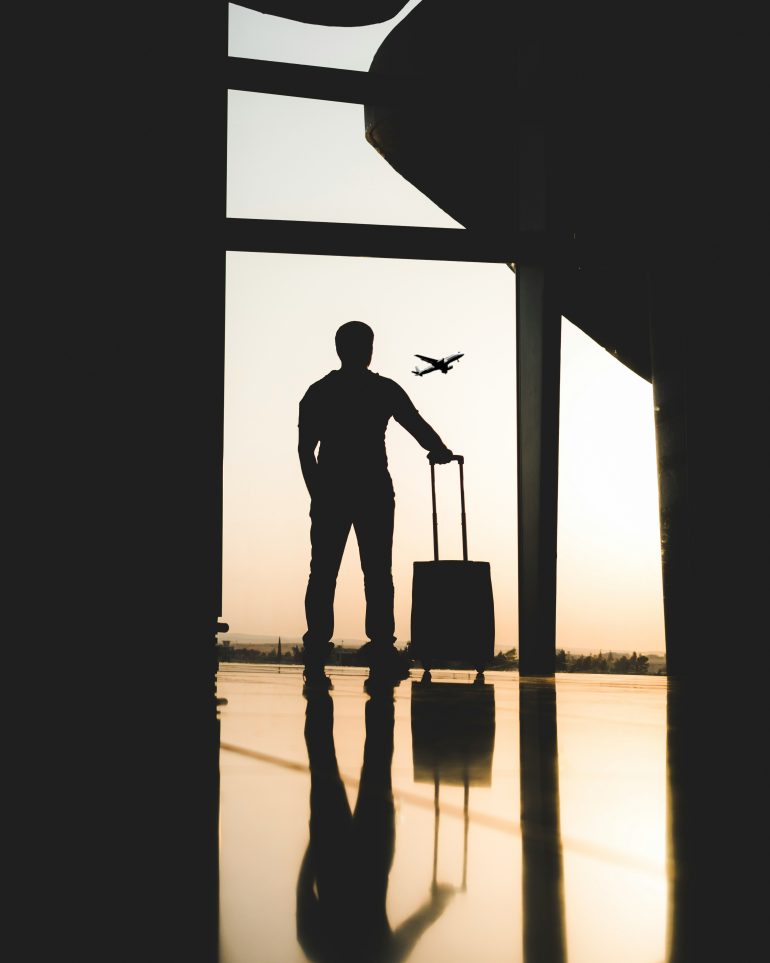
The idea of traveling alone can feel exciting and nerve wracking at the same time. You might have a destination in mind but no one free to join you, or you simply want a trip that runs on your own schedule with no compromises.
Traveling alone mainly comes down to a few core habits. You build a simple safety plan, pack light, choose accommodation that matches your comfort level, and stay open to small conversations along the way. Start with a short trip close to home and let your confidence grow from there. Once these basics feel natural, solo travel becomes far less scary and much more enjoyable.
Shift Your Mindset Before You Pack a Single Bag
Solo travel really begins in your head long before it begins at the airport. Feeling nervous before a first trip alone is completely normal and does not mean something is wrong. Most people who travel solo say early nerves fade within a day or two of arriving somewhere new. Once you settle in, moving at your own pace starts to feel natural instead of strange.
Give yourself permission to slow down and notice small details, like the smell of street food or the sound of a new language around you. Nobody is waiting on you, so there is no need to rush from one stop to the next. If you enjoy reading more about travel and everyday lifestyle topics while you plan, Lifecircu covers a wide range of ideas worth exploring. Treat this first trip as practice, not a performance you need to get right.
Is It Normal to Feel Lonely or Bored Traveling Alone?
Yes, and almost everyone feels this at some point during a trip. Loneliness tends to show up during long travel days, such as flights or bus rides, more than while exploring. Boredom is rare once you start moving around, but it can happen if you stay in one place too long without a plan. Both feelings usually pass after a short conversation with a stranger or a change of scenery.
Build a Simple Safety Plan Before You Leave
Feeling more relaxed mentally is one part of the experience. Feeling secure is the other, and that comes from preparation rather than luck. Before you leave, share your basic itinerary with someone you trust, including flight details and where you plan to stay each night. Many countries offer a free travel registration service through their foreign affairs department, which can help if an emergency comes up while you are away. Travel insurance is also worth the cost, since it covers medical issues, lost luggage, and trip cancellations. It also helps to keep photos of your passport and important documents saved on your phone, separate from where you keep the originals.
Once you arrive, a few simple habits go a long way toward keeping you safe. Stick to busy, well lit areas, especially after dark, and trust your gut if a place or person feels off. Save your destination’s emergency number in your phone before you need it, not after.
What Should You Do If Something Feels Wrong?
Trust that feeling first and ask questions later. You can leave a conversation, switch tables, or walk away from a situation without explaining yourself. Being polite matters, but your comfort matters more, and it is fine to be firm when you need to be.
Pack Light and Pack Smart
Your setup also affects how safe and comfortable you feel, and that starts with what you pack. Overpacking is one of the most common mistakes new travelers make when going it alone. When you are on your own, you carry everything yourself through airports, train stations, and uneven streets. A single carry on bag with a few mix and match outfits covers most short trips and saves you from constant repacking.
What to Pack vs What to Leave at Home
Worth packing includes a portable charger, offline maps saved before you leave, a compact door alarm, and clothes that mix and match easily across a few days.
Better left at home includes a separate outfit for every single day, full size toiletries, and anything you would be devastated to lose or damage.
Plan Enough WithoutOverplanning
Once your bag is sorted, the next step is your itinerary. A good trip still needs some structure, but too much planning can backfire. Book your first night of accommodation and your arrival transport before you leave, so you are not figuring things out while exhausted. After that, leave some days open so you can slow down or change plans based on how you feel once you arrive.
Traveling during shoulder season, the weeks between peak and off peak travel times, often means better prices and fewer crowds. It also gives you more room to rebook a tour or extend your stay somewhere you end up loving. Set a daily budget before you go, so you are not doing math every time you want a coffee or a snack.
Choose Accommodation That Matches Your Comfort Level
Planning naturally includes deciding where you will sleep, and this choice shapes how social or private your trip feels. Shared rooms in hostels are the cheapest option and make it easy to meet other travelers in common areas. Private rooms in hostels or guesthouses offer more rest while still keeping you close to other guests. Hotels give you the most privacy, though you may need to make a bit more effort to meet people if you want to.
How to Handle Eating Alone and Meeting People
Where you stay affects how easily you meet people, but eating alone is its own challenge. It feels strange at first, but it gets easier faster than most people expect. Sitting at the counter in a restaurant is often less awkward than a table for one, and it puts you closer to other solo diners. Food tours and cooking classes are also a solid way to eat well while meeting people in a relaxed setting. A small notebook or book at the table can also take the pressure off, giving you something to do between bites while you settle in.
Meeting people when you are on your own usually starts with small, low pressure moments. A short conversation with a host, a fellow guest, or someone in line for coffee can turn into plans for the day. Group day tours let you be social for a few hours without committing to a whole trip with someone else. Saying yes to small invitations, even when you feel tired, often leads to the best memories.
Where to Go for Your First Solo Trip
Once you know how you want your days to feel, choosing a destination becomes much easier. The right destination for this trip depends on what kind of traveler you are, not just what looks good in photos. If you enjoy a slower pace, somewhere with good train or bus connections lets you watch the scenery change without constant decisions. If you want built in social opportunities, places with a strong hostel culture make it simple to meet other travelers quickly.
For a relaxed trip focused on rest, a quieter beach destination can be ideal. The Pangasinan beach resorts in the Philippines are a good example, offering calm coastlines without the crowds of more famous beach towns. A slower setting like this gives you space to read, walk, and ease into the experience without a packed schedule. Matching the destination to your energy level matters more than picking the most popular option.
Common Mistakes First Time Travelers Make
A few mistakes come up again and again with people who are new to this, and most are easy to avoid once you know them. Packing too much is the biggest one, followed closely by planning every hour of every day and leaving no room to breathe. Skipping travel insurance to save a little money is another common regret, especially if anything unexpected happens along the way.
Some travelers also make the mistake of staying isolated for the entire trip, which can make loneliness worse instead of better. On the other end, ignoring your instincts around people or places just to avoid seeming rude can lead to situations you could have avoided. The goal is balance. Stay aware, but do not let fear run the whole trip.
Start Small and Let Confidence Build
Traveling alone is less about being fearless and more about being prepared and willing to start small. A simple safety plan, light packing, and a flexible schedule cover most of what you need. The rest comes from saying yes to small moments, whether that is a conversation, a local meal, or a slower pace than usual. This first trip does not need to be perfect, just honest about what you actually enjoy.