



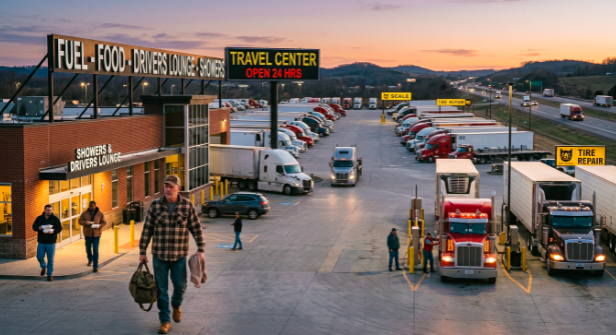
Introduction to Truck Stops and Their Expanding Importance
Truck stops are a fundamental part of the global transportation system, serving as essential service hubs for long-distance drivers and commercial freight operations. In modern logistics, where speed, efficiency, and reliability determine the success of supply chains, truck stops function as critical support points that keep vehicles, drivers, and goods moving without interruption. These facilities are not limited to fuel provision alone; instead, they offer a complete ecosystem of services including rest areas, food services, mechanical repairs, security monitoring, parking management, and advanced technological support systems. Without these stops, long-haul transportation would become significantly more dangerous, inefficient, and unsustainable.
The importance of truck stops continues to grow as global trade expands and e-commerce demands faster delivery timelines. Truck drivers often spend days or even weeks on the road, and during this time they rely heavily on these facilities for survival, recovery, and operational support. A modern truck stop is carefully designed to balance human needs with vehicle performance requirements, ensuring that both drivers and cargo reach their destinations safely and efficiently.
Historical Development and Transformation of Truck Stops
The concept of truck stops has changed significantly over time. In the early stages of road transport, there were no dedicated facilities for commercial drivers. Instead, they depended on small roadside eateries, fuel pumps, or informal parking spaces that lacked proper infrastructure and safety measures. These early stopping points were often unreliable and unsuitable for large vehicles, especially as freight transportation began to expand rapidly.
As highways and interstate road systems developed, the need for structured rest and refueling stations became more urgent. This led to the creation of dedicated truck stops specifically designed to accommodate heavy-duty vehicles. These early versions offered basic fuel services, limited food options, and simple parking spaces. However, as transportation demands increased, these facilities gradually evolved into highly organized service centers.
Modern truck stops are now comprehensive logistics hubs. They are strategically designed with multiple fueling stations, large parking areas, repair workshops, restaurants, rest cabins, retail stores, and digital service systems. This transformation reflects the growing complexity of global transportation networks and the increasing importance of efficiency in supply chain management.
The Critical Role of Truck Stops in Driver Safety and Fatigue Management
Driver fatigue is one of the most serious challenges in long-distance transportation. Extended hours of driving can significantly reduce alertness, reaction time, and decision-making ability, leading to a higher risk of road accidents. Truck stops play a vital role in addressing this issue by providing safe and structured environments where drivers can rest and recover.
These facilities include designated sleeping areas, shower rooms, relaxation lounges, and quiet zones that allow drivers to regain energy before continuing their journeys. Rest breaks are not only beneficial but often required by transportation safety regulations in many regions to ensure that drivers do not exceed safe driving limits.
In addition to physical rest, truck stops also support mental well-being. Long-distance driving can be isolating and stressful, especially when drivers are away from family for extended periods. Truck stops offer social interaction spaces, entertainment facilities, and comfortable environments that help reduce stress and improve psychological health. This combination of physical and mental recovery significantly enhances driver performance and road safety.
Fueling Systems and Efficiency Optimization
Fueling infrastructure is one of the most important features of any truck stop. Unlike standard fuel stations, truck stops are designed to handle large commercial vehicles that require high fuel volumes. These stations are equipped with multiple high-capacity fuel pumps, wide lanes for easy maneuvering, and efficient systems that minimize waiting times.
The efficiency of fueling operations directly impacts transportation schedules. When drivers can refuel quickly, they can maintain delivery timelines and reduce delays across the supply chain. Many modern truck stops also incorporate digital fuel monitoring systems that help fleet operators track fuel consumption, improve efficiency, and manage operational costs more effectively.
Additionally, the transportation industry is gradually shifting toward more sustainable fuel options. Some truck stops now offer biodiesel, LNG, and electric charging stations to support environmentally friendly transportation technologies. This transition is becoming increasingly important as industries move toward reducing carbon emissions and adopting cleaner energy solutions.
Vehicle Maintenance, Repair Services, and Preventive Care
Commercial trucks undergo significant wear and tear due to long-distance travel, heavy loads, and continuous operation. Because of this, maintenance and repair services are essential components of truck stop facilities. Many truck stops include fully equipped workshops staffed by trained mechanics who can handle a wide range of mechanical issues.
Common services include tire replacement, brake system repairs, oil changes, engine diagnostics, battery testing, and minor electrical repairs. These on-site services help drivers avoid long breakdown delays and ensure that vehicles remain operational during critical deliveries.
Preventive maintenance is equally important. Regular inspections help identify small mechanical issues before they escalate into major failures. This proactive approach reduces downtime, improves safety, and extends the lifespan of commercial vehicles. By integrating maintenance services directly into truck stops, the transportation system becomes more reliable and efficient.
Food Services, Nutrition, and Driver Health Support
Proper nutrition is essential for maintaining energy levels, concentration, and physical endurance during long-distance driving. Truck stops provide a variety of food services to meet these needs, including fast food counters, cafeterias, and full-service restaurants.
These facilities are designed to operate 24 hours a day, ensuring that drivers can access meals regardless of their travel schedules. This is particularly important in the transportation industry, where driving hours often extend into the night or early morning.
In recent years, there has been an increasing focus on healthier food options. Many truck stops now offer balanced meals, fresh ingredients, and dietary alternatives alongside traditional fast food. This shift reflects growing awareness of health and wellness among professional drivers.
Hydration is also a critical factor. Clean drinking water and beverage options are widely available to ensure drivers remain properly hydrated throughout their journeys, which is essential for maintaining alertness and preventing fatigue.
Security Systems and Cargo Protection Measures
Security is a top priority in truck stop operations because commercial trucks often transport valuable goods across long distances. To ensure safety, truck stops are equipped with multiple layers of security systems including CCTV surveillance, trained security personnel, and controlled access points.
Well-lit parking areas and organized layouts help reduce risks of theft, vandalism, and unauthorized access. These measures create a secure environment where drivers can rest without worrying about their vehicles or cargo.
Emergency response systems are also an important part of security infrastructure. In case of accidents, mechanical failures, or medical emergencies, immediate assistance is available to ensure driver safety and minimize disruptions. These comprehensive security systems make truck stops safe and reliable resting points for long-haul transportation.
Parking Management and Space Optimization Strategies
Parking is one of the most challenging aspects of commercial transportation due to the large size of trucks and the need for organized space. Truck stops are specifically designed to address this issue with structured parking systems that accommodate multiple vehicles efficiently.
Modern facilities often include designated parking zones for different types of trucks, clear signage, and traffic management systems to ensure smooth movement within the area. Some advanced truck stops also offer digital reservation systems that allow drivers to book parking spaces in advance, reducing uncertainty during travel.
Proper parking infrastructure is essential not only for convenience but also for regulatory compliance. Many transportation laws require drivers to take mandatory rest breaks, and adequate parking ensures that these requirements can be met safely and efficiently.
Technological Advancements in Truck Stop Operations
Technology has significantly transformed the way truck stops operate. Digital payment systems, automated fuel dispensers, GPS tracking tools, and mobile applications have made services more efficient and user-friendly.
Drivers can now access real-time information about fuel prices, parking availability, and service wait times before arriving at a truck stop. This allows for better planning and reduced delays during long journeys.
Fleet management systems also integrate with truck stop services to monitor vehicle performance, fuel usage, and maintenance schedules. These technologies improve operational efficiency and help logistics companies optimize their transportation networks.
Some truck stops are evolving into smart logistics hubs that use data analytics and automation to improve service delivery. This technological evolution is shaping the future of transportation infrastructure.
Environmental Sustainability and Green Practices
Environmental sustainability has become an important focus in the development of modern truck stops. Many facilities are adopting eco-friendly practices such as energy-efficient lighting, solar power systems, water conservation methods, and waste recycling programs.
Electric charging stations for trucks and alternative fuel options are becoming increasingly common as the industry shifts toward cleaner energy sources. These initiatives help reduce carbon emissions and promote environmentally responsible transportation practices.
Sustainable development not only benefits the environment but also reduces long-term operational costs and improves efficiency for service providers and drivers alike.
Economic Impact of Truck Stops on Transportation Systems
Truck stops contribute significantly to economic development by supporting the transportation industry, which is a backbone of global trade. These facilities create employment opportunities for mechanics, drivers, food service staff, security personnel, and administrative workers.
They also play a crucial role in ensuring supply chain continuity. Any disruption in truck stop operations can lead to delays in product delivery, affecting businesses, retailers, and consumers.
In addition, truck stops stimulate local economies by attracting commercial traffic and encouraging the development of surrounding infrastructure such as restaurants, shops, and service centers.The future of truck stops is closely tied to advancements in transportation technology. With the rise of electric trucks, autonomous driving systems, and smart logistics networks, truck stops will continue to evolve into more advanced service hubs.
Future facilities are expected to include automated charging stations, AI-based traffic management systems, robotic maintenance services, and fully digital operational environments. Despite these technological changes, the core purpose of truck stops will remain the same: to support drivers and ensure the smooth movement of goods.
Conclusion
Truck stops are an indispensable part of modern transportation systems, providing essential services that ensure the safety, efficiency, and continuity of long-distance freight movement. From fueling and maintenance to rest, food, and security, these facilities support every aspect of commercial driving.
As the transportation industry continues to evolve, truck stops will become even more advanced and technologically integrated. However, their fundamental role will remain unchanged: to provide reliable support for drivers and maintain the uninterrupted flow of goods across highways and global supply chains.