



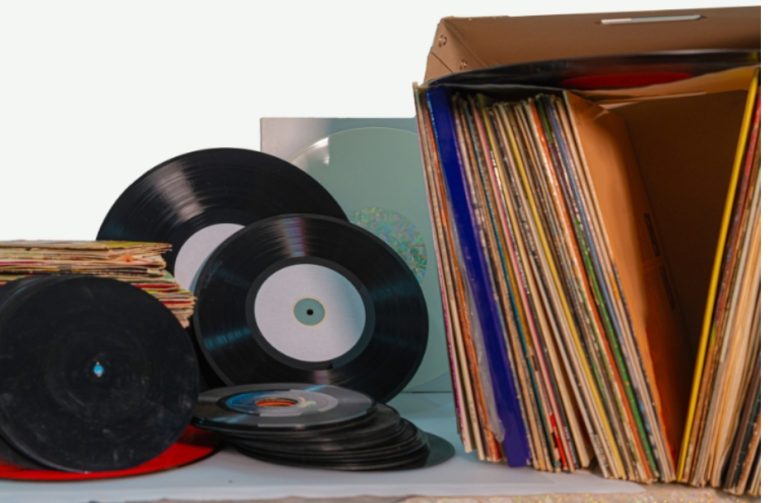
For decades, vinyl records were viewed as outdated technology, replaced by CDs, downloads, and eventually streaming platforms. Yet over the last several years, vinyl has returned to mainstream culture in a way few expected. What began as a niche collector hobby has evolved into a broader lifestyle movement tied to identity, aesthetics, and cultural credibility.
Today, owning vinyl is about more than simply listening to music. Records have become part of how people present themselves online, decorate their homes, and engage with pop culture. From celebrity album drops to curated listening spaces shared across social media, vinyl has shifted from a practical format into a modern status symbol.
This transformation reflects larger cultural trends surrounding nostalgia, authenticity, and the growing desire for tangible experiences in an increasingly digital world.
Vinyl Became a Visual Lifestyle Statement
One of the biggest reasons vinyl regained popularity is its visual appeal. Unlike streaming playlists hidden inside apps, vinyl records are physical objects designed to be displayed, photographed, and collected.
Album artwork plays a major role in this appeal. Gatefold packaging, colored pressings, lyric inserts, and limited-edition variants have turned records into collectible design pieces rather than simple music products.
Social media platforms accelerated this trend. Vinyl collection videos, shelf displays, listening room tours, and “now spinning” posts became common across TikTok, Instagram, and YouTube. In many cases, records began to function as lifestyle accessories tied to personal taste and identity.
Certain albums also became cultural markers within online communities. Owning specific pressings or limited editions often signaled deeper engagement with music culture beyond casual streaming habits.
This visual and collectible aspect helped vinyl evolve into something much broader than a listening format.
Celebrity Influence Helped Normalize Vinyl Culture
Mainstream artists also played a major role in bringing vinyl back into pop culture conversations. Instead of treating records as collector-only merchandise, many musicians began prioritizing vinyl releases as central parts of album rollouts.
Artists such as Taylor Swift, Harry Styles, Lana Del Rey, and Lorde helped introduce vinyl collecting to younger audiences who had grown up entirely in the streaming era. Their records often featured exclusive artwork, alternate covers, or special color variants designed specifically for collectors.
Limited-edition releases created anticipation similar to sneaker drops or fashion collaborations. Fans were no longer just buying music; they were purchasing an experience tied to fandom and exclusivity.
This shift also changed how younger audiences viewed physical media. Vinyl ownership increasingly became associated with taste, cultural awareness, and participation in broader entertainment trends.
Scarcity and Exclusivity Increased Vinyl’s Cultural Value
Part of vinyl’s appeal comes from scarcity. Unlike digital music, records can sell out, become difficult to find, or gain value over time. This creates a sense of exclusivity that streaming platforms cannot replicate.
Collectors often look for:
- Limited-edition color pressings
- First editions or original pressings
- Record Store Day exclusives
- Signed albums
- International variants
- Out-of-print releases
As vinyl collecting expanded, owning rare or visually unique records became a way to stand out within music communities. In some circles, collections began carrying a level of social prestige similar to fashion, sneakers, or art collecting.
This exclusivity has also encouraged fans to pay closer attention to release schedules, pressing announcements, and special editions tied to major artists.
Streaming Changed How People Value Physical Music
Ironically, the rise of streaming may have helped vinyl become more desirable. When nearly every song became instantly accessible online, physical music started feeling more intentional and personal.
Streaming prioritizes convenience, but vinyl offers ritual and presence. Playing a record requires time, attention, and interaction. For many listeners, that slower experience feels increasingly valuable in a culture built around constant digital consumption.
This dynamic has made records particularly appealing to younger audiences seeking experiences that feel more tactile and authentic. Some listeners describe vinyl as a way to reconnect with music as a focused activity rather than passive background noise.
The resurgence of artist-focused collections has also contributed to this trend. Stores such as Evergreen Vinyl reflect growing demand for curated artist releases, including collectible editions tied to musicians with highly engaged fan communities.
In many cases, fans are not simply purchasing albums; they are building collections connected to personal identity and nostalgia.
Vinyl Collecting Became Part of Home and Fashion Culture
Vinyl’s resurgence also coincided with broader lifestyle trends centered around retro aesthetics and analog culture. Turntables, speakers, and record storage furniture became integrated into interior design trends across apartments, studios, and social media spaces.
For some consumers, vinyl ownership represents a rejection of disposable digital culture in favor of slower, more curated experiences. Record collections often serve both functional and decorative purposes within living spaces.
Fashion trends reinforced this image as well. Vintage clothing, film photography, cassette players, and retro technology all returned to prominence around the same time vinyl regained popularity. Together, these trends created a larger cultural movement centered around nostalgia and authenticity.
In entertainment media, records are also frequently used as visual shorthand for creativity, taste, or individuality. Characters in films, television shows, and music videos are often shown flipping through vinyl collections or listening to records as a way to communicate personality and cultural sophistication.
The Meaning of Vinyl Continues to Evolve
While vinyl remains rooted in music culture, its meaning has expanded significantly over time. For some people, records represent nostalgia. For others, they function as collectible art, social currency, or a more intentional way to experience music.
The modern vinyl market now sits at the intersection of entertainment, fashion, design, and identity. It appeals to longtime collectors as well as younger audiences discovering physical music formats for the first time.
As streaming continues to dominate everyday listening habits, vinyl’s role may continue shifting further toward experience and cultural expression rather than convenience alone.
Ultimately, the rise of vinyl as a status symbol reflects something larger happening within pop culture. In a world built around instant access and digital overload, physical objects that feel personal, curated, and tangible have gained new emotional and cultural value. Vinyl records happen to sit directly at the center of that shift.