


AI technology is changing how we create and consume digital content. One of the most interesting innovations in recent years is image-to-video conversion. Instead of editing videos manually, users can now turn static images into moving visuals using artificial intelligence.
In this guide, we will explain how this technology works, why it matters, and how tools like Image to Video AI and Image to Video AI Free are making motion content creation easier than ever.
What Is Image to Video AI?
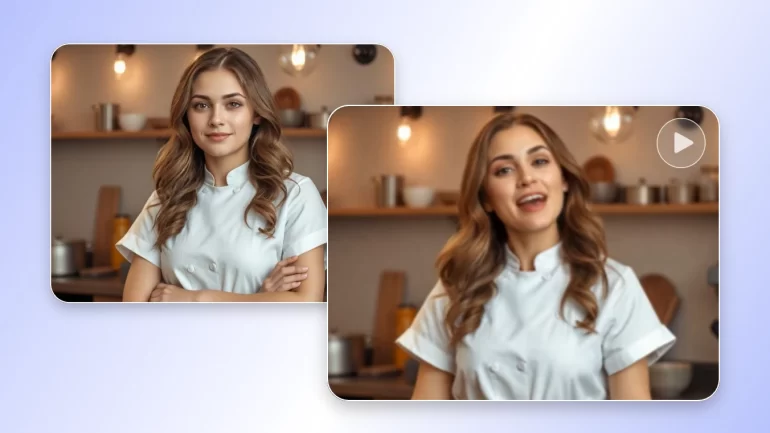
Image to video AI is a technology that converts still images into short animated videos. It uses artificial intelligence to predict motion, depth, and movement within a single image.
For example:
- A portrait can be animated to show facial movement
- A landscape image can include moving clouds or water
- A product photo can be turned into a dynamic marketing clip
Instead of manually animating frames, AI generates motion automatically.
How Image to Video AI Works
This technology uses machine learning models trained on large video datasets. The system learns how objects typically move in real life.
Here’s a simplified process:
- User uploads an image
- AI analyzes objects, depth, and structure
- Motion patterns are predicted
- Frames are generated to simulate movement
- A short video is created
The result is a smooth animation created from a single image.
Why Image to Video AI Is Becoming Popular
There are several reasons why this technology is growing fast:
1. Easy Content Creation
No video editing skills are required.
2. Fast Results
Videos are generated in seconds or minutes.
3. Cost-Effective
No need for expensive editing software or tools.
4. Creative Flexibility
Any image can be turned into motion content.
What Makes AI Image Animation Useful
Image-to-video AI is not just a trend—it has practical use cases.
Social Media Content
Animated visuals perform better than static images.
Marketing Campaigns
Brands use motion content to increase engagement.
Digital Storytelling
Creators can bring photos to life for storytelling purposes.
Product Promotion
Static product images can become dynamic ads.
Key Features of Image to Video AI Tools
Modern tools offer several useful features:
Motion Prediction
AI determines how objects should move naturally.
Depth Simulation
Adds realism by simulating foreground and background movement.
Style Control
Users can choose animation styles or effects.
Fast Processing
Videos are generated quickly without manual editing.
Step-by-Step: How to Use Image to Video AI
If you are new to this technology, here is a simple guide:
Step 1: Upload an Image
Choose a clear and high-quality image.
Tips:
- Use sharp images
- Avoid heavy blur
- Ensure subject is visible
Step 2: Select Animation Style
Some tools allow you to choose motion effects like:
- Slow zoom
- Facial animation
- Background movement
Step 3: Generate Video
Click generate and let AI process the image.
Step 4: Preview Result
Check if:
- Motion looks natural
- Subject remains clear
- No distortion appears
Step 5: Download Video
Once satisfied, save your animated video.
Image to Video AI vs Traditional Video Editing
Let’s compare both approaches.
Traditional Editing
- Requires software like After Effects
- Time-consuming
- Needs technical skills
AI-Based Conversion
- Fully automated
- Fast results
- Beginner-friendly
For most users, AI tools are much more efficient.
Free vs Paid Image to Video AI Tools
Many platforms offer both free and premium versions.
Free Tools
- Basic animation features
- Limited export quality
- Good for casual use
Paid Tools
- Higher video quality
- Advanced motion control
- Faster processing
A Image to Video AI Free tool is usually enough for simple projects and testing.
Common Use Cases
Image-to-video AI is used in many industries:
Social Media Creators
Turn photos into engaging video posts.
Businesses
Create marketing content from product images.
Designers
Add motion to portfolios and presentations.
Educators
Use animated visuals in learning materials.
Benefits of Image to Video AI
This technology offers several advantages:
No Editing Skills Required
Anyone can create videos.
Time Saving
Automates the entire animation process.
High Creativity
Transforms simple images into engaging visuals.
Scalable Content Creation
Useful for bulk content generation.
Limitations to Understand
While powerful, the technology is not perfect:
- Motion may not always be accurate
- Complex images can reduce quality
- Limited control in free versions
- Results depend on input quality
Knowing these helps set realistic expectations.
Tips for Better Results
To improve output quality, follow these tips:
Use High-Resolution Images
Clear images produce better animations.
Keep Background Simple
Simple scenes improve motion accuracy.
Test Different Images
Not all images animate equally well.
Avoid Overloaded Frames
Too many objects can confuse AI.
How AI Is Changing Video Creation
AI is reshaping how videos are made. Instead of spending hours editing, users can now create motion content in minutes.
Future improvements may include:
- Real-time image animation
- Better facial movement accuracy
- More detailed motion control
- 3D animation from single images
This will make content creation even more accessible.
Is Image to Video AI Worth It?
Yes, for most users it is very useful.
It is especially helpful if you:
- Create social media content
- Run online marketing campaigns
- Want quick visual content
- Don’t have editing experience
A tool like Image to Video AI simplifies the entire process and removes technical barriers.
Final Thoughts
Image-to-video AI is a major step forward in digital content creation. It allows users to transform static images into dynamic videos without needing advanced editing skills.
Tools like Image to Video AI and Image to Video AI Free make this technology accessible to everyone, from beginners to professionals.
As AI continues to evolve, image animation will become even more realistic and widely used. For now, it offers a fast, simple, and effective way to bring still images to life and create engaging visual content.