

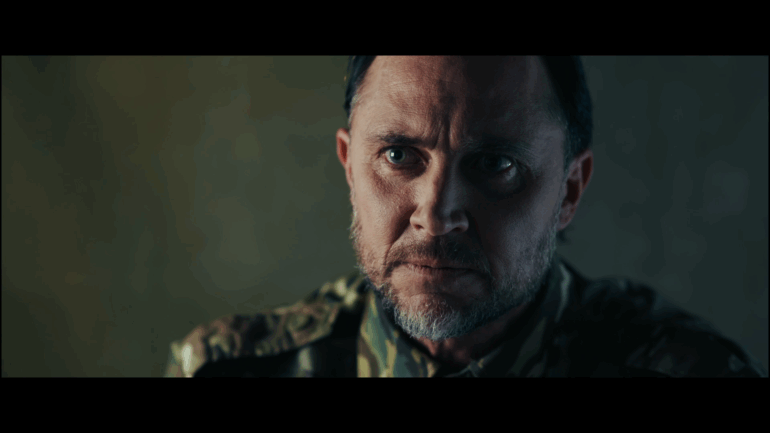
In Epic Pictures’ Lost Horizon, South African actor Llewellyn Cordier brings a commanding presence shaped by years of action training and a deep understanding of physical storytelling. Speaking with the precision of someone who lives and breathes the genre, Cordier dives into the film’s intense creative process, the world-class stunt design led by director Patrick Garcia, and the philosophy behind his own movement style—offering The Action Elite a grounded, behind-the-scenes look at what it takes to make action feel authentic on screen.
The Action Elite audience loves hearing about the action itself—what was the toughest stunt or fight beat you had to pull off in Lost Horizon?
Unfortunately, there actually weren’t any fight scenes for my character in Lost Horizon. In my opinion, I was underutilized in that regard. My role ended up being more of a cameo presence than a full action contribution. It’s a pity, because I have extensive training and I’ve done some very demanding fight sequences on several international productions, so I came into this film prepared for that level of physicality. But in this case, my stunt capability was used more in terms of appearance rather than execution. Still, I brought as much intensity, presence, and physical truth to the character as the script allowed.
What was your reaction the first time you saw the stunt team’s pre-viz for your big action sequences? Did the scale surprise you?
Look, I’m going to be very honest with you — the stunt team did incredible work, but what really stood out to me was how completely it was overseen and elevated by our director, Patrick Garcia. His understanding of stunt design, camera movement, rhythm, and physical storytelling was on another level. Every beat he laid out was pinpoint accurate, intentional, and executed with world-class precision. So when the sequences were presented to me, what struck me wasn’t just the action itself, but Patrick’s command over it. He had this ability to shape the chaos into something controlled and cinematic, and that’s what truly impressed me.
Every action star has a preferred “language” of movement—speed, power, precision, fluidity. How would you describe your own action style?
For me, it’s pretty simple — I take all the training I have and blend every aspect of it. I use speed, power, precision, and fluidity because I believe a good stunt performer needs to be competent in all of those disciplines. You can’t rely on just one. Every scene demands something different, so I bring a full toolkit to set. That balance is what allows the movement to feel authentic and adaptable.
Did you perform most of your own stunts, and was there a moment where you insisted on doing something the stunt coordinator wasn’t sure you should?
From day one in my career, I’ve always performed my own stunts. That’s something I insist on, because if I’m booked for a role, then I believe I should embody every aspect of that role — physically, emotionally, and technically. On other productions, I’ve had many conversations with stunt coordinators who politely advised me not to attempt certain beats. And with all due respect, I’ve told them the same thing every time: “This is my character, this is my physicality, and I want my essence to be what the audience sees on screen.” For me, authenticity is everything, and if I can safely perform it myself, I always will.
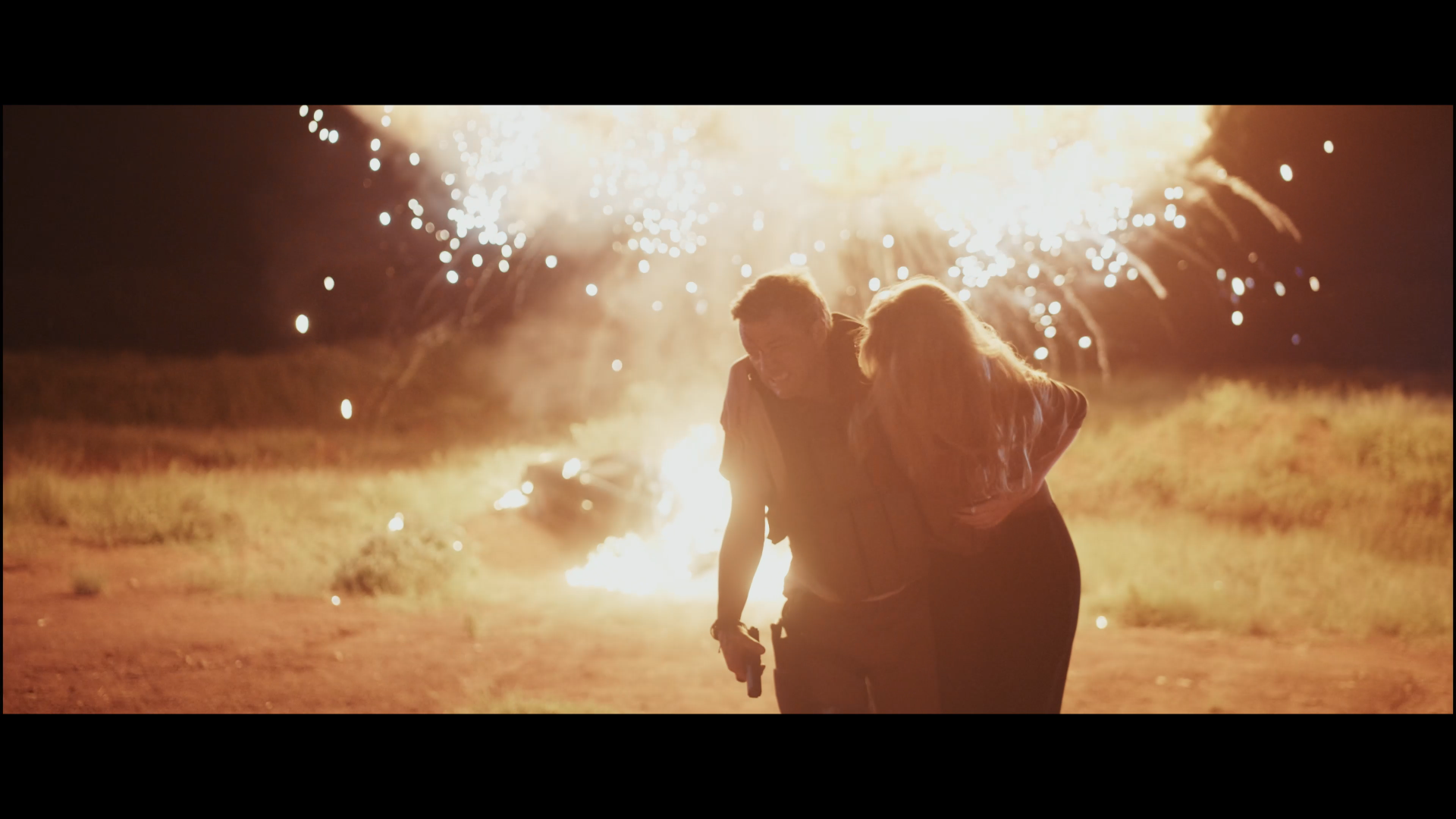
Fight scenes often take days to shoot. What was the most demanding sequence physically, and how did you keep your energy up between takes?
As I’ve mentioned before, I didn’t have any fight sequences in Lost Horizon. In this film, my character functioned more as a presence — a force in the story without ever having to lift a finger. But on other productions, fight sequences have been a major part of my roles, and those days can be incredibly demanding. The longest fight sequence I’ve ever shot actually took a full week to complete. It was an intense tactical scene involving a team of actors, so every movement had to be carefully planned, properly choreographed, and covered from multiple angles and heights. When you’re working at that level, it becomes a test of endurance and focus — you maintain your energy by staying disciplined, staying warm, and staying connected to the story beat you’re fighting for.
How hands-on was director Patrick Garcia in crafting the choreography? Did he let the stunt team lead, or was he shaping beats moment-by-moment?
As I’ve mentioned before, Patrick Garcia is a real standout director in my opinion. He’s extremely hands-on when it comes to the stunt work, and you can see immediately that he understands the action genre on a deep level. He knows exactly how he wants it shot, he knows the angles he needs to cover, and he has a clear vision of how each beat should land on screen. The stunt team is excellent, but Patrick brings that extra layer of precision and clarity that ties everything together. His handle on action is complete — conceptually, technically, and visually — and it shows in every frame.
What kind of training regimen did you follow leading up to the shoot—combat, weapons, conditioning? Anything you found unexpectedly difficult?
I always stay in good action fitness, regardless of the role. I keep a solid action-focused training regime because at a moment’s notice I need to be ready for any type of filming — whether it’s combat, weapons work, or heavy conditioning. Those elements are part of my normal routine, not something I switch on only for a specific project. And again, I didn’t have any action sequences in this movie, so honestly the hardest thing I had to do on this one was sit down and stand up. But I stayed ready, as always, because preparation is part of who I am as a performer.
Did working on Lost Horizon change how you view action cinema or the work that goes into making a convincing on-screen fighter?
To be honest, not really. As I’ve mentioned before, I wasn’t included in many of the action sequences on Lost Horizon, so my involvement on that side of things was little to nothing, unfortunately. I didn’t get the chance to dive into the physical work the way I normally would. So while I always respect the craft and the effort that goes into action filmmaking, this particular project didn’t shift my perspective in any major way. My appreciation stays the same — high as ever — but my role here didn’t give me much to explore physically.
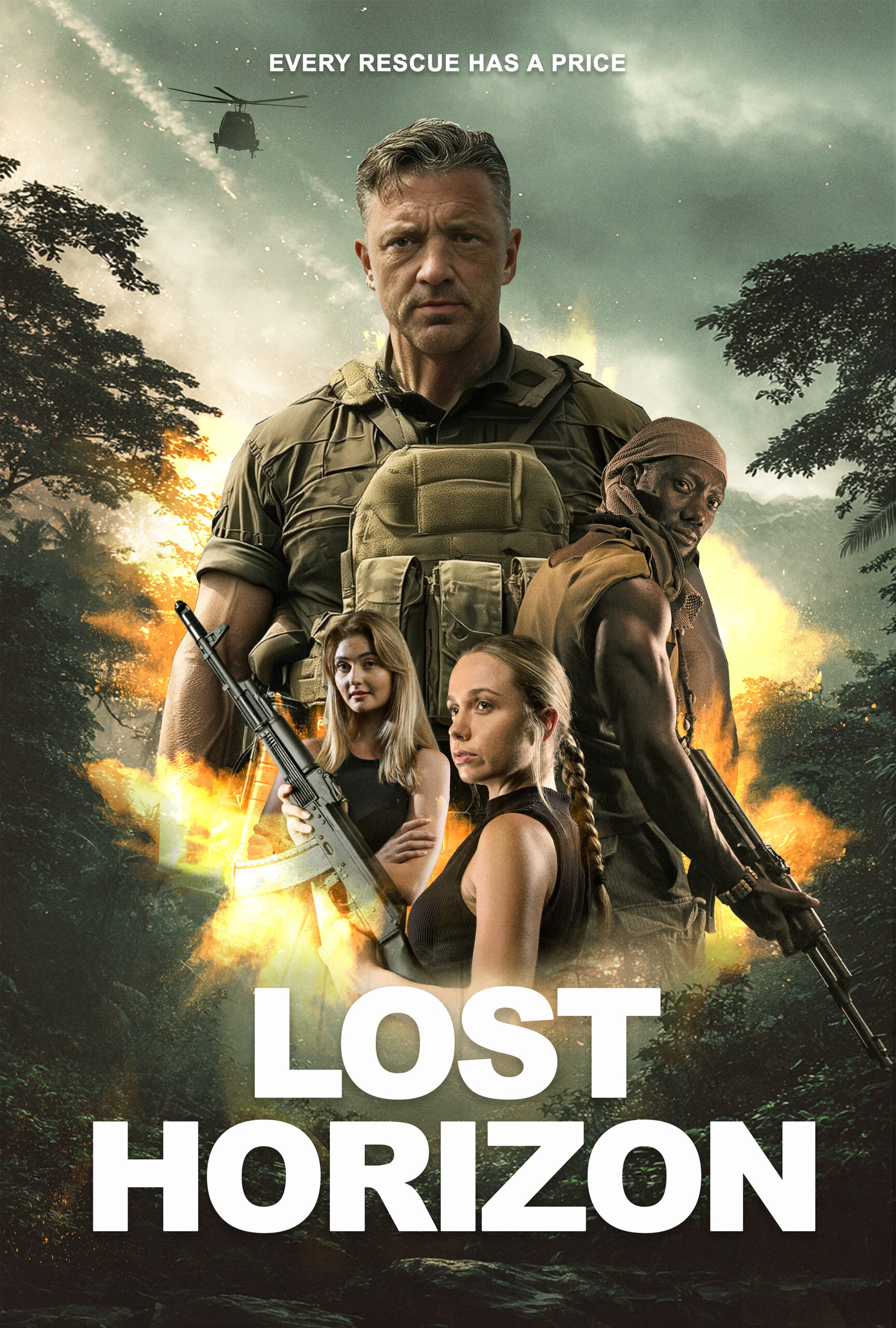
Were you inspired by any classic action stars or films when building your character’s physical identity and fighting approach?
A hundred percent — one of the main reasons I wanted to get into action movies in the first place was Jean-Claude Van Damme. He was my first real inspiration, the OG for me. Over the years my influences have definitely grown, and at the top of that list is Tom Cruise. Working with him is still a big bucket-list goal of mine, and I feel like I’m getting closer. I’ve already had the privilege of working with Tom Berenger and Chad Michael Collins this past year, which was a massive step for me. But if we’re talking about the spark that started it all? That was Van Damme.
If you could take on another action subgenre next—martial arts, tactical, sci-fi, car-chase heavy—what would you want to dive into?
I would really love to dive into the martial arts side of action. I’ve done almost everything else many, many times over — tactical work, military-style roles, weapons-heavy sequences, the whole spectrum. But the one area I haven’t truly been able to submerge myself in yet is martial arts. There’s a discipline and a beauty to that style of movement that I’d love to explore on a deeper level. It would push me in a new way, and I’m ready for that challenge.
What do you hope hardcore action fans—the Action Elite crowd—take away from your performance in Lost Horizon?
What I hope hardcore action fans take from my performance is that it’s real, grounded, and true to the character. Even though my role wasn’t action-heavy, I wanted to make sure the presence I brought to the screen felt authentic and honest. That’s all I can really hope for — that the audience feels something when my character appears. And when it comes to the action itself, I hope they appreciate the rawness and the reality of it. I’m a big believer in keeping things simple and truthful — punches hurt, bullets kill, and action shouldn’t feel cartoonish. So if the fans walk away feeling the weight, the grit, and the authenticity of that world, then that means the job was done right.