

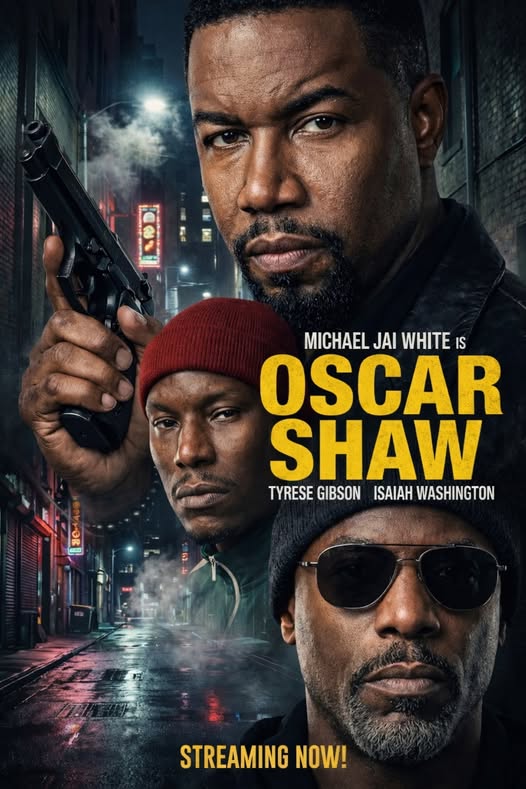
Michael Jai White stars in Oscar Shaw and is best known for his work across action and genre films including SPAWN, UNDISPUTED 2, BLACK DYNAMITE, BLOOD AND BONE, and NEVER BACK DOWN 2. In addition to starring, he has built a long-running career as a producer and director within the independent action space.
Isaiah Washington is best known for his role on the long-running medical drama GREY’S ANATOMY, and has also starred on the CW’s hit sci-fi series THE 100, STARZ’s breakout drama P-VALLEY, and more recently in the award-winning independent film CORSICANA, which also marked his directorial debut.
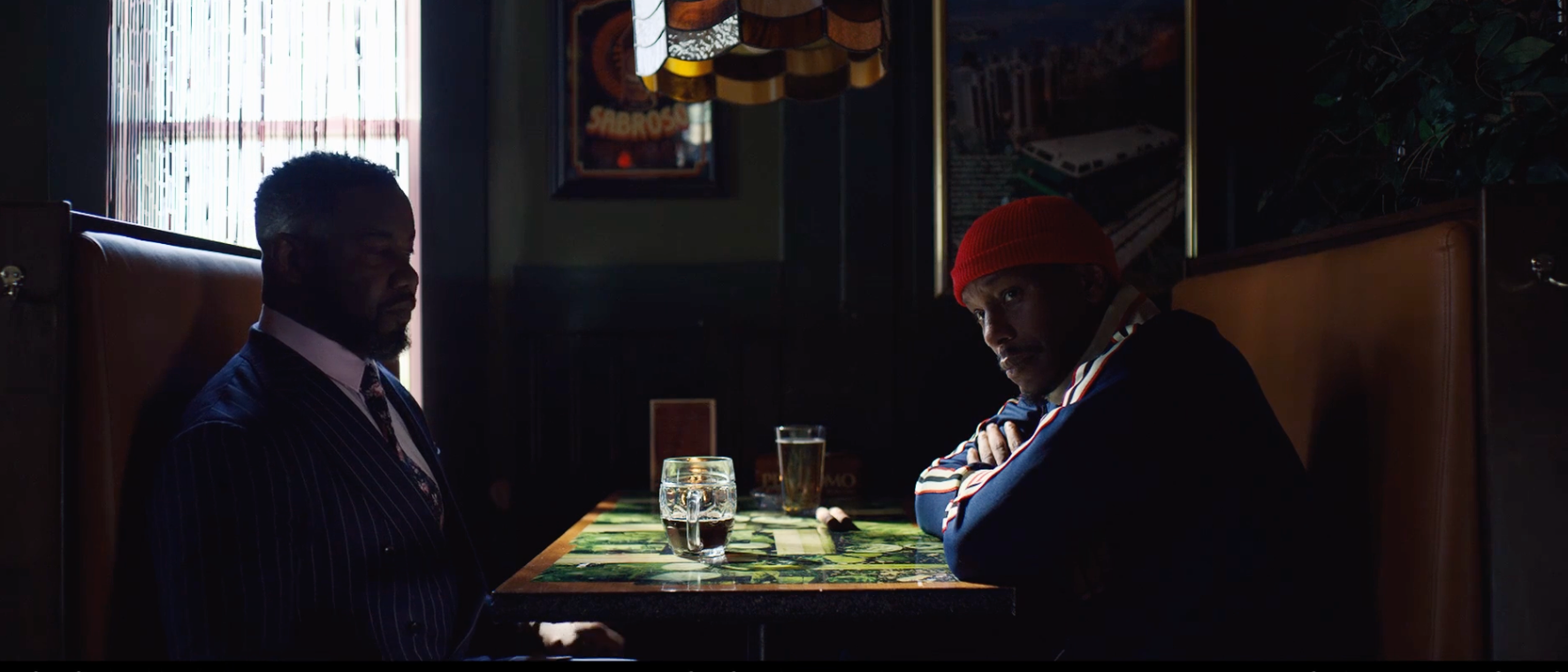
Michael and Isaiah stopped by to chat with us about their new movie, Oscar Shaw which is out now.
Today we’re going to be talking about Oscar Shaw. I liked this movie because it was an inspirational tale, which isn’t something we get to see that much of these days. I think the world kind of really needs Oscar Shaw. So, what was it that appealed to both of you about the script for it?
Michael: Well, I mean, I felt very connected to it. I don’t know if I’m calling myself lazy, but I don’t think I had to do a lot of work. Because I feel like I’m a big fan of Tyrese and Isaiah Washington here, and I think he’s one of the greatest actors out there, so it’s just wonderful to be working with them again, and then having a very rooted story that I feel like is beyond a movie, it feels like it could really happen. That’s what brought me to it and it made me very excited.
Isaiah: I’m a huge fan of Storious King. Michael and I were working on a previous project that we bumped into and reconnected after years. I felt like I really owed him a performance. For many years, I really wanted to work with him on our terms.
Michael: He turned down Blood and Bone. That’s what happened! (laughs)
How could he? (laughs)
Isaiah: It was a mistake, but I hope I’ve made up for it and briefly, I’m a fan of Mike’s work. I’ve watched almost everything that’s out there. Just rooting him on. So, when we got the call, and I read the script, and it’s still my decision, right? I mean, I respect the man, but if I can’t connect with it, it doesn’t matter how many scenes, whatever, I have to connect to the story. It’s a lot of societal ills in a very entertaining way that it’s not heavy-handed. It doesn’t poke you in the face. It doesn’t knock you out. It doesn’t scream at you. But I think a lot of people are going to walk away with saying, “we need about 30 million Oscar Shaws in this country”. I think it’s going to be very inspirational in a way, and not a violent way, but I think this movie will have people be inspired to push more legislation or push more of themselves in the community to get involved and say, “you know what we have to take responsibility for where we are, and not just rely on law enforcement all the time”. And if you do, we have to keep in mind that law enforcement needs to feel inspired and engaged by their community as well. They can’t feel like the bad guy all the time, trying to do it. Because this movie really, there’s a lot going on in this movie that I know I got to give it up to Michael. I know it wasn’t on the script that I really read, so I have to give up a lot of the nuance that’s happened in this movie in terms of leadership, inspirational masculinity, what men do, what fathers do. It’s a lot going on, and I have to give that leadership up to Michael, because I know Michael steered this peace, this love for humanity into this film. It’s not easy to do when you have to work with so many people. So yeah, he pulled it off.
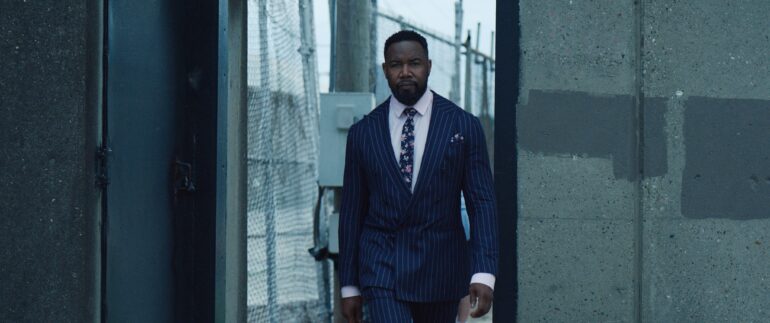
So, Michael, one of my favorite aspects of the movie is your amazing wardrobe…
Michael: (laughs) Well, it turns out all of those were my clothes! Sometimes to get these movies done, nowadays, you got to roll your sleeves up. Sometimes, they have to be your real sleeves. I got to give credit to my wife, who’s the one who put those outfits together those happen to be mine. And so, what we have to do is, like, nowadays, you have to deliver the same type of movie that people expect with less than half of the budget sometimes.
So, as this might be in the lineage of action movies, the Death Wishes and all those types of things, these movies are a lot more expensive, but they have to be done in half the time. And so, sometimes, it requires you having to kind of make concessions. In this situation, I willfully said, “hey, let me bring my own wardrobe. I ain’t that easy to fit”. So, I’ve got, like, tailored things. So, it kind of actually comes right around, because a lot of that stuff was wardrobe from other movies. You know how that works. You kind of take the wardrobe they had to fit you. It ain’t going to fit nobody else. You take it. You use it. This is a story of one of my own mentors.
Isaiah: To piggyback on what he’s saying, and I got a chance to talk to this man every Saturday for 10 years. Every Saturday, we did mix and conversation. And this man, Sidney Poitier, told me that when he wasn’t happy with the studio films, he and a bunch of friends decided to get together. He took his own wardrobe out of the closet, and they went and made this movie called Lilies of the Field. And that’s how I kind of feel with the energy, the true independent spirit energy, that could also have a big story that studios like to put out there, but maybe not quite keep the heart of it right, because it’s just so much money involved. I pretty much wore my own wardrobe as well and I loved it, because it took me back to what Sidney Poitier said, “sometimes it’s not just about the money. It’s about what you do with your time. What are you doing with your creativity? How are you going to show up?” And when I look at this movie, I’m very proud to say that we all showed up in our way. And at the end of the day, nobody cares how much the movie cost, how much we got paid. Nobody cares about that. It’s like, did it resonate with you? Out of all the movies that you can choose to watch in your lifetime, did this movie make an impact on you in ways that you probably didn’t expect to? And I think Oscar Shaw is certainly going to do that.
Following on from that, Michael, what would you like audiences to take away from the film? How would you like it to resonate with them?
Michael: Yeah, I would like to leave them with some thoughts that, okay, there’s the movies, there’s the popcorn movies, and there’s movies that actually offer something, there’s a communal thing involved, there’s a societal statement and sometimes you’re doing what you have to do, and roll your sleeves up and I guess, in the idea of bringing justice, and how you go about that. And so, I hope people see things that make them think. I feel like we kind of made a really grounded movie that feels more like real life than just the popcorn movies. I don’t want this to be the last Oscar Shaw; I want us to really delve into the stuff with Ernie’s character, my character, and how we develop that, that family and moving on, because we have a lot more story to tell.
Yeah, we’ve only scratched the surface of these characters, so I feel like we definitely want to see more of them in the future.
Michael: Yeah!
Isaiah: I think that the bigger thing that I hope people will pick up, and that’s one of the main reasons why I said yes to this particular story, is I’m working on a project that’s going to address accountability and justice, and what does that look like, right? We all know in the country, in the world that certain entities are not being held accountable for their actions, and we’re not getting justice. So, as artists, artists have always been the ones that push humanity forward, right? Not politics, not money, not billionaires, artists. So, it’s our job as artists to show humanity what it could look like, what accountability and justice could look like, and I think that’s going to be the theme of the kind of movies that I want to be a part of. It’s like, we all have to, we’re all in this together, right? Or we like it or not, but I believe until the world and America sees a real accountability and justice for a number of things, right, there’s going to be a need for an Oscar Shaw, for sure.
100%! Alright, well, thank you very much for taking the time to chat with me today. All the best with the film and look forward to talking to you for part two someday.
Michael: All right, I’m looking forward to it.
Isaiah: Thanks very much.