



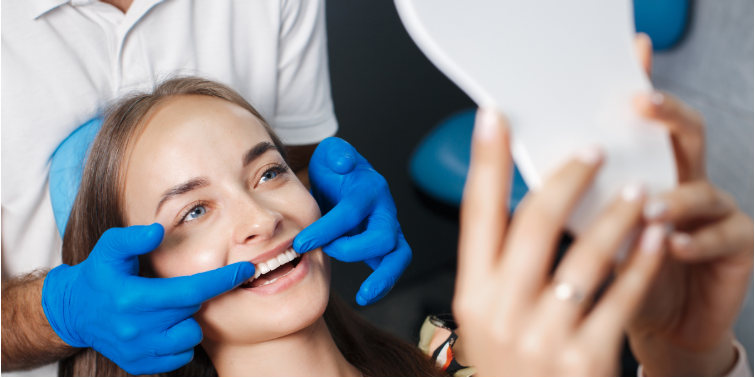
Nobody wants to trade a brighter smile for a week of wincing every time they drink something cold. If you already deal with sensitive teeth, the idea of whitening probably comes with a bit of hesitation, and that’s a fair concern to have before booking anything.
Plenty of people searching for best teeth whitening in Delhi ask this exact question before they commit, so here’s a clear look at what actually happens to sensitive teeth during whitening and how to approach it safely.
At a Glance: Whitening and Sensitive Teeth
- Whitening can cause temporary sensitivity, even in people who don’t normally have sensitive teeth.
- People with pre-existing sensitivity often need extra precautions, not a full skip of whitening altogether.
- Professional whitening under a dentist’s supervision is generally safer for sensitive teeth than at-home kits.
- Using desensitising toothpaste before and after treatment can reduce discomfort significantly.
- Sensitivity from whitening is usually temporary, fading within a few days for most people.
Why Does Whitening Cause Sensitivity in the First Place?
Whitening treatments use peroxide-based gels that temporarily open tiny channels in the enamel called tubules, allowing the whitening agent to reach the underlying dentin layer. This same process is what can let temperature and pressure reach nerve endings more easily, causing that sharp, short-lived discomfort some people feel.
For most patients, this sensitivity settles down once the enamel channels close back up after treatment, usually within a day or two. People who already have thinner enamel or exposed dentin from other causes tend to feel this effect more strongly during and after whitening.
What’s Actually Happening Inside the Tooth?
Enamel sits on top of a softer layer called dentin, which contains microscopic tubules connected to nerve endings deep inside the tooth. Whitening gel can temporarily make these tubules more permeable, which is why cold drinks or air can suddenly feel sharper right after a session, even in teeth that felt fine beforehand.
Is Whitening Actually Safe if You Already Have Sensitive Teeth?
Whitening can still be a safe option for most people with sensitive teeth, provided the process is adjusted with extra precautions and, ideally, done under professional guidance. The key difference is preparation rather than avoiding whitening altogether.
A dentist can assess the cause of your sensitivity first, since not all sensitivity comes from the same source. Worn enamel, receding gums, and untreated cavities can all cause similar symptoms, and whitening might not be appropriate until an underlying issue is addressed.
When Should You Avoid Whitening Completely?
Whitening isn’t recommended if you have active cavities, exposed tooth roots from significant gum recession, or cracked teeth, since the gel can reach nerve tissue directly in these cases and cause real pain rather than mild discomfort. A dental check-up beforehand helps rule out these situations before starting any whitening treatment.
Professional Whitening vs. At-Home Kits for Sensitive Teeth
Professional whitening done at a dental clinic generally offers more control over sensitivity than at-home kits, mainly because a dentist can adjust gel concentration and application time based on your specific situation. This adjusted, patient-specific approach reduces the chance of overexposing sensitive areas.
People comparing options for best teeth whitening in delhi often find that clinics list sensitivity management as part of their process, so it’s worth asking directly how a clinic handles patients with a history of sensitive teeth before booking.
At-home kits use a one-size-fits-all concentration, which doesn’t account for individual sensitivity levels. Store-bought strips and trays can still work, but they carry a higher chance of discomfort for people who already struggle with sensitive teeth.
What Makes In-Clinic Whitening Different?
In-clinic treatments often use protective barriers over the gums and can pause or adjust the process immediately if a patient reports discomfort during the session. This level of real-time control isn’t possible with at-home kits, where the same gel sits on your teeth for a set time regardless of how you’re feeling.
How to Reduce Sensitivity Before and After Whitening
A few simple steps before and after treatment can noticeably cut down on discomfort, even for people prone to sensitivity. Most of these steps are easy to fit into a normal routine.
- Use desensitising toothpaste for two weeks beforehand — This helps build up a protective effect on exposed dentin before whitening even starts.
- Avoid extremely hot or cold foods right after treatment — Giving your teeth a short break from temperature extremes lets any sensitivity settle faster.
- Ask about fluoride treatment post-whitening — A fluoride application after the session can help strengthen enamel and calm nerve response.
- Space out multiple sessions — Spreading whitening sessions further apart, rather than doing several in quick succession, reduces cumulative sensitivity.
- Stick to recommended exposure times — Leaving whitening gel on longer than advised doesn’t whiten faster; it mostly increases the risk of irritation.
Does Desensitising Toothpaste Really Help?
Yes, toothpaste with potassium nitrate or stannous fluoride can block the tiny tubules in dentin over time, reducing how much stimulus reaches the nerve. Using it consistently for one to two weeks before a whitening session tends to make a noticeable difference for many patients.
What to Expect During and After Treatment
Mild tingling or sharp, brief zings during whitening are common and usually not a sign of harm, just a signal that the tubules are temporarily more exposed. Discomfort that feels intense or lingers well beyond the session is worth mentioning to your dentist right away.
Most sensitivity from whitening fades within 24 to 48 hours as enamel returns to its normal state. If discomfort continues for several days or worsens, it’s a sign to pause further treatment and get it checked rather than pushing through.
How Long Does Whitening Sensitivity Typically Last?
For most people, sensitivity peaks shortly after treatment and fades noticeably within two days. A small number of patients report mild sensitivity lasting up to a week, though this is less common and usually still resolves without lasting effects.
If sensitivity hasn’t improved at all after a week, it’s worth getting checked rather than assuming it will pass on its own. Persistent discomfort can sometimes point to an unrelated issue that happened to surface around the same time as treatment.
Alternatives for People with Very Sensitive Teeth
If standard whitening still feels too uncomfortable even with precautions, a few alternative approaches can offer a middle ground. These options generally use lower concentrations or slower timelines to minimise nerve exposure.
- Lower-concentration gels used over a longer period — Spreading the whitening process out reduces the intensity of each individual session.
- Custom-fitted trays — These fit more precisely than generic trays, limiting gel contact with gum tissue and reducing irritation.
- Combining whitening with a desensitising protocol — Some clinics build a full plan that alternates between whitening sessions and sensitivity treatment.
- Non-peroxide whitening options — These typically whiten more gradually but generate less sensitivity for people who react strongly to peroxide gels.
Frequently Asked Questions
Can I whiten my teeth if I already have sensitive teeth?
Yes, in most cases whitening is still possible with extra precautions like desensitising toothpaste and a lower gel concentration under professional guidance. A dentist can check the cause of your sensitivity first to confirm whitening is a safe option for your specific situation.
How long does sensitivity from teeth whitening usually last?
Most people notice sensitivity fading within 24 to 48 hours after a whitening session, as the enamel returns to its normal state. If discomfort continues beyond a few days, it’s worth checking in with a dentist rather than waiting it out.
Is professional whitening safer than at-home kits for sensitive teeth?
Professional whitening generally allows more control over gel concentration and application time, which can reduce sensitivity compared to standard at-home kits. A dentist can also monitor your comfort in real time and adjust the process if needed.
What can I do before whitening to prevent sensitivity?
Using desensitising toothpaste for one to two weeks before treatment is one of the most effective steps, since it helps block exposed tubules ahead of time. Sticking to recommended gel exposure times during treatment also helps keep sensitivity to a minimum.
Should I avoid whitening if I have gum recession?
Gum recession can expose tooth roots, which are more sensitive to whitening gel than enamel-covered surfaces, so it’s worth a dental check-up before starting. A dentist can advise whether whitening is appropriate or if the recession needs addressing first.
Conclusion
Sensitive teeth don’t automatically rule out teeth whitening, but they do call for a more careful approach: a check-up beforehand, desensitising toothpaste, and ideally professional supervision rather than a generic at-home kit.
Most sensitivity from whitening is temporary and manageable with the right preparation. If you’ve been holding off on whitening because of sensitivity concerns, a conversation with your dentist is the clearest way to find out what approach would work best for your teeth.