



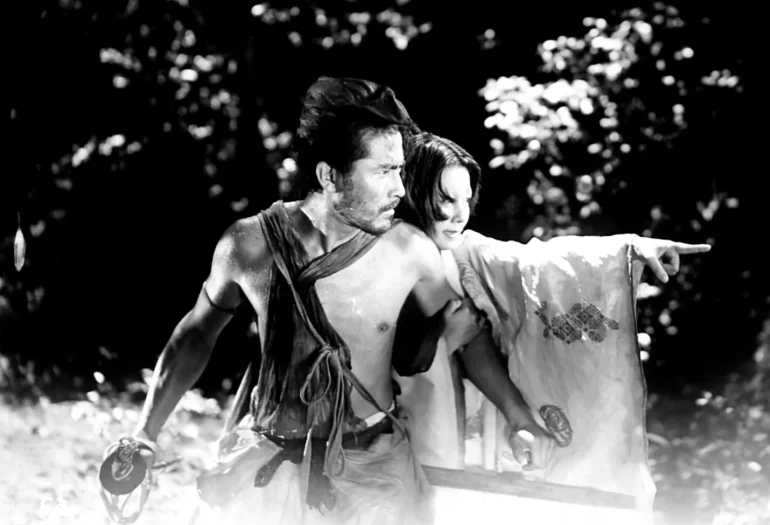
Every action fan has a moment where the movie stops being just a movie. Maybe it’s the silent, shadow-hopping assassin in a ninja flick, or the sword duel between two masterless warriors staring each other down in the rain. Japan built an entire cinematic mythology out of these figures — but what a lot of fans don’t realize is that you don’t need a movie ticket to experience it. Several times a year, real towns across Japan throw open their streets and turn back the clock a few hundred years, with thousands of costumed participants recreating the exact world that inspired decades of ninja and samurai cinema.
These aren’t theme-park recreations. They’re rooted in genuine regional history, often organized by the descendants of the very clans being honored. If you’ve ever wanted to stand where the legend actually happened, here’s where to go.
On the other hand, Japan Travelo keeps an updated calendar of traditional Japanese events, including regional festivals like these, organized by date and location.
Iga: The Real Hometown of the Ninja
If there’s one region that deserves the title “ninja headquarters,” it’s Iga, a small city in Mie Prefecture that was one of the two historical centers of ninjutsu training (the other being neighboring Koga). This wasn’t a myth invented for entertainment — the mountainous, hard-to-navigate terrain around Iga genuinely made it a haven for the shadow warriors, spies, and mercenaries who later became global pop-culture icons.
Every spring, the city leans all the way into that legacy with the Iga Ueno Ninja Festa, a five-week celebration running from roughly April 1 through the Golden Week holiday in early May. Unlike a single-day parade, this is an extended, family-friendly takeover of the entire castle town: visitors can throw real shuriken (throwing stars), try their hand at blowgun darts, watch stunt-level ninja performances, and even ride the local train alongside passengers dressed head-to-toe in ninja gear for free. Since 2001, the city has leaned into the bit so hard that the mayor and city council hold an annual “Ninja Congress” session while dressed in full ninja costume.
Right next door is Ueno Castle, one of Japan’s tallest stone-walled fortresses, built by master castle architect Todo Takatora. This is where the samurai lords who actually employed Iga’s ninja for covert missions once ruled — so touring the castle after a day of shuriken-throwing genuinely closes the loop between the myth and the history. The adjacent Ninja Museum of Igaryu rounds it out with authentic tools, hidden-mechanism houses, and demonstrations of techniques ninja really used, not the exaggerated superhuman stuff Hollywood tends to run with.
Come back in late October and the vibe shifts entirely: the Ueno Tenjin Festival, a roughly 400-year-old autumn celebration, brings out a genuinely unsettling parade of over a hundred demon-masked performers alongside massive, ornately decorated Danjiri floats — a UNESCO-recognized event that looks like it was ripped straight out of a supernatural samurai film.
Odawara: Watching a Real Samurai Army March
For fans who want less “stealth assassin” and more “full-scale warring-states army,” the Odawara Hojo Godai Matsuri in Kanagawa Prefecture is as close as it gets. Held every May 3rd during Golden Week, this festival honors the Hojo clan, who ruled the region across five generations starting in the late 1400s — one of the most powerful samurai dynasties of Japan’s feudal period.
The scale here is the draw: roughly 1,700 participants take part in a 2.7-kilometer procession through the city, starting from the grounds of Odawara Castle itself. You’ll see musket-armed foot soldiers, mounted cavalry, women in historically accurate kimono, and bands of ninja moving alongside the main procession — plus a genuine matchlock gun demonstration and horseback display before the march begins. It’s the closest thing to watching a Sengoku-period battle formation march past you in real life, and it’s completely free to watch from the street.
Aizu-Wakamatsu: Where Samurai Loyalty Becomes a Living Memorial
Not every samurai festival is a triumphant celebration — some carry real historical weight, and the Aizu Samurai Festival in Fukushima Prefecture is the clearest example. Held every September (typically mid-to-late month) around the dramatic backdrop of Tsurugajo Castle, this three-day event commemorates the Aizu clan’s role in the Boshin Civil War of 1868, the conflict that effectively ended the age of the samurai.
The emotional core of the festival is the story of the Byakkotai, or “White Tiger Corps” — a unit of teenage samurai who fought and died defending their domain during the war. Their sword-dancing reenactment against the castle keep is genuinely one of the more moving spectacles in Japan’s festival calendar, closer in tone to a war film’s final act than a costume parade. The main event, the Aizu Hanko Gyoretsu procession, features 500+ participants dressed as feudal lords and warriors marching through the city, followed by staged sword duels performed by professional actors. Evening lantern processions add a somber, almost cinematic close to each day. Notably, both Japanese and overseas visitors can apply in advance to join the procession themselves, wearing full samurai armor.
Why These Festivals Hit Different for Action Fans
What separates these events from generic “cultural festival” content is that they’re built around the exact same tension that makes ninja and samurai movies work: honor versus survival, loyalty versus rebellion, the code of the sword versus the necessity of the shadows. Iga sells the ninja fantasy of skill and secrecy. Odawara sells the raw spectacle of an army on the move. Aizu sells the tragedy — the idea that the samurai world had to end, and it ended on the losing side of history.
If you’ve ever rewatched a samurai duel scene just to study the choreography, or wondered how accurate ninja movies actually are to the real ninjutsu tradition, these festivals are the closest thing to stepping onto the set — except the sets are real castles, and the “extras” are locals who’ve trained in these roles for years, sometimes across generations.
Planning a Trip Around These Festivals
Because these events are seasonal and regional — spring in Iga, Golden Week in Odawara, September in Aizu — timing your trip matters more than with a typical Japan vacation. Dates shift slightly year to year, venues sometimes add satellite events, and the best viewing spots fill up fast during peak procession hours.
If you’re mapping out a Japan trip specifically around festivals and cultural events like these, it’s worth checking a dedicated events resource rather than piecing dates together from scattered blog posts. For broader options — from historical reenactments to concerts and seasonal celebrations happening while you’re in the country — their festivals directory is a solid starting point for building an itinerary around more than just Tokyo’s usual tourist stops.
Whether you’re chasing the ninja fantasy in Iga, the raw scale of a samurai army in Odawara, or the weight of real history in Aizu, these festivals prove that the myths behind your favorite action movies were built on something real — and it’s still happening every single year, no green screen required.