



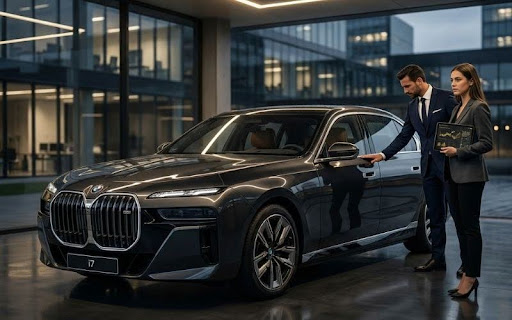
Breaking into premium car service requires far more preparation than launching a standard ride-hailing operation. Executive ground transportation customers arrive with a detailed set of expectations — punctual pickups, licensed and insured vehicles, background-checked chauffeurs, and a high-end ride experience that never slips.
Budget service customers tolerate delays and inconsistencies because price compensates for those gaps. In luxury, no such tradeoff exists, and every shortfall costs you the client permanently.
Regulatory Hurdles Slow Early Growth Considerably
New operators entering the luxury segment face a dense web of transportation network compliance requirements before earning a single dollar. Commercial fleet licensing, chauffeur-specific permits, liability coverage minimums, and airport authority operating permits all vary by city, county, and state — and each carries its own processing timeline.
Skipping even one of these steps does not just risk fines; it destroys customer trust the moment a client discovers their ride operates outside proper legal standing — which is precisely why discerning clients turn to fully credentialed providers like FS Premier Transport, where compliance is treated as a foundation, not an afterthought.
High Capital Costs Strain New Operators Early
Building even a four-vehicle luxury fleet demands serious upfront investment in fleet acquisition costs, commercial insurance premiums, GPS dispatch systems, and chauffeur payroll — often before revenue reaches a stable level.
Vehicle leasing for startups offers a workable path for many new operators, allowing them to maintain cash flow without locking all capital into depreciating assets. SBA loans and fleet financing programs also provide structured options, though each requires a solid business plan and clean financials before approval.
Competing With Established Premium Brands Is Tough
Customer trust in luxury rides does not come automatically — established black car service companies have built years of reputation, recognizable branding, and corporate account relationships that new entrants cannot replicate overnight.
Brand differentiation becomes the most practical path forward for startups, focusing on a specific niche where larger competitors underperform: late-night airport runs, wedding and event bookings, or dedicated corporate travel accounts. Clean late-model vehicles, transparent pricing, real-time GPS tracking, and professional chauffeur conduct all serve as visible trust signals that help a new brand earn credibility without spending on mass advertising.
Finding and Keeping Quality chauffeurs Is Hard
chauffeur behavior defines every client interaction in luxury transportation, which makes chauffeur hiring standards one of the most operationally demanding parts of running a premium service. Professional appearance, route knowledge, discretion, punctuality, and calm temperament under pressure are non-negotiable qualities — and none of them show up reliably on a license check alone.
Startups that invest in thorough chauffeur vetting processes, structured onboarding, ongoing conduct training, and competitive compensation retain professional chauffeur talent instead of cycling through replacements every few months.
Technology Gaps Hurt the Customer Experience
Customers who pay premium rates for executive transportation expect a booking process that works without friction — instant quotes, confirmed reservations, live vehicle tracking, and clean digital receipts sent promptly. Many startups underestimate how much churn comes from weak dispatch systems and clunky booking platforms in the early months of operation.
Purpose-built fleet dispatch software and customer-facing transportation apps eliminate those gaps and prevent the kind of silent customer loss that happens when high-value clients quietly book elsewhere after one frustrating experience.
Managing Client Expectations Requires Constant Effort
High-net-worth clients and frequent corporate travelers operate on tight schedules where any uncertainty — an unconfirmed booking, an unclear ETA, or a vehicle that looks different from what was promised — registers as a failure of service. Premium customer retention depends on clear written confirmations, proactive communication when schedules shift, and consistent vehicle quality across every booking.
Corporate travel accounts benefit especially from 24/7 availability and a dedicated point of contact, both of which signal that your operation treats their time with the same respect they bring to their own business.
Proven Strategies That Actually Help Startups Survive
Sustainable fleet startups share a common pattern: they get compliant before they get busy, lease vehicles before committing to purchases, and hire chauffeurs for character and professionalism first — then train for everything else. Investing in one well-built dispatch and booking tool early prevents the customer experience problems that sink many promising operations in their first year.
Choosing a clear service niche — airport transfers, corporate accounts, or curated event packages — allows a startup to build a genuine reputation in one area instead of competing thinly across every market segment. Luxury transportation growth strategy is not about outspending established brands; it is about delivering white-glove service consistency with enough focus and discipline that clients never feel the need to look elsewhere.