



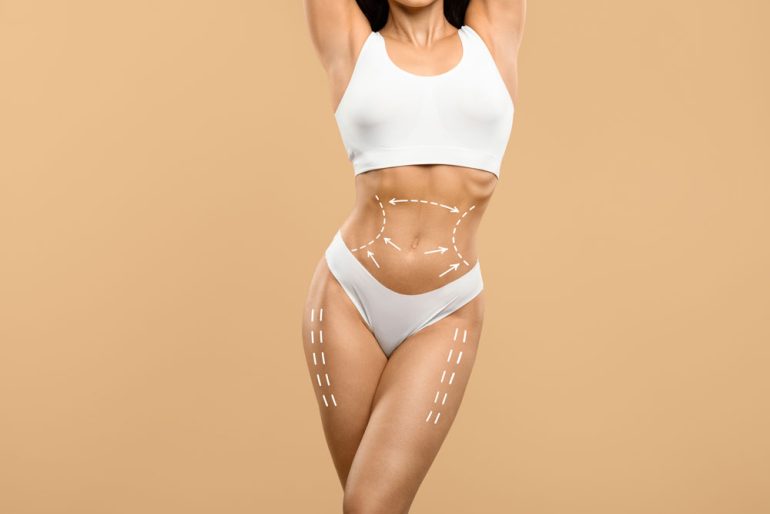
Few procedures are as widely known and as widely misunderstood as liposuction. Decades of media coverage have created two competing myths: that it is a weight loss solution, and that it produces unnatural, uneven results. Neither reflects modern practice. Understanding what liposuction actually does, and who it genuinely suits, is the difference between a satisfying result and a disappointed patient.
It Is a Contouring Procedure, Not a Weight Loss Tool
This is the central point every surgeon repeats. Liposuction removes localized deposits of fat that resist diet and exercise, reshaping specific areas. It does not treat obesity, address loose skin, or produce meaningful changes on the scale. The ideal candidate is at or near a stable weight, in good health, with good skin elasticity and specific pockets of fat that have not responded to consistent effort.
That distinction explains why surgeons decline patients hoping for weight loss, and why patients who understand the goal beforehand are consistently the most satisfied afterward. The result is a changed silhouette, not a smaller number.
Where It Works Best
Common treatment areas include the flanks and waist, abdomen, thighs, upper arms, back, and beneath the chin. Genetics largely determine where each person stores stubborn fat, which is why an otherwise fit person can have areas that never respond regardless of training. Those genetically stubborn deposits are precisely what the procedure addresses well.
Modern techniques have refined the process considerably, with smaller instruments, better fluid management, and greater attention to smooth transitions between treated and untreated areas. Patients researching liposuction New Tampa surgeons perform will find that current approaches emphasize natural contours over dramatic removal, which is exactly what produces results that look like fitness rather than surgery.
When Skin Quality Changes the Recommendation
The most important honest conversation in a liposuction consultation concerns skin. Fat removal reveals whatever skin remains, and skin that has lost elasticity from age, weight fluctuation, or pregnancy will not retract smoothly. In those cases, a surgeon may recommend a skin-removing procedure instead of or alongside liposuction. A surgeon who raises this unprompted is protecting you from a disappointing outcome, and that candor is worth more than an eager yes.
Recovery and Results
Expect compression garments, some bruising and swelling, and a return to desk work within about a week for most treatment areas. Full activity typically resumes around four to six weeks. Results emerge gradually as swelling resolves over the following months, and the final contour is generally judged at three to six months. Because fat cells removed do not return, results are durable, though remaining fat cells can still enlarge with significant weight gain, making stable weight maintenance part of the long-term plan.
Choosing Well
Liposuction demands aesthetic judgment as much as technique. Choose a board-certified plastic surgeon with substantial experience in the areas you want treated, review before-and-after photos of patients with similar builds, and expect a consultation that assesses your skin quality and body composition honestly. Done properly, on the right candidate, liposuction remains one of the most reliable procedures in aesthetic surgery for the specific job it was designed to do.
ALSO READ: Liposuction Dubai and the Moment Fat Stops Responding