



Planning a Himalayan adventure isn’t as simple as picking the tallest mountain or the most famous trail. Some travelers want remote villages and authentic culture. Others dream of reaching a sacred destination that has inspired pilgrims for centuries. And then there are those who want the thrill of standing on a Himalayan summit, ice axe in hand, breathing hard in the thin air.
That’s why so many people end up comparing the Manaslu Circuit Trek, the Kailash Mansarovar Tour, and Mera Peak Climbing before they commit to a booking. It’s a fair question to ask, honestly — these three trips get lumped together in search results all the time, but they really don’t have much in common once you dig in.
Although all three journeys unfold somewhere in the Himalayas, they offer completely different experiences. One is about remote trekking through untouched valleys. Another is a spiritual pilgrimage that has nothing to do with trekking speed or summit fever. The third combines classic trekking with genuine, technical mountaineering.
In this guide, we’ll walk through how they differ in difficulty, altitude, itinerary structure, permits, costs, and the best seasons to go — and who each adventure actually suits. By the end, you should have a much clearer sense of which Himalayan journey fits your travel style, your fitness level, and your budget.
Quick Comparison of the Three Himalayan Adventures
| Feature | Manaslu Circuit Trek | Kailash Mansarovar Tour | Mera Peak Climbing |
| Country | Nepal | Tibet (China) | Nepal |
| Maximum Altitude | 5,106 m | 5,630 m | 6,476 m |
| Duration | 14–18 Days | 12–16 Days | 17–20 Days |
| Difficulty | Moderate to Challenging | Moderate | Very Challenging |
| Trek Type | Remote Circuit Trek | Pilgrimage Tour | Peak Expedition |
| Technical Skills | No | No | Yes |
| Accommodation | Tea Houses | Hotels & Guesthouses | Tea Houses & Tents |
| Suitable For | Trekkers | Pilgrims & Travelers | Experienced Climbers |
Understanding the Manaslu Circuit Trek
What Makes the Manaslu Circuit Trek Unique?
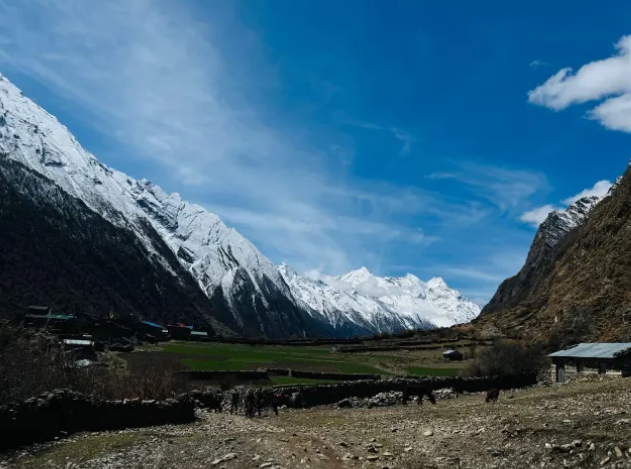
The Manaslu Circuit Trek sits in the shadow of the world’s eighth-highest mountain, and yet it somehow still flies under the radar compared to Everest and Annapurna. That’s actually its biggest selling point. You get days on the trail where you pass more mules than tourists, walking through villages where prayer flags outnumber teahouses and where Tibetan Buddhist culture is still very much a living thing, not a photo backdrop.
Some trekkers refer to this route as the Manaslu Round Trek, since the trail loops around the mountain rather than heading to a single base camp and back. Whatever you call it, the experience is the same: deep valleys carved by glacial rivers, suspension bridges swaying over gorges, and the gradual climb toward Larkya La Pass, which at over 5,100 meters is the trek’s real test. Crossing it on a clear morning, with the Himalchuli and Manaslu peaks catching the first light, is one of those moments that photos never quite do justice to.
Because the region is restricted, the trail hasn’t been overrun the way some other Nepal treks have. You still need a guide by law, but that’s honestly part of what keeps it feeling untouched.
Manaslu Circuit Trek Cost (2026)
Costs vary a fair bit depending on group size and how much comfort you want along the way.
- Budget: USD 1,200–1,500
- Standard: USD 1,500–2,000
- Luxury/Private: USD 2,000–2,800+
These prices generally cover the restricted area permit, guide and porter fees, teahouse accommodation, meals on the trail, and ground transportation to and from the trailhead. Where costs jump is usually private vehicles, single rooms, or adding extra acclimatization days — which, to be fair, are usually worth the money at this altitude.
Why Travelers Choose the Kailash Mansarovar Tour
A Journey of Spiritual Significance
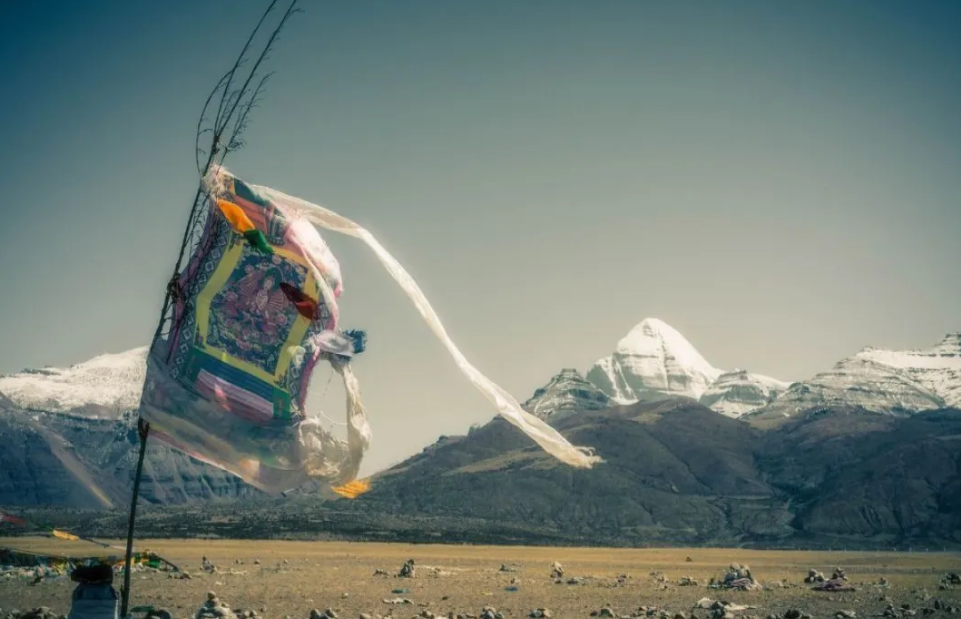
This one isn’t really a trek in the conventional sense, and it shouldn’t be compared to one. The Kailash Mansarovar Tour centers on two places: Mount Kailash, a striking, near-symmetrical peak that has never been officially summited, and Lake Mansarovar, one of the highest freshwater lakes on earth. Together they form one of the most important pilgrimage destinations in the world.
For Hindus, Kailash is believed to be the abode of Lord Shiva. Buddhists associate the mountain with Demchok, a tantric deity. Jains regard it as the site where their first Tirthankara achieved liberation, and followers of the Bon religion consider it the spiritual heart of their tradition entirely. Few places on the planet carry that kind of layered religious weight across four different faiths.
Most travelers come here not to trek hard or chase a summit, but to complete the Kailash Kora — a circuit around the mountain that pilgrims believe cleanses sins and can even offer liberation from the cycle of rebirth. It’s slow, it’s meditative, and honestly, even people who don’t consider themselves religious tend to come away from it changed in some way.
Kailash Mansarovar Tour Cost (2026)
Pricing here runs noticeably higher than a standard Nepal trek, mostly because of Tibet’s permit system and cross-border logistics.
- Nepal Route: USD 3,800–5,500
- Luxury Packages: USD 6,000+
These figures typically include the Tibet Travel Permit, Chinese visa arrangements, ground transportation across Tibetan plateau roads, hotel and guesthouse stays, guide services, and meals. Flights or overland transfers between Kathmandu and the Tibet border can swing the final cost quite a bit depending on the season and group size.
Mera Peak Climbing – Nepal’s Highest Trekking Peak
Why Mera Peak Is Popular
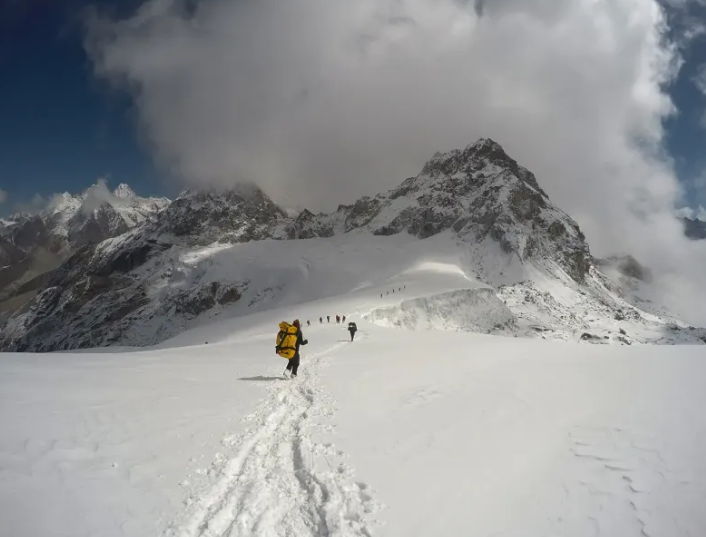
At 6,476 meters, Mera Peak holds the title of Nepal’s highest trekking peak, and it’s often the first “real” mountain that aspiring climbers attempt. Unlike a straightforward trek, this involves actual glacier travel, roped sections, crampons, and a proper summit push in the pre-dawn cold.
What draws people here, beyond the challenge itself, is the summit view. On a clear day you’re looking at five of the world’s 8,000-meter giants — Everest, Lhotse, Makalu, Kanchenjunga, and Cho Oyu — all from one vantage point. Not many trekking peaks in the world offer that kind of payoff.
The approach itself, through the Hinku Valley, is quiet and remote, giving climbers a solid stretch of acclimatization and trail conditioning before the technical part even begins. Summit day is long, cold, and genuinely demanding — but for climbers who’ve prepared properly, it’s also one of the more achievable 6,000-meter peaks in the Himalayas.
Mera Peak Climbing Cost (2026)
- Budget: USD 2,200–2,700
- Standard: USD 2,700–3,500
- Premium: USD 3,500–5,000
Budget for climbing permits, an experienced guide (often a climbing Sherpa), technical equipment rental or purchase, teahouse and camp accommodation, meals, and the domestic flights connecting Kathmandu to Lukla. Weather delays on those flights are common, so it’s smart to build a buffer day or two into your plans rather than cutting it close.
Difficulty Comparison
Rather than ranking these three from “easy” to “hard,” it’s more useful to break difficulty down by category, because each trip challenges you differently.
Fitness: All three demand solid cardiovascular fitness, but Mera Peak asks the most of your legs and lungs combined, since you’re carrying a heavier pack over glacier terrain on summit day. The Manaslu Circuit is a close second — long trekking days add up. Kailash Mansarovar is physically easier day-to-day, though the altitude alone makes it no walk in the park.
Altitude: Mera Peak wins here at 6,476 meters, followed by Kailash’s 5,630-meter Dolma La pass, then Manaslu’s Larkya La at just over 5,100 meters. Altitude sickness risk exists on all three, so this isn’t a category anyone should take lightly regardless of which trip they choose.
Technical Skills: This is where Mera Peak stands apart. You’ll need basic mountaineering skills — using crampons, an ice axe, and moving safely on a rope team. Manaslu and Kailash require no technical climbing ability at all, just steady legs and patience.
Mental Challenge: Kailash tests you emotionally and spiritually more than physically. Manaslu tests your endurance over consecutive long days. Mera Peak tests your nerve, especially during the pre-dawn summit push when the cold and exhaustion really set in.
Weather: Tibet’s plateau weather can be harsh and unpredictable, with strong winds and sudden temperature drops. Manaslu’s weather is generally more forgiving in the right season. Mera Peak’s summit weather window can be narrow, and climbs are sometimes postponed a day or two while guides wait for conditions to settle.
Recovery: Trekkers usually recover from Manaslu within a week or so. Kailash pilgrims often feel drained from altitude exposure even after returning to lower elevation. Mera Peak climbers, having pushed their bodies hardest, typically need the longest recovery window.
Which Adventure Matches Your Travel Style?
Choose the Manaslu Circuit Trek if…
You want remote trekking without the technical demands of climbing. You’re drawn to authentic Himalayan culture, quiet villages, and landscapes that haven’t been flattened by mass tourism. If photography, nature, and a genuine sense of adventure matter more to you than reaching a summit, this is probably your trip.
Choose the Kailash Mansarovar Tour if…
Your motivation is spiritual rather than athletic. This trip suits pilgrims, families traveling together, and anyone chasing a deeper personal or religious goal rather than a physical challenge. It’s also a reasonable option for older travelers who want to experience a sacred Himalayan destination without the demands of a multi-week trek.
Choose Mera Peak Climbing if…
You’ve got trekking experience already and you’re ready to take the next step into actual mountaineering. You want the physical challenge, you’re comfortable with high altitude, and standing on a genuine Himalayan summit means more to you than anything else on this list.
Best Time to Visit
Spring and autumn are the sweet spots for all three journeys, though for slightly different reasons.
Spring (March–May) brings warming temperatures, blooming rhododendrons on the Nepal treks, and generally stable weather windows for both trekking and climbing. It’s a popular season for Mera Peak attempts specifically because of calmer wind conditions near the summit.
Autumn (September–November) is arguably the most reliable stretch, with crisp air, excellent mountain visibility, and drier trail conditions. This is peak season across all three trips, which does mean more company on the trail and higher demand for permits and accommodation, so booking ahead matters.
Winter is generally too cold and snow-heavy for Mera Peak and Manaslu, while the Kailash region is often closed to tour groups outside the main travel window due to Tibet’s harsh winter conditions.
Permits and Travel Requirements
Manaslu Circuit Trek: Because this route runs through a restricted border area, trekkers need a Restricted Area Permit alongside the Manaslu Conservation Area Permit (MCAP) and the Annapurna Conservation Area Permit (ACAP), since the trail overlaps into that region near the end. A licensed guide is legally required — solo trekking isn’t permitted here.
Kailash Mansarovar Tour: Travelers need a Chinese visa along with a separate Tibet Travel Permit, and in most cases these tours run as part of a group visa arrangement rather than individual visas. Independent travel in this region isn’t really an option; everything goes through a registered tour operator.
Mera Peak Climbing: This requires a National Park entry permit (Makalu Barun or Sagarmatha, depending on the route) plus a specific climbing permit issued for Mera Peak itself. TIMS card requirements have shifted in recent years depending on current regulations, so it’s worth confirming the latest rules with your operator before departure rather than assuming last year’s requirements still apply.
Accommodation and Food
Expect a fairly wide range of comfort across these three trips. On the Manaslu Circuit, you’ll stay in teahouses — simple, family-run lodges with basic rooms, shared bathrooms in most places, and hearty meals like dal bhat, noodles, and soup. Hot showers and WiFi exist in some villages but usually cost extra and get patchier the higher you climb.
Kailash Mansarovar tours mix hotels in larger towns like Lhasa with more basic guesthouses closer to the mountain itself. Meals lean toward Tibetan and Chinese-influenced dishes, and comfort levels drop noticeably once you’re near Kailash, where infrastructure is thinner.
Mera Peak climbers experience both worlds — teahouses during the approach through the Hinku Valley, then tented camps higher up near base camp and high camp. Meals become simpler and more calorie-focused the higher you go, and water needs to be purified or boiled throughout. Charging devices and getting internet access becomes increasingly unreliable (and pricier) above base camp, so it’s worth mentally preparing to disconnect for a stretch.
Packing Essentials
Rather than listing out forty items, it helps to think in terms of layers. You’ll want a solid base layer, an insulating mid-layer, and a waterproof, windproof outer shell — this system works across all three trips, though Mera Peak demands heavier-duty gear given the altitude and glacier exposure.
A good down jacket is non-negotiable once you’re above 4,000 meters on any of these routes. Pack a sleeping bag rated for sub-zero temperatures, broken-in trekking boots (never brand new ones), and trekking poles, which save your knees more than people expect on long descent days. Sunglasses with strong UV protection are essential too — snow glare at altitude is no joke.
Beyond that, bring gloves, any personal medications you rely on, a means of water purification, and a reliable headlamp with spare batteries. Mera Peak climbers will need additional technical gear — crampons, harness, ice axe — which is often rentable in Kathmandu rather than something you need to buy outright.
Safety, Altitude & Preparation
Acclimatization isn’t optional on any of these trips — altitude sickness doesn’t care how fit you are. Build in rest days, especially before crossing Larkya La, Dolma La, or attempting the Mera Peak summit, and know the early symptoms of altitude sickness so you can act on them rather than push through.
Physical training in the months beforehand genuinely pays off — cardio, leg strength, and if possible, some hiking with a loaded pack. Travel insurance that specifically covers high-altitude trekking and helicopter evacuation is essential, not a nice-to-have, particularly for Mera Peak where rescue logistics are more complicated.
Always travel with a licensed guide, follow their acclimatization pacing even when you feel fine, and practice responsible trekking — packing out waste, respecting local customs, and being mindful of the fragile ecosystems these routes pass through.
Choosing the Right Local Operator
Picking the right operator probably matters more than any single gear decision you’ll make. Look for a company that’s properly licensed, employs experienced mountain guides who know the specific route (not just Everest or Annapurna), and offers transparent, itemized pricing rather than vague all-in numbers that leave you guessing what’s actually covered.
A solid safety record and verified reviews from past trekkers go a long way toward peace of mind, as does an operator that visibly practices responsible tourism rather than just claiming to. Many travelers also compare itineraries from local operators such as Swotahtrave to better understand route options, permit arrangements, and what’s typically included before making a decision.
Final Thoughts
None of these three adventures is objectively “better” than the others — they’re just built for different people chasing different things. The Manaslu Circuit Trek offers authentic Himalayan trekking through villages and valleys that still feel wonderfully untouched. The Kailash Mansarovar Tour offers something rarer: a deeply spiritual experience that reaches far beyond physical achievement. And Mera Peak Climbing delivers a genuinely rewarding mountaineering challenge for those ready to test themselves against real altitude and real technical terrain.
The right choice comes down to your interests, your fitness level, how much time you can set aside, and what your budget allows. Whichever one you pick, all three will leave you with stories worth telling for years.
Frequently Asked Questions
- How much does the Manaslu Circuit Trek cost in 2026?
Costs typically range from USD 1,200 to 2,800 or more, depending on group size, the exact itinerary, guide and porter services, permit fees, and the level of accommodation you choose along the way.
- Is Mera Peak Climbing harder than the Manaslu Circuit Trek?
Generally, yes. Mera Peak Climbing is more demanding because it involves glacier travel, technical mountaineering equipment, and a summit push at 6,476 meters, whereas the Manaslu Circuit Trek is a non-technical high-altitude trek that requires strong fitness but no climbing skills.
- What is the average cost of the Kailash Mansarovar Tour?
Most tours departing from Nepal cost somewhere between USD 3,800 and 5,500, while premium packages with more comfortable accommodation and transport can exceed USD 6,000, depending on group size and permit arrangements.
- Which is better: the Manaslu Round Trek or Everest Base Camp?
It depends what you’re after. The Manaslu Round Trek suits travelers looking for fewer crowds, more remote landscapes, and authentic village life along the way. Everest Base Camp offers more iconic, recognizable scenery and considerably more developed trekking infrastructure, which some travelers prefer for convenience.
- What is the best season for the Manaslu Circuit Trek, Kailash Mansarovar Tour, and Mera Peak Climbing?
Spring (March to May) and autumn (September to November) are generally considered the best windows for all three, thanks to more stable weather, clearer mountain visibility, and better overall trail and travel conditions.