



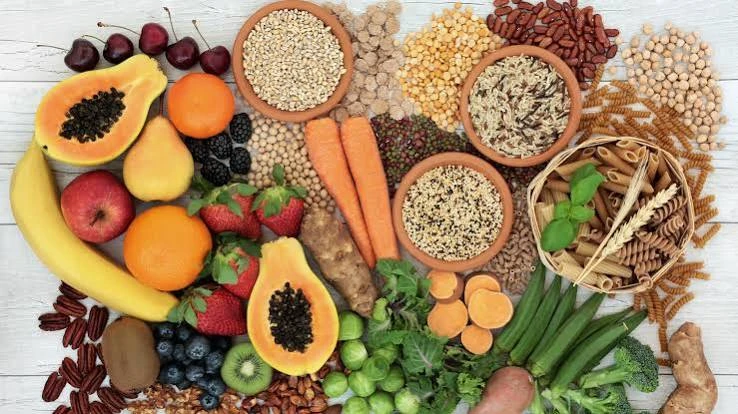
The way consumers choose food has changed dramatically over the last decade. While taste and convenience remain important, today’s shoppers are equally interested in understanding what goes into the products they consume. Ingredient transparency, natural sourcing, and simpler labels have become key factors influencing purchasing decisions.
This shift has driven the growing demand for natural food ingredients and clean label ingredients, encouraging food manufacturers to reformulate products with ingredients that are both functional and easy for consumers to recognize. From beverages and dairy products to bakery, confectionery, and plant-based foods, these ingredients are shaping the future of food innovation.
Understanding Natural Food Ingredients
Natural food ingredients are derived from plant, animal, mineral, or microbial sources and are processed in ways that preserve their natural characteristics. They are used to enhance the taste, color, texture, nutritional value, and stability of food products while supporting consumer demand for transparency.
Common examples of natural food ingredients include:
- Fruit and vegetable concentrates
- Natural food colors
- Botanical extracts
- Herbs and spices
- Plant-based proteins
- Natural sweeteners
- Functional fibers
- Fermented ingredients
- Natural flavors
These ingredients help manufacturers create products that meet both technical requirements and consumer expectations.
What Are Clean Label Ingredients?
Clean label ingredients are ingredients chosen to create products with simple, recognizable, and consumer-friendly labels. While there is no universal regulatory definition of “clean label,” the concept generally focuses on ingredient transparency and minimal processing.
Consumers often associate clean label products with:
- Familiar ingredient names
- Naturally sourced ingredients
- Short ingredient lists
- Minimal use of artificial additives
- Greater transparency
- Sustainable sourcing
Rather than simply removing synthetic ingredients, clean label formulation focuses on replacing them with natural alternatives that provide similar functionality.
Why Consumer Demand Is Growing
Several global trends are driving the adoption of natural food ingredients and clean label ingredients.
Health and Wellness
Consumers increasingly prefer foods made with ingredients they perceive as natural and wholesome. Products containing recognizable ingredients are often viewed as supporting healthier lifestyles.
Ingredient Transparency
Reading ingredient labels has become a common habit. Consumers want to understand what they are eating and where ingredients come from.
Plant-Based Living
The growth of vegan and vegetarian diets has increased the use of plant-derived ingredients throughout the food industry.
Sustainability
Responsibly sourced natural ingredients support environmental goals while strengthening consumer confidence in food brands.
Key Categories of Natural Food Ingredients
Modern food manufacturers rely on a wide variety of natural ingredients to develop clean-label products.
Natural Food Colors
Colors derived from beetroot, paprika, turmeric, spirulina, chlorophyll, annatto, and beta carotene help create vibrant foods without synthetic dyes.
Natural Flavors
Extracts from fruits, herbs, spices, and botanicals deliver authentic taste while maintaining ingredient transparency.
Natural Sweeteners
Stevia, monk fruit, honey, and fruit concentrates provide sweetness while supporting reduced sugar and clean-label formulations.
Functional Ingredients
Natural starches, dietary fibers, proteins, and hydrocolloids improve texture, stability, and mouthfeel.
Natural Preservatives
Ingredients such as rosemary extract, cultured ingredients, vinegar, and fermented solutions help extend shelf life while reducing reliance on synthetic preservatives.
Benefits of Natural Food Ingredients and Clean Label Ingredients
Builds Consumer Trust
Products made with familiar ingredients are often perceived as more transparent and reliable.
Supports Premium Positioning
Natural formulations align well with premium, organic, and health-focused product categories.
Encourages Product Innovation
Advances in ingredient technology allow manufacturers to create high-performing products using naturally derived alternatives.
Meets Global Market Trends
Growing demand for clean-label foods creates new opportunities for manufacturers across international markets.
Improves Brand Reputation
Brands that prioritize transparency and ingredient quality often strengthen long-term customer loyalty.
Challenges in Clean Label Formulation
Developing clean-label products involves balancing consumer expectations with technical performance.
Stability
Natural ingredients may be more sensitive to heat, light, oxygen, or changes in pH.
Shelf Life
Replacing conventional additives requires careful formulation to maintain product quality over time.
Ingredient Consistency
Naturally sourced ingredients may vary depending on harvest conditions and geographical origin.
Cost Management
Natural ingredients can involve higher sourcing and production costs than synthetic alternatives.
Ongoing research and innovation continue to improve ingredient functionality, stability, and consistency across a wide range of food applications.
Applications Across the Food Industry
Natural food ingredients and clean label ingredients are widely used in almost every food category.
Beverages
Juices, flavored waters, sports drinks, and functional beverages increasingly use natural colors, flavors, and sweeteners.
Dairy Products
Yogurts, cheese, ice cream, and flavored milk products benefit from natural ingredient systems that support clean-label positioning.
Bakery and Confectionery
Natural ingredients enhance cakes, pastries, cookies, chocolates, fillings, and candies while maintaining attractive appearance and taste.
Snacks and Savory Foods
Seasonings, sauces, soups, ready meals, and snack products rely on natural ingredients to improve flavor, color, and shelf stability.
Plant-Based Foods
Natural ingredients are essential in meat alternatives, dairy substitutes, and vegan products, supporting both functionality and consumer expectations.
The Future of Natural Food Ingredients and Clean Label Ingredients
The future of food manufacturing is closely connected to transparency, sustainability, and innovation. Consumers increasingly expect products that combine high quality with recognizable ingredients and responsible sourcing.
Advances in extraction technologies, fermentation, encapsulation, and plant-based ingredient development are making natural ingredients more effective than ever before. These innovations allow manufacturers to achieve the performance traditionally associated with synthetic additives while maintaining clean-label declarations.
As regulations evolve and consumer awareness continues to grow, natural food ingredients and clean label ingredients will become even more central to product development across the global food industry.
Final Thoughts
Natural food ingredients and clean label ingredients are transforming the way food products are formulated and perceived. They allow manufacturers to create foods that deliver excellent taste, appealing appearance, and reliable performance while meeting the growing demand for transparency and naturally sourced ingredients.
From natural food colors and flavors to sweeteners, preservatives, and functional ingredients, these solutions are helping brands build trust and differentiate themselves in an increasingly competitive marketplace. As the clean-label movement continues to gain momentum, investing in natural ingredient solutions will be essential for creating food products that meet the expectations of today’s informed and health-conscious consumers.