



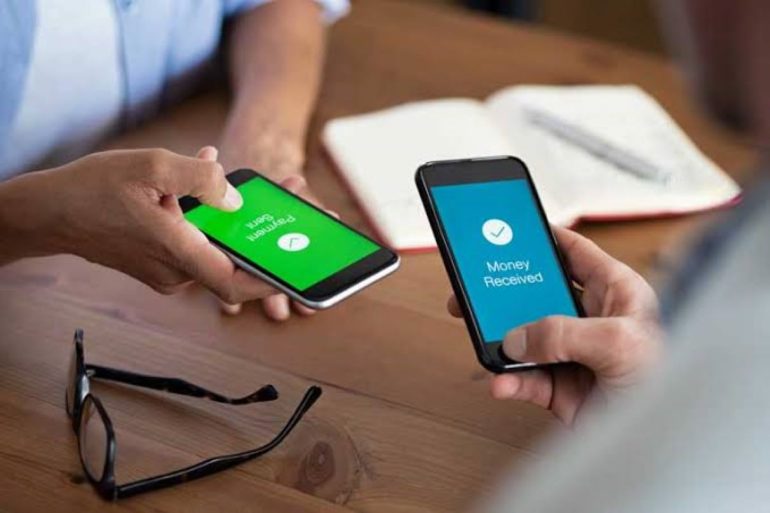
Paying by phone has quietly become one of the most common ways people handle money today. Whether it’s tapping a smartphone at a checkout counter, confirming a purchase through a banking app, or adding a charge directly to a mobile bill, phones have turned into fully functional wallets. This article looks at what “pay by phone” actually means, the main methods available, how secure they are, and what to consider before relying on them.
What “Pay by Phone” Actually Covers
The phrase is used broadly, but it generally falls into a few distinct categories:
- Mobile wallets – Apps like Apple Pay, Google Pay, and Samsung Pay store card details on the device and use near-field communication (NFC) to complete contactless payments in stores.
- Carrier billing – Charges are added directly to a person’s mobile phone bill, commonly used for app store purchases, digital subscriptions, or small in-app transactions.
- Banking and payment apps – Apps such as PayPal, Venmo, or a bank’s own app let users send money, pay bills, or check out online using a linked account or card.
- QR code payments – Increasingly common in retail and hospitality, where scanning a code with a phone camera opens a payment prompt for a specific merchant or bill.
Each of these serves a slightly different purpose, but they all share the same core idea: the phone acts as the go-between, so the user doesn’t need to hand over a physical card or type in long account numbers every time.
How It Works Behind the Scenes
Most phone-based payment systems rely on tokenization. Instead of transmitting an actual card number during a transaction, the system generates a one-time-use token tied to that specific purchase. Even if the transaction data were intercepted, the token would be useless for future charges. This is a meaningful upgrade over the traditional magnetic stripe card, where the same static number is exposed at every swipe.
For NFC payments, the phone communicates with a payment terminal over a very short range, typically a few centimeters, which limits opportunities for interception. For app-based and carrier billing methods, the transaction is authenticated through the account itself, often layered with device-level security like a PIN, fingerprint, or face recognition.
Advantages of Paying by Phone
- Convenience – No need to carry a physical wallet; most people already have their phone with them.
- Speed – Contactless payments are typically faster than inserting or swiping a card.
- Added security layers – Biometric authentication and tokenization reduce the risk of card-skimming or data theft compared to physical cards.
- Centralized tracking – Many apps provide instant transaction records, making it easier to monitor spending in real time.
- Fewer physical touchpoints – Useful in settings where minimizing contact with shared surfaces is a priority.
Things Worth Considering
- Battery and device dependency – A dead phone means no access to payment methods stored on it, unlike a card that works regardless of charge level.
- Account security – Since a phone can access multiple payment apps at once, losing the device or having it compromised can expose more than a single card would.
- Merchant compatibility – Not all retailers support every payment method, particularly in regions where contactless infrastructure is still developing.
- Fees – Carrier billing and certain app-based transfers may include service charges that aren’t always obvious upfront.
- Data and privacy – Payment apps often collect transaction data for their own analytics, so it’s worth checking privacy policies before linking accounts.
Best Practices for Safe Mobile Payments
- Enable biometric locks (fingerprint or face ID) on any app used for payments.
- Keep the phone’s operating system and payment apps updated to patch security vulnerabilities.
- Avoid linking payment apps to public or unsecured Wi-Fi networks when completing transactions.
- Regularly review transaction history for unfamiliar charges.
- Use remote-wipe features in case the device is lost or stolen.
The Bigger Picture
Paying by phone isn’t a passing trend — it reflects a broader shift toward reducing friction in everyday transactions. As more retailers, service providers, and even public transit systems adopt phone-based payment infrastructure, the technology is likely to keep expanding rather than remaining a niche convenience. This extends to entertainment too, with pay by phone casino not gamstop letting users top up credits or make in-app purchases just as easily as they’d buy a coffee. For most users, the combination of speed, security, and simplicity makes it a practical addition to how they manage day-to-day spending.