



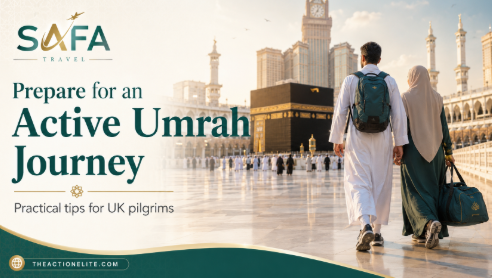
Umrah is a spiritual journey, but it can also be physically demanding. Pilgrims may spend long periods walking, standing, moving through busy areas and travelling between hotels, mosques and cities. For someone whose normal routine involves sitting at a desk for most of the day, the sudden increase in activity can feel challenging.
That does not mean you need to train like an athlete before travelling. A few weeks of sensible preparation can improve stamina, make walking more comfortable and help you manage your energy throughout the journey. For UK pilgrims, physical preparation should become part of the travel plan alongside flights, accommodation, documents and packing.
Start Walking Before You Travel
Walking is probably the simplest way to prepare for Umrah. You do not need complicated equipment or a gym membership. Start by increasing the amount of walking you already do. If you currently walk very little, begin gradually.
You might start with a comfortable 20- or 30-minute walk several times per week and slowly increase the distance. As your departure approaches, try completing some longer walks. The goal is not speed. It is becoming comfortable spending more time on your feet. This can help prepare you for walking around Makkah and Madinah without turning every journey into an exhausting experience.
Do Not Leave Preparation Until the Final Week
Physical fitness usually improves through consistency rather than one intense week of exercise. If possible, begin preparing several weeks before departure. A simple routine might include walking four or five days per week, using stairs more regularly and reducing long periods of inactivity.
You could also add gentle exercises that strengthen your legs and improve general mobility. Pilgrims who are already comparing Umrah Packages from UK should therefore think about physical preparation at the same stage as booking flights and accommodation.
Once your dates are confirmed, you have a clear target for gradually improving your fitness.
Choose Comfortable Footwear Early
Do not experiment with completely unfamiliar footwear immediately before travelling. Whatever shoes or sandals you intend to use outside the mosque should already feel comfortable. Wear them during some of your preparation walks.
This allows you to identify problems such as:
- rubbing;
- poor support;
- uncomfortable straps;
- inadequate cushioning;
- incorrect sizing.
New footwear can sometimes feel comfortable for ten minutes but become painful after a much longer walk. Testing it beforehand reduces surprises. You should also consider taking more than one suitable footwear option in case one pair becomes uncomfortable during the journey.
Strengthen Your Legs With Everyday Movement
You do not need an advanced strength-training programme to improve your ability to handle more walking. Everyday movement can help. Using stairs instead of lifts, standing more frequently and taking short walks during the day can gradually increase activity levels.
Simple bodyweight movements may also help people who are comfortable performing them. The objective is to prepare your body for repeated movement rather than achieve a particular fitness goal. Consistency matters more than intensity.
Someone who becomes slightly more active every day may find the transition to a busy pilgrimage schedule easier than someone who remains inactive until departure.
Prepare for Long Periods on Your Feet
Walking distance is only part of the challenge. Pilgrims may also spend significant periods standing or moving slowly through crowded spaces. That feels different from walking quickly through a park or using a treadmill.
During some preparation walks, try spending a little more time continuously on your feet rather than immediately sitting down afterwards. Your body gradually becomes more accustomed to the type of prolonged activity you may experience while travelling. At the same time, recognise your limits.
Physical preparation is meant to make the journey easier, not cause an injury before you leave.
Build Rest Into Your Umrah Schedule
Being prepared does not mean trying to remain active all day. Rest is important. Pilgrims sometimes arrive with ambitious schedules and attempt to fit every activity into every available hour.
That can quickly lead to exhaustion. Instead, balance activity with recovery. If you have spent several hours walking or travelling, allow yourself time to sit, eat properly and rest.
This becomes particularly important for:
- older pilgrims;
- families with children;
- people travelling with elderly relatives;
- anyone who is not used to high daily activity.
A sustainable pace usually makes the overall journey more comfortable.
Plan December Umrah With Activity in Mind
December is a popular travel period for many UK families because it can fit around winter holidays. Pilgrims considering December Umrah Packages can use the weeks leading up to the break to create a simple walking routine.
Do not wait until the holiday begins. If you know you intend to travel later in the year, increase your activity gradually beforehand. December travel may also involve busy airports and longer travel days, so consider the entire journey when managing your energy.
A long flight followed immediately by an intense itinerary may feel much harder than expected. Leave room to recover from travel.
Stay Hydrated and Eat Sensibly
Physical activity becomes harder when you neglect basic needs. Travellers can become so focused on schedules that they forget to drink regularly or delay meals. Keep hydration in mind throughout the journey and follow any local rules regarding where drinks can be carried or consumed.
Food also affects energy. Heavy meals immediately before extended walking may leave some people uncomfortable, while skipping meals entirely can leave you feeling weak or distracted. Aim for a routine that keeps your energy relatively steady.
Your normal dietary requirements and any professional medical advice you have received should continue to guide your choices while travelling.
Keep Your Day Bag Light
Every unnecessary item becomes more noticeable after you have carried it for several hours. Think carefully about what you actually need during the day.
A lightweight bag may include essentials such as:
- identification or required documents;
- phone;
- charger or power bank;
- necessary medication;
- a small number of personal items.
Avoid carrying things simply because they might be useful at some point. If they can safely remain in the hotel, consider leaving them there. A lighter bag reduces unnecessary strain while walking.
Families Should Prepare Together
Physical preparation should not focus only on the strongest person in the group. A family moves at the pace of the people travelling together. If parents are travelling with children or elderly relatives, consider everyone’s mobility and energy levels when planning the itinerary.
Encourage family members who are able to do so to walk regularly before departure. Discuss rest periods as well. Children may have plenty of energy one moment and suddenly become tired. Older relatives may need more frequent breaks.
Planning around the group rather than one individual’s pace can make the journey considerably smoother.
Easter Travellers Can Use Spring for Preparation
The Easter holiday period can also provide a useful travel window for UK families and students. Those considering Easter Umrah Packages can take advantage of the weeks before departure to spend more time walking outdoors as their schedule allows.
Again, preparation should be gradual. You do not need to suddenly walk long distances every day. Create a realistic routine that fits around work, university or school responsibilities. The aim is to arrive in Saudi Arabia feeling more prepared, not exhausted from training.
Think About Hotel Location
Accommodation can significantly affect how much walking you do. A hotel that appears reasonably close on a map may still add substantial walking across several days.
Before booking, consider:
- distance from the mosque;
- the needs of elderly travellers;
- whether children are travelling;
- transport arrangements;
- how often you expect to return to the hotel.
Choosing accommodation should therefore involve more than comparing star ratings. Convenience can matter just as much as room facilities, particularly for travellers with mobility concerns.
Do Not Try to Compete With Other Pilgrims
Every traveller has a different level of fitness. Someone else may comfortably walk much further or remain active for longer. That does not mean you need to match them.
Umrah is not an endurance competition. Move at a sensible pace and recognise when you need rest. Trying to keep up with someone who has very different physical abilities can turn a manageable journey into an unnecessarily exhausting one.
Good preparation helps you understand your own capacity.
Listen to Your Body
Tiredness after a long day is normal, but persistent pain or unusual symptoms should not simply be ignored. Pilgrims with existing health conditions, mobility concerns or questions about exercise should seek appropriate professional advice before making significant changes to their activity routine or travelling.
Preparation should always match your personal circumstances. The purpose is to make the journey safer and more manageable, not to push yourself beyond reasonable limits.
Prepare Mentally as Well as Physically
Physical endurance is only part of the challenge. Crowds, delays, unfamiliar surroundings and changing plans can also require patience. During your preparation, practise slowing down.
Not every journey will happen immediately. Not every queue will move quickly. Accepting that some parts of travel are outside your control can save a surprising amount of energy.
A calm response to an unexpected delay can sometimes be just as valuable as strong legs.
Final Thoughts
Umrah is primarily a spiritual journey, but preparing your body can help you give more attention to its purpose. Start walking regularly before departure, increase activity gradually, test your footwear and become comfortable spending more time on your feet.
At the same time, plan rest periods, keep luggage manageable and consider the physical needs of everyone travelling with you. You do not need exceptional fitness.
You simply want your body to be better prepared for a more active routine than you may experience at home. A little preparation before leaving the UK can make walking, travelling and managing busy days feel easier, leaving more energy for the moments that matter most.