



Introduction
When a product leaves a warehouse, its packaging becomes the first line of defence against bumps, pressure, vibration, moisture, and repeated handling. Choosing the right protective material is therefore about more than simply putting an item inside a box. The packaging needs to match the product, the journey it will make, and the level of protection it actually requires.
Polyethylene packaging is one solution that businesses can consider when dependable cushioning and repeatable protection are priorities. Polyethylene foam can be shaped into protective components that hold products securely inside cartons, helping reduce unwanted movement and absorb shocks during transportation.
For manufacturers, distributors, engineering companies, healthcare organisations, and businesses handling valuable products, polyethylene packaging solutions can provide a practical balance between protection, durability, and design flexibility.
What Is Polyethylene Packaging?
Polyethylene packaging commonly refers to protective packaging made from polyethylene foam. The material is lightweight but designed to provide cushioning around products that may be exposed to impacts during handling and transportation.
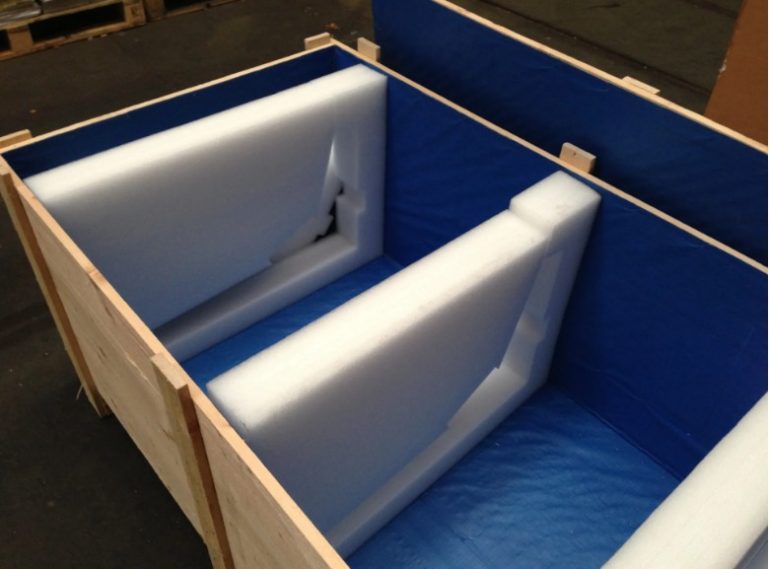
Unlike loose packing materials that simply fill empty space, foam packaging can be designed around the product. This allows internal packaging components to support particular areas, separate individual parts, and reduce movement inside the outer carton.
Polyethylene foam is also available in different forms and colours, allowing packaging manufacturers to develop solutions for different applications. Depending on the product and required performance, businesses may use standard foam components or commission a completely bespoke design.
One of the most useful characteristics of this type of packaging is its ability to continue providing protection through repeated handling. This makes it particularly relevant where products are transported between factories, warehouses, service centres, or customers more than once.
Why Product-Specific Packaging Matters
A common packaging mistake is selecting an outer box first and then trying to find an internal material that fits inside it. Although this can work for simple products, it may not provide the most efficient combination of protection and cost.
A better approach is to consider the product and its packaging as one system.
The carton needs sufficient strength, while the internal fitments need to hold the product in the correct position. If one component is unnecessarily over-engineered while another is too weak, the overall packaging design may become inefficient.
This is where polyethylene packaging solutions can be useful. Foam inserts and fitments can be designed to work alongside the carton rather than being treated as a completely separate element.
A properly planned system can help businesses avoid two opposite problems: spending more than necessary on excessive protection or reducing protection so much that products become vulnerable to damage.
Benefits of Polyethylene Packaging
1. Reliable Impact Protection
Products can experience considerable shock during loading, unloading, vehicle transportation, and warehouse handling. Even when an outer carton looks undamaged, the product inside may experience sudden impact.
Polyethylene foam works as a cushioning layer. Its cellular structure helps absorb and distribute impact energy, reducing the force transferred directly to the packaged item.
This makes it suitable for fragile, valuable, or precision-made products where repeated knocks could result in costly damage.
2. Suitable for Repeated Use
Some packaging is designed primarily for a single delivery. Other packaging needs to survive repeated journeys.
Polyethylene foam can be particularly useful for multi-trip packaging and factory transit applications because it is designed to maintain dependable cushioning performance through repeated shocks.
For businesses moving components between manufacturing locations or sending equipment back and forth for servicing, reusable protective packaging can make more sense than constantly replacing disposable internal materials.
3. Protection Against Environmental Conditions
Transportation does not always take place in controlled environments. Products may encounter changes in humidity, temperature, or exposure to substances during storage and transit.
Polyethylene foam offers resistance to moisture, chemicals, and temperature fluctuations, making it a useful option for products that require an additional protective barrier.
For example, sensitive electronic components can benefit from packaging that helps reduce exposure to moisture and physical damage while they are being transported or stored.
4. Lightweight Construction
Protective packaging needs to be strong enough to protect the product without unnecessarily increasing the weight of the shipment.
Polyethylene foam provides cushioning without adding the same bulk or weight associated with some heavier protective materials. For businesses shipping products regularly, reducing unnecessary packaging weight can contribute to more efficient handling and transportation.
5. Flexible Design Possibilities
Not every product has a convenient rectangular shape. Machinery components, medical equipment, electronics, tools, collectables, and specialist products may all require different forms of support.
Foam can be cut and shaped to create spaces that correspond with the product’s dimensions. This allows packaging designers to create supports, separators, liners, and other internal fitments according to the application.
Where Polyethylene Packaging Solutions Can Be Used
The versatility of polyethylene foam means it can serve a wide range of industries.
Electronics
Electronic equipment can be sensitive to physical shocks and environmental conditions. Custom foam inserts can keep components separated and reduce movement within the box.
Automotive and Engineering
Automotive parts, machinery components, and engineered products can have unusual shapes and surfaces that require controlled support. Bespoke polyethylene fitments can be designed to protect vulnerable sections during transit.
Healthcare
Medical and healthcare-related equipment often requires careful handling. Protective foam can provide cushioning and help keep equipment securely positioned during transportation.
Tools and Equipment
Polyethylene foam can also be used for tool packs and reusable transit packaging. Different foam colours can help distinguish components or create an organised presentation inside a case or container.
Valuable and Delicate Items
Products that are expensive, fragile, or difficult to replace deserve more than generic void fill. Custom foam packaging can create dedicated spaces around individual items and reduce the chance of movement during transportation.
Standard or Bespoke Polyethylene Packaging?
The right choice depends on what is being packaged.
Standard packaging may be sufficient for products with straightforward dimensions and relatively low protection requirements. It can provide a simple solution when the same packaging format works across a large number of products.
Bespoke packaging becomes more valuable when a product has unusual dimensions, fragile sections, multiple components, or a high replacement cost.
A custom solution can control where the product is supported rather than relying on generic material to fill the available space. This can improve organisation inside the carton while making the packaging more closely matched to the actual product.
For businesses shipping the same product repeatedly, investing in a properly engineered design may also make the packing process easier and more consistent.
Choosing the Right Foam and Packaging Combination
Polyethylene foam is not necessarily a one-size-fits-all material. Different foam products and grades can be considered depending on the intended application.
Specialised polyethylene foams may be selected when a project requires particular characteristics, appearance, tooling, or performance. Common trade names associated with polyethylene foam include materials such as Ethafoam, Stratocell, Jiffycell Polylam, and Nopaplank, while specialist materials such as Plastazote and Zotefoam may also be used for more demanding applications.
The important point is that material selection should follow the packaging requirement rather than the other way around.
Businesses should consider:
- Product weight and dimensions
- Fragile or vulnerable areas
- Expected handling conditions
- Number of transportation cycles
- Moisture and environmental exposure
- Required presentation
- Carton strength
- Storage requirements
- Overall packaging budget
Considering these factors together can result in a more practical packaging system.
The Advantage of a Complete Packaging Service
Packaging development becomes considerably easier when the outer carton and internal protection are designed as a coordinated system.
A supplier that can provide both boxes and polyethylene fitments can match the strength of the carton with the cushioning requirements of the product. This reduces the possibility of creating packaging where the box and internal protection have been designed independently.
A complete packaging service can also simplify purchasing. Instead of coordinating separate suppliers for cartons, foam, tape, and other packaging materials, businesses can potentially source multiple requirements from one provider.
That can reduce paperwork, simplify communication, and make stock management easier.
Additional packaging products such as bubble wrap and tape can also complement a polyethylene-based protective packaging system when required.
Conclusion
Effective packaging is not simply about using more material. It is about putting the right protection in the right places while keeping the entire system practical and economical.
Polyethylene packaging offers a flexible approach for businesses that need dependable cushioning, repeat-use performance, environmental resistance, and product-specific protection. From electronics and automotive components to healthcare equipment and valuable products, polyethylene foam can be adapted to a wide range of packaging requirements.
The biggest advantage of polyethylene packaging solutions comes from treating packaging as a complete system. By considering the product, internal fitments, outer carton, handling conditions, and expected number of journeys together, businesses can develop protection that is neither unnecessarily excessive nor inadequate.
For companies dealing with valuable or fragile products, a well-designed polyethylene packaging system can be an investment in fewer damaged goods, smoother handling, and more consistent deliveries.