



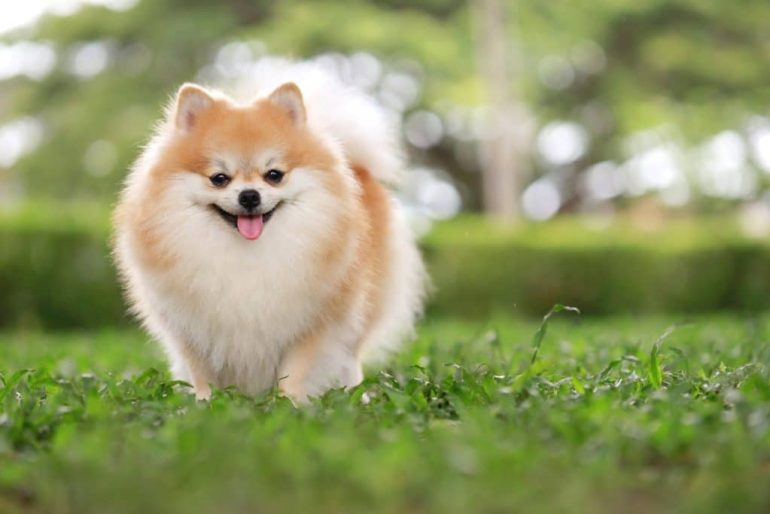
Pomeranians are one of the most loved small dog breeds in the world, and it is easy to see why. With their fluffy coats, fox-like faces, bright eyes, and confident personalities, these little dogs can quickly become the heart of any home. If you are searching for Pomeranian puppies for sale, you are probably already imagining a tiny, playful companion running around your house, curling up beside you, and bringing joy to your everyday routine.
Before choosing a puppy, however, it is important to understand the breed, what to look for in a healthy Pomeranian, and how to choose a responsible breeder or seller. Buying a puppy should never be rushed. A Pomeranian can live for many years, so the decision you make now will affect your life and your puppy’s life for a long time.
This guide will help you understand what makes Pomeranians special, how to prepare for one, and what questions to ask before purchasing a puppy.
Why Pomeranians Are So Popular
Pomeranians may be small in size, but they have big personalities. They are known for being lively, alert, affectionate, and full of confidence. Many people love them because they are compact enough for apartments and smaller homes, yet energetic enough to keep life fun and active.
Their beautiful double coat is one of their most recognizable features. Pomeranians often look like tiny balls of fluff, especially as puppies. They come in many colors, including orange, cream, black, white, blue, sable, chocolate, and parti-color. This variety makes them appealing to families and individuals looking for a puppy with a unique appearance.
Another reason people search for Pomeranian puppies for sale is their strong bond with their owners. Pomeranians usually enjoy being close to their people and often become loyal companions. They can be playful with children, affectionate with adults, and alert enough to let you know when someone is at the door.
Is a Pomeranian the Right Puppy for You?
Before buying a Pomeranian puppy, it is important to ask whether this breed fits your lifestyle. Pomeranians are small, but they still need regular care, attention, training, and exercise. They are not a breed that should be left alone for long hours every day without interaction.
Pomeranians often do well in apartments because they do not need a large yard. However, they still need daily walks, playtime, and mental stimulation. They are intelligent dogs and can become bored if they are not given enough attention.
Their small size also means they need gentle handling. Families with very young children should teach children how to safely interact with a small puppy. Rough play, accidental falls, or being stepped on can injure a tiny Pomeranian.
If you want a small companion dog that enjoys attention, play, training, and being part of the family, a Pomeranian may be a wonderful choice.
What to Look for When Searching for Pomeranian Puppies for Sale
When you begin your search, you may find many listings online. Some may look professional, while others may offer very low prices or promise rare colors. It is important to be careful. Not every seller is responsible, and not every puppy listing is trustworthy.
A healthy Pomeranian puppy should be active, alert, clean, and curious. The puppy’s eyes should be bright, the nose should be clean, and the coat should look healthy. Avoid puppies that appear weak, overly quiet, dirty, or sick.
A responsible breeder or seller should be open and honest with you. They should be willing to answer questions about the puppy’s parents, health history, vaccinations, deworming, diet, and care routine. They should also allow you to see the puppy in a safe and clean environment.
You should never feel pressured to buy immediately. A good breeder cares about where their puppies go and will usually ask you questions as well. This is a positive sign because it shows they want the puppy to go to a suitable home.
Questions to Ask Before Buying a Pomeranian Puppy
When contacting someone who has Pomeranian puppies for sale, ask clear questions before making any payment. This helps you avoid scams and gives you a better understanding of the puppy’s background.
Ask how old the puppy is. A puppy should not leave its mother too early. In most cases, puppies should be at least eight weeks old before going to a new home.
Ask whether the puppy has received vaccinations and deworming. You should request records if available. Also ask if the puppy has been checked by a veterinarian.
Ask about the parents. Knowing the size, temperament, and health of the parents can help you understand what to expect as your puppy grows.
Ask what food the puppy is currently eating. Sudden diet changes can upset a puppy’s stomach, so it is helpful to continue the same food at first and transition slowly if needed.
Ask whether there is any health guarantee or return policy. Responsible breeders usually have clear terms and want to support the puppy’s wellbeing even after the sale.
Responsible Breeders vs. Puppy Mills
One of the most important parts of buying a Pomeranian puppy is avoiding puppy mills. Puppy mills focus on producing puppies for profit, often with little concern for health, temperament, or proper care. Puppies from these places may have health or behavioral problems because they were not raised in good conditions.
A responsible breeder focuses on quality, health, and proper placement. They usually raise puppies in a clean environment, provide early socialization, and make sure puppies receive proper veterinary care.
Be cautious if a seller refuses to show you where the puppy is raised, avoids answering health questions, has many different breeds available at all times, or asks for full payment before you see the puppy. These can be warning signs.
When searching for Pomeranian puppies for sale, choosing a responsible source may cost more upfront, but it can save you from emotional and financial stress later.
Understanding Pomeranian Puppy Prices
The price of a Pomeranian puppy can vary depending on location, breeder reputation, pedigree, coat color, size, and overall quality. Some puppies may be more expensive because they come from health-tested parents or have a strong lineage.
However, price alone does not guarantee quality. A very high price does not always mean the puppy is healthier, and a very low price may be a warning sign. Instead of focusing only on cost, focus on health, care, breeder transparency, and the puppy’s living conditions.
Remember that the purchase price is only the beginning. You will also need to budget for food, grooming, vaccinations, vet visits, toys, bedding, training, and possible emergency care.
Preparing Your Home for a Pomeranian Puppy
Before bringing your puppy home, prepare a safe and comfortable space. Pomeranian puppies are tiny and curious, so puppy-proofing is important. Remove loose wires, small objects, toxic plants, and anything the puppy might chew or swallow.
Set up a cozy bed, food and water bowls, puppy pads or outdoor potty training supplies, safe toys, and grooming tools. You may also want to use a crate or playpen to create a secure area where the puppy can rest.
Pomeranians can be sensitive during the first few days in a new home. They may miss their mother and littermates. Keep the environment calm, give them time to adjust, and avoid overwhelming them with too many visitors right away.
Feeding and Nutrition
Good nutrition is essential for a growing Pomeranian puppy. Because they are small dogs, they need food that is suitable for small-breed puppies. These foods are usually designed with smaller kibble sizes and balanced nutrients for growth.
Feed your puppy according to the breeder’s or veterinarian’s recommendation. Young puppies usually need several small meals per day. Avoid giving too many treats, table scraps, or foods that are unsafe for dogs.
Fresh water should always be available. If you plan to change your puppy’s food, do it slowly over several days to reduce the chance of stomach upset.
Grooming a Pomeranian
Pomeranians have a thick double coat that needs regular grooming. Their fluffy appearance is beautiful, but it requires care. Brush your Pomeranian several times a week to prevent tangles and mats. During shedding seasons, more frequent brushing may be needed.
Bathing should be done when necessary using dog-safe shampoo. Overbathing can dry out the skin, so it is best not to bathe too often unless your puppy gets dirty.
You should also trim nails regularly, clean ears when needed, and brush your puppy’s teeth. Dental care is especially important for small breeds, as they can be prone to dental problems.
Professional grooming can help keep your Pomeranian looking neat, but regular home brushing is still important.
Training and Socialization
Pomeranians are intelligent and can learn quickly, but they also have a confident and sometimes stubborn personality. Start training early with gentle, positive methods. Reward good behavior with praise, treats, and consistency.
Potty training may take patience, especially with small breeds. Create a routine and take your puppy to the same potty area often. Praise them when they get it right.
Socialization is also important. Introduce your puppy to different sounds, people, safe places, and gentle experiences. A well-socialized Pomeranian is more likely to grow into a confident and friendly adult dog.
Avoid harsh punishment. Pomeranians respond much better to kindness, patience, and clear routines.
Common Health Considerations
Like all breeds, Pomeranians can be prone to certain health concerns. These may include dental disease, luxating patella, tracheal sensitivity, eye issues, and skin or coat problems. Not every Pomeranian will have these issues, but it is helpful to be aware of them.
Regular veterinary checkups are important. Your vet can guide you on vaccinations, parasite prevention, dental care, diet, and general health.
When looking for Pomeranian puppies for sale, ask whether the parents have been checked for common breed-related health conditions. Responsible breeders are usually willing to discuss health openly.
Red Flags to Avoid When Buying Online
Many people search online for puppies, but online listings can include scams. Be careful if a seller only communicates by text, refuses video calls, uses copied photos, offers unusually low prices, or asks for payment through unsafe methods.
Another red flag is a seller who says they can ship the puppy immediately without asking anything about you. A responsible seller wants to know where the puppy is going.
Always verify the seller before sending money. Ask for current photos, videos, vet records, and clear details. If possible, meet the puppy in person or arrange a live video call.
Final Thoughts
Searching for Pomeranian puppies for sale is exciting, but it is important to choose carefully. A puppy is not just a purchase. It is a long-term commitment that requires love, patience, care, and responsibility.
Pomeranians can make wonderful companions for the right homes. They are affectionate, playful, intelligent, and full of personality. With proper care, training, grooming, and attention, your Pomeranian puppy can grow into a happy and loyal family member.
Take your time, ask questions, avoid suspicious sellers, and choose a puppy from a responsible source. When you make the right choice, bringing home a Pomeranian can be one of the most rewarding experiences for any dog lover.