



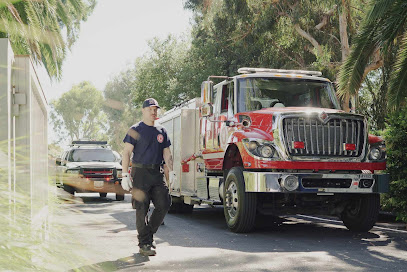
This Asset Protection Plan helps Los Angeles HOAs strengthen fire protection Los Angeles readiness using pre-incident FEMA SFHA/Zone X maps to pinpoint buildings, hydrants, staging areas, and access routes. It activates with FEMA watches or when 2 inches of rain in 24 hours is expected, then stages as river or creek levels exceed flood-stage or capacity. The first hour assigns Command, Safety, Operations, and Liaison roles, secures utilities, and controls access with gates and signage, then validates readiness via drills and KPIs, guidance follows.
Build an LA HOA Asset Protection Plan for Floods
An LA HOA asset protection plan for floods should begin with a thorough flood risk assessment that uses FEMA flood maps to locate Special Flood Hazard Areas (SFHA) and identify Zone X properties within the HOA boundaries. This step supports Flood Insurance decisions and prioritizes which buildings and amenities need the most attention. Emergency preparedness should be integrated into the plan to ensure rapid coordination during flood events.
Map HOA Flood Risks With Pre-Incident Layers
A practical way to begin mapping an LA HOA’s flood risks is to build pre-incident layers that combine FEMA flood zones with site-specific conditions, so the community can see how different flooding scenarios may affect homes, parking areas, and shared amenities.
The mapping team then adds riverine and coastal threat indicators, using recent storm outcomes, such as the January 2026 atmospheric river, to highlight neighborhood-level flood risk in low-lying zones.
Historical flood records and projected risk maps further refine where water could reach utilities, roads, and landscaping, supporting accurate mitigation planning and resource allocation.
Finally, the HOA can connect the layers to local government floodplain management plans and available funding, improving awareness of regulatory changes and options for flood-proofing and resilience strategies going forward.
When Should the Plan Activate for a Flood Event?
The Premium Asset Protection Plan should activate early enough to match the forecast, so it typically triggers when 2 inches or more of rain are expected within 24 hours. It should also stage activation when FEMA issues flood watches or warnings, or when river and creek levels are projected to exceed flood stage in known hotspots such as Malibu Creek and Tujunga Wash. If storm drains or flood control systems are reported as overwhelmed or backlogged, the HOA should move immediately from monitoring to water-level staging and resource deployment. Slope evaluation can influence how quickly flood-related risks unfold on terrain and should be considered when determining safe staging and access routes.
Trigger Timing And Thresholds
For Los Angeles HOAs, the Premium Asset Protection Plan should activate when forecasted rainfall exceeds 2 inches within a 24-hour period, since this level often signals a meaningful rise in runoff and localized flooding risk based on historical weather patterns.
Additional triggers include National Weather Service flood warnings for river corridors.
The plan team should review FEMA preliminary flood maps to identify which streets and lots lie in a Special Flood Hazard Area and to align thresholds with zone-specific risk.
Data shows properties in a Special Flood Hazard Area face about a 26% risk of flood damage during a 30-year mortgage, supporting earlier activation rather than waiting for impacts.
Using rainfall, official alerts, and mapped flood zones helps prevent delays and protects HOA assets.
Water Level Staging Activation
Water-level staging activation should begin early, when forecasted riverine flooding is expected to meet or exceed the 1% annual chance threshold, especially in areas mapped as FEMA Zone A or AE. The HOA should initiate water level staging at least 48 hours before expected flood impacts, once triggers align with localized rainfall, saturated storm drains, and creek capacity, as seen during the January 2026 storms in Malibu Creek and Tujunga Wash. Thresholds may include 6 inches in 24 hours, or rising water levels at monitoring points, triggering notifications.
| Trigger signal | Action in water level staging |
|---|---|
| Forecasted river rise to exceed 1% | Start pre-evacuation checks |
| 6 inches rain/24h | Mobilize staff and close gates |
| Monitoring point reaches set level | Issue resident alerts |
Drills confirm daily readiness.
Prioritize Water Sources: Hydrants, Tanks, and Drafting
Prioritizing water sources helps Los Angeles HOAs improve firefighting readiness, especially when conditions change during an incident and coordination with private fire departments may require clear hydrant, tank, and drafting details. The plan should map and maintain hydrants, verify clear markings, and guarantee access routes remain unobstructed, since engines depend on rapid connection.
Water tanks must be placed strategically across the community to support sustained suppression during wildfires or flooding, with levels monitored and hardware protected.
Place water tanks strategically, monitor levels, and protect equipment to sustain suppression during wildfires or flooding.
Where nearby water bodies exist, drafting points need to be identified, maintained, and kept usable for pumping operations when hydrant flow is insufficient.
Los Angeles requirements include annual hydrant testing, backed by routine inspections of valves, caps, and fittings.
HOAs should coordinate with local fire departments to confirm ideal locations using historical risk assessments and hydrant performance data throughout fire season planning.
Stage Staff Roles and Gear for the First Hour
During the first hour of a flood incident, an HOA should assign Incident Command staff to oversee operations, set priorities, and coordinate communications among staging teams. Staff members also need immediate access to stage flood response equipment, including waterproof boots, life jackets, and reliable communication devices. A staging plan that places these resources near access points supports faster deployment as conditions change, while keeping damage assessment teams ready to document impact using pre-incident maps. Public fire departments, funded by taxpayer revenue, provide broad emergency response experience and community trust that can inform coordinated public-private safety efforts during large-scale floods public fire services and help ensure equitable access to early response resources.
Assign Incident Command Staff
The HOA’s first hour of an incident should begin with a clear command structure, so decisions are fast and communication stays consistent. The Incident Commander is assigned immediately to direct actions, track priorities, and coordinate with property management and public agencies.
A Safety Officer is designated to monitor hazards, confirm PPE use, and stop unsafe work. The Operations Officer manages the flow of responders, assigns tasks by priority, and maintains incident logs.
A Liaison Officer handles updates to stakeholders, reports status, and records requests for resources. Staff receive readiness items, including PPE and communication devices, before deployment.
Personnel and supplies are directed to a staging area for rapid, organized mobilization. Regular training exercises reinforce role clarity, so command transfers and first-hour decisions remain efficient.
Stage Flood Response Equipment
A well-prepared first hour of flood response depends on clear staging and properly equipped staff positioned to act quickly. During deployment, the HOA assigns a designated Incident Commander who confirms locations, directs communication, and coordinates actions from the staging area.
Staff staging for stage flood response equipment is placed near high-risk flood zones, using pre-incident maps to confirm access roads, evacuation routes, and critical infrastructure.
Personnel bring personal flotation devices, waterproof radios, and first aid kits into this staging point, ready for immediate use. Regular drills and training familiarize teams with equipment checks, radio channels, and emergency protocols, so roles are followed under stress.
With these procedures, the first-hour team can secure utilities, guide residents to safer ground, and support crews without delay.
Control Access With Gates, Signage, and Routes
Strategic control of access through gates, clearly posted signage, and planned routes can meaningfully deter unauthorized entry while supporting safer emergency operations for Los Angeles HOAs.
Gates at community entrances help manage traffic flow during flood events, limiting random vehicle intrusion and keeping lanes open for emergency responders.
Signage should identify entry points, restricted areas, and directions to safe zones, using consistent wording and reflectivity for low-light conditions.
Emergency routes must be marked and remain unobstructed, guiding residents to evacuation paths and nearby staging areas.
Because flood conditions can hide hazards, access routes require ongoing maintenance, including debris clearing, vegetation control, and regular signage visibility checks.
When controls are standardized, access decisions improve, and response times can stabilize even when conditions change rapidly on-site.
Measure Readiness With Drills, KPIs, and Budget Updates
Regular readiness efforts help Los Angeles HOAs reduce confusion during flood events, and they should be reinforced through drills that simulate real-life scenarios. During these sessions, residents practice using pre-incident flood maps, follow evacuation routes, and respond to staged alerts about flood damage. The program benefits from incorporating forest fire safety principles and cross-agency collaboration to improve overall incident response forest fire safety and coordination with local emergency services.
Wrapping It Up
A strong Los Angeles HOA asset protection plan turns preparation into action, before water becomes a problem. With pre-incident flood maps, clear activation triggers, and staged roles for the first hour, response is measured and repeatable. Prioritizing hydrants, tanks, and drafting, while controlling access through routes and signage, reduces confusion and delays. Regular drills, tracked KPIs, and timely budget updates help the association stay ready, not surprised.