



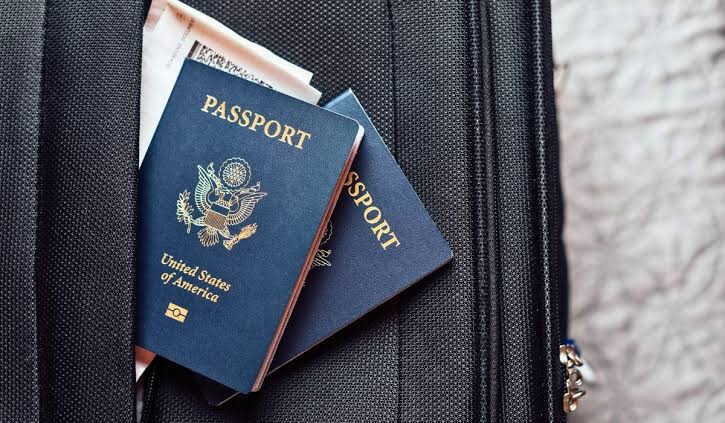
Airlines and border officials operate on documentation, not intention. However well-planned a trip is, a missing entry stamp requirement or an expired page can end it at the departure gate.
The good news is that document preparation follows a predictable rhythm. Work backwards from your departure date and almost everything falls into place without drama.
Start With Passport Validity — and Read the Fine Print
Check the expiry date first, but don’t stop there.
Many countries enforce a six-month validity rule: your passport must remain valid for at least six months beyond your intended date of departure from that country. Thailand, the UAE, Turkey, Egypt, Indonesia, and much of Southeast Asia apply it strictly. Airlines enforce it on the carrier’s behalf, so you can be refused boarding before you ever reach an immigration desk.
A second, less-known requirement is blank pages. Some destinations demand two consecutive blank visa pages, and a well-travelled passport can run out sooner than you’d expect.
If either condition is tight, start a passport renewal immediately. Standard processing in most countries runs four to eight weeks, and expedited service is neither guaranteed nor cheap.
Understand What Kind of Entry Permission You Need
“Visa requirements” is a broader category than it used to be. Depending on your nationality and destination, you may need:
- A traditional visa, applied for in advance through a consulate or online portal
- An electronic travel authorisation — ESTA for the US, eTA for Canada, and ETIAS for the Schengen Area
- A visa on arrival, which still often requires documents and photos in hand
- Nothing at all, under a reciprocal visa-waiver arrangement
Check the destination government’s own immigration site rather than a travel blog. Rules shift, and third-party summaries lag behind.
Sort Out Photos Early
Most visa applications, and every passport renewal, require a compliant photograph. This is worth handling before you start filling in forms, because a rejected image restarts the clock on the entire application.
Requirements are not universal. The United States uses a 2×2 inch square; most of Europe and much of Asia use 35mm by 45mm. Head height, background colour, expression rules, and file size all vary by country.
Services such as 2x2PassportPhoto let travellers produce a correctly sized image from a photo taken at home, formatted to the specification of the country being applied to. For anyone applying for multiple visas in a single trip-planning cycle — which is common for students and long-haul travellers — being able to reformat one good photo to several standards saves a fair amount of running around.
Whatever route you choose, keep the digital original. Online forms and in-person counters increasingly want both.
Assemble the Supporting Paperwork
Visa applications rarely fail on the form itself. They fail on the attachments.
Typical requirements include:
- Proof of onward or return travel
- Confirmed accommodation for the full duration of stay
- Bank statements covering the last three to six months
- A letter of employment or enrolment
- Travel insurance meeting a minimum coverage threshold — the Schengen Area requires €30,000
Gather these in one folder, named clearly, before you begin any application. Assembling them mid-form is how people miss deadlines.
Build Redundancy Into Your Copies
Losing a passport abroad is an administrative problem if you’re prepared and a serious one if you’re not.
A workable system:
- Photograph the passport biodata page, any visas, and your insurance certificate
- Store copies in encrypted cloud storage you can reach from any device
- Email a set to yourself and to someone at home
- Carry one printed copy separately from the passport itself
Embassies can issue emergency travel documents far more quickly when you can produce your passport number and issue date on the spot.
A Working Timeline
- Three to six months out: confirm passport validity and blank pages; renew if needed
- Two to three months out: confirm visa requirements; take and format photos
- Six to eight weeks out: submit visa applications and buy travel insurance
- Two weeks out: print confirmations, make document copies, check entry rules again
- The day before: verify the passport is physically in your bag
Check Once More Before You Leave
Entry requirements can change between the day you book and the day you fly — health declarations and digital arrival cards have appeared and disappeared repeatedly in recent years. A five-minute check of the destination’s official immigration page the week before departure catches anything new.
Documents are the least interesting part of travel and the part most likely to stop it. Handle them early, and the rest of the trip is yours.